
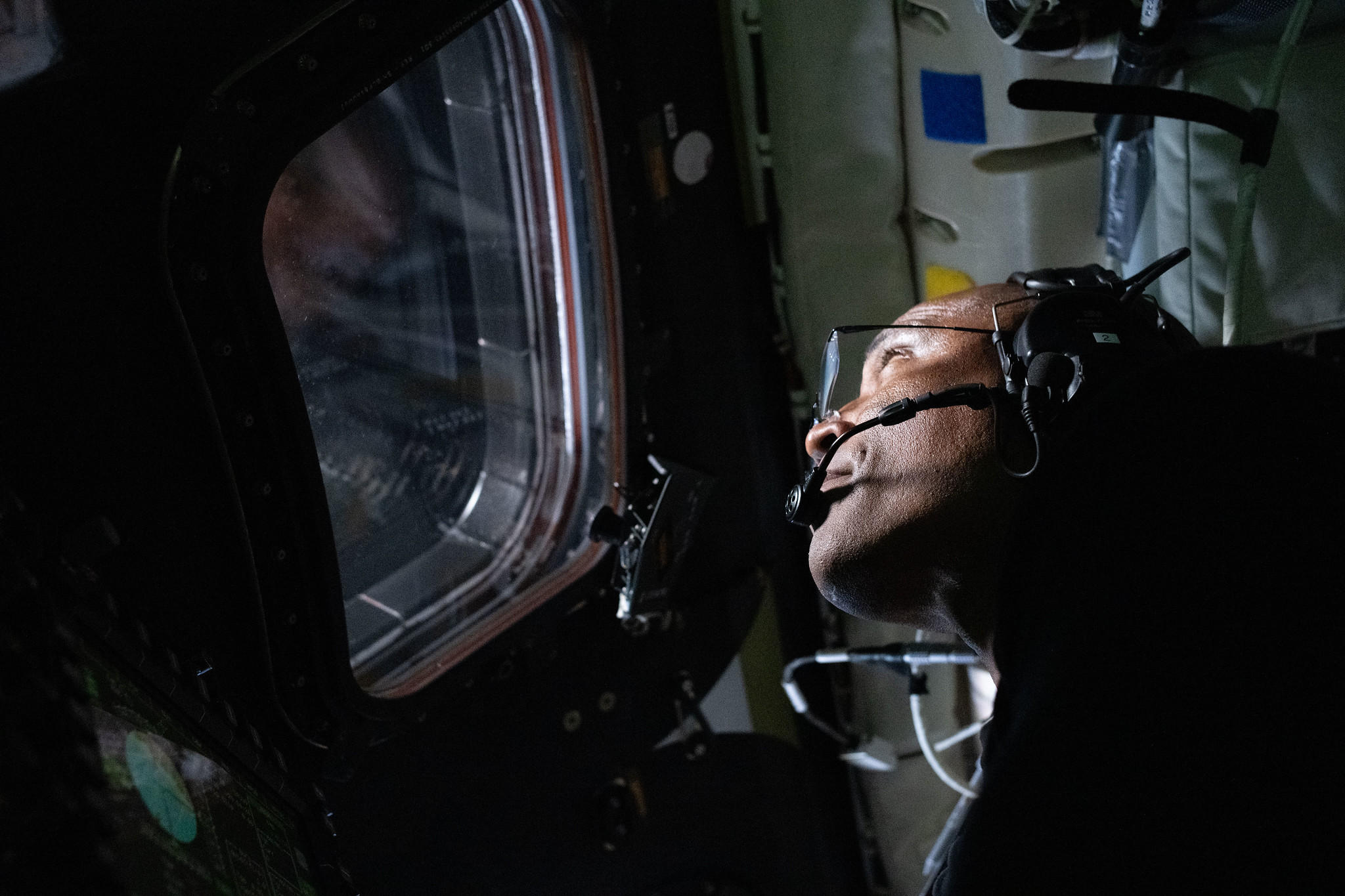
Victor Glover, pilot of the upcoming Artemis 2 mission, argued in July that NASA should prioritize crewed lunar landings at equatorial sites before attempting landings at the lunar south pole. Speaking at the NASA Exploration Science Forum at Ames Research Center, Glover advocated for a stepwise approach modeled on test flight programs, starting in familiar terrain similar to Apollo landing zones rather than the more challenging polar region currently targeted for early Artemis missions.
Glover cited operational constraints as his main concern. Landings at the lunar south pole using a near-rectilinear halo orbit would require astronauts to remain on the surface for up to a week before orbital mechanics allowed their departure. He stressed that medical emergencies would become critical problems under those constraints, using a ruptured appendix as an example. Equatorial sites offer direct access and quicker return windows, reducing risk exposure during missions.
The lunar south pole has been NASA's target partly because of potential water ice in permanently shadowed craters, but landing there presents hazards beyond logistics. The low sun angle casts long shadows that complicate landing operations and surface navigation. Glover argued that building experience at equatorial sites first would allow NASA to incrementally accept and retire risk before attempting the more demanding polar missions, particularly Artemis 4 and 5.
NASA has already shifted its approach for initial crewed landings. The agency announced it will no longer pursue the lunar Gateway and has opened performance specifications to allow alternative orbits and approaches. SpaceX's revised Starship plan, for example, involves docking with Orion in low Earth orbit and entering low lunar orbit rather than a near-rectilinear halo orbit. Jacob Bleacher, NASA's chief exploration scientist, said specific landing locations for early missions remain flexible pending lander capability assessments. Glover acknowledged his preference represents a personal view that has not gained traction internally.