NASA hybrid-electric engine completes first public flight demonstration at Farnborough
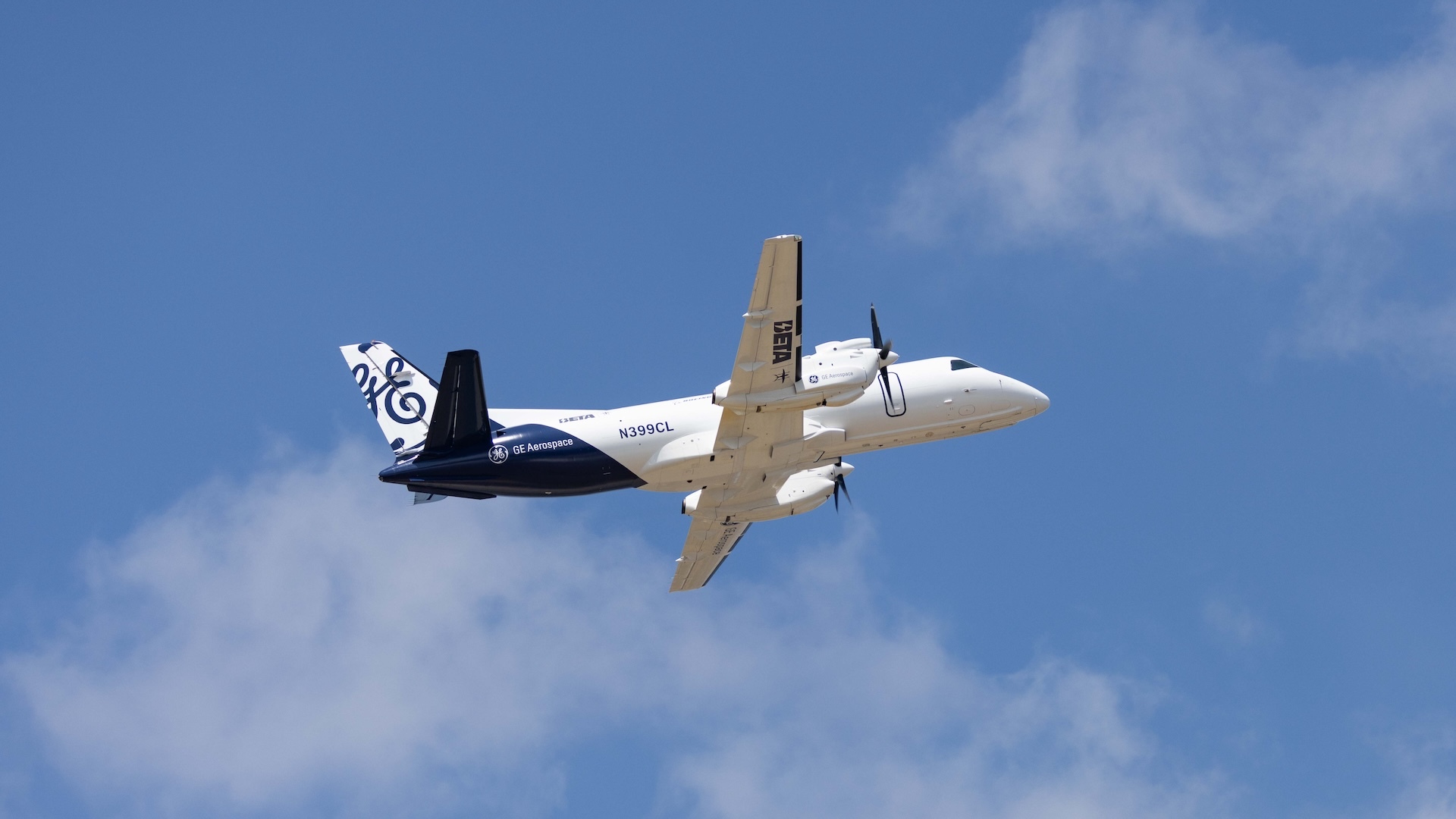
A megawatt-class hybrid-electric engine developed jointly by NASA and GE Aerospace completed a demonstration flight on a modified Saab 340B aircraft at the Farnborough International Air Show in the United Kingdom. The engine, which integrates electric motors, a gas turbine, and energy storage, marks a public milestone for technology that recently achieved the first hybrid electric-powered flight above 30,000 feet. The system was designed to power regional-class aircraft while reducing fuel burn and operating costs without compromising performance. The achievement culminates more than 15 years of NASA research, beginning with preliminary work about a decade ago when hybrid propulsion for large aircraft remained largely theoretical. NASA spent seven years on foundational research before launching the Electrified Powertrain Flight Demonstration project with GE Aerospace and partner companies. The collaboration addressed major engineering barriers including battery technology, thermal management, power integration, and component miniaturization across multiple NASA centers and test facilities. Ground testing proved critical to the program's progress. In 2022, the team tested an integrated version of the propulsion system at NASA's Electric Aircraft Testbed in Sandusky, Ohio, simulating conditions at 45,000 feet -- the altitude range for commercial single-aisle aircraft. Subsequent testing added electric motors, power converters, propellers, and a GE Aerospace commercial engine before advancing to flight trials. The demonstration flight validates years of collaborative research supported through NASA's Subsonic Vehicle Technologies and Tools project and the Aeronautics Division. The engine's technology and designs are expected to inform development of future hybrid systems that could lower airline operating costs and reduce energy consumption across the commercial aviation sector.