
ISSISS position · liveNORAD 25544

Editorial archive

News

Launches, LEO services, satellite operations, space policy, and tracking — with visible sources and freshness.

James Webb maps gas filaments feeding supermassive black hole in NGC 4696
Satellite Ops2 min

James Webb maps gas filaments feeding supermassive black hole in NGC 4696

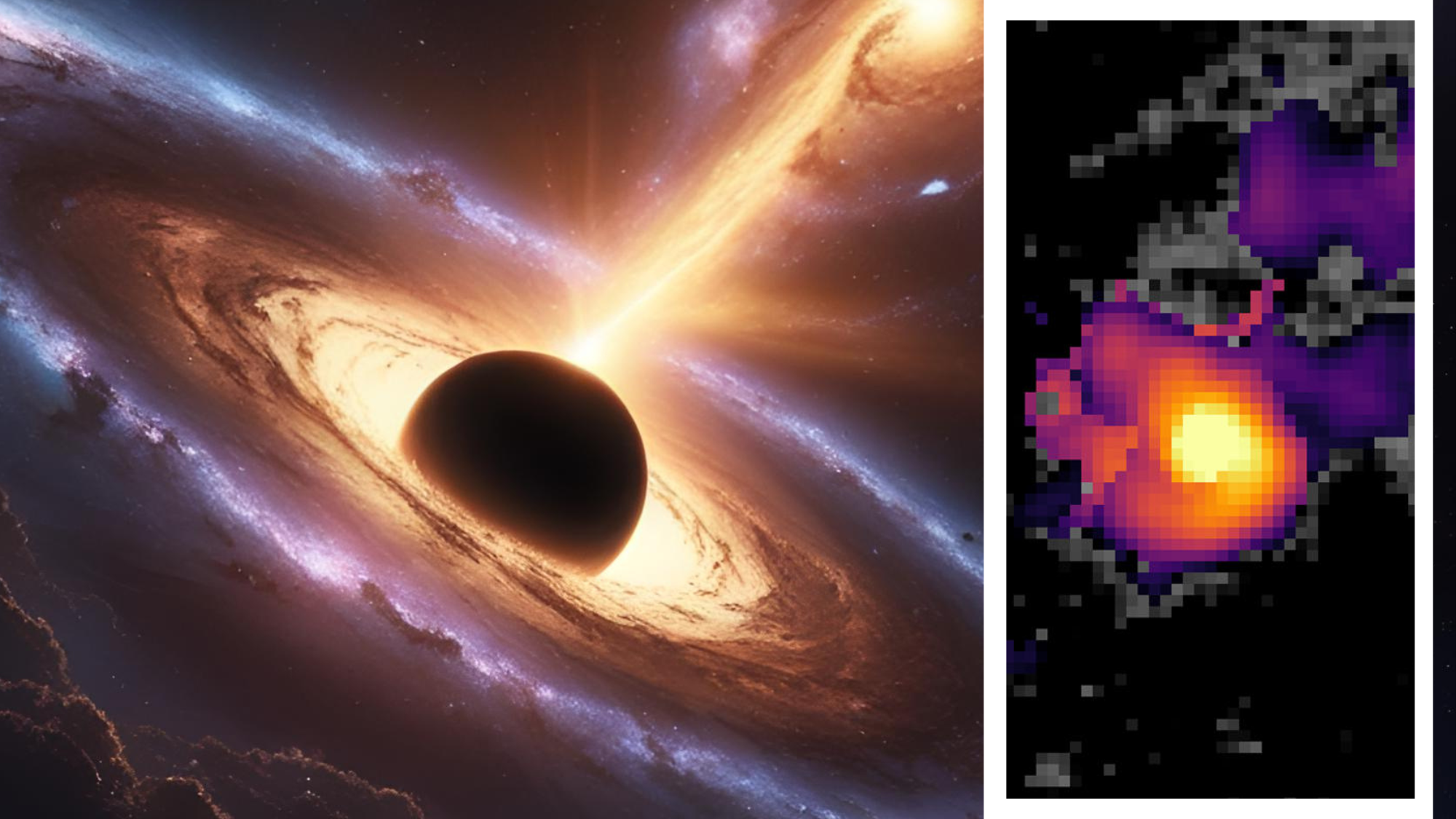
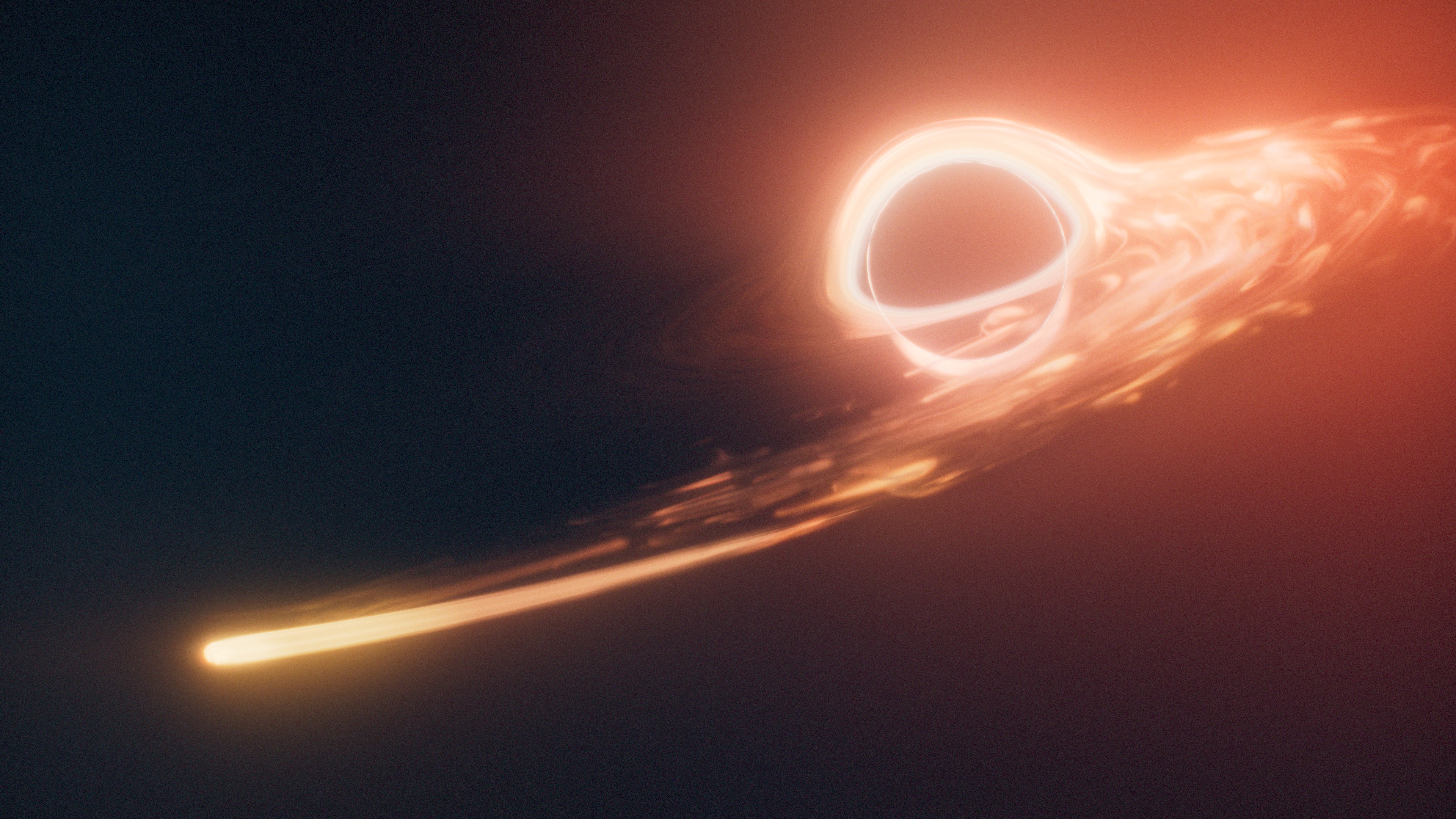
The James Webb Space Telescope has observed gas filaments feeding a supermassive black hole at the center of NGC 4696, a galaxy 145 million light-years away in the Centaurus Cluster. The finding provides observational evidence for a long-proposed cycle in which black holes expel matter through jets, starving themselves, but then allow that gas to cool and fall back inward to restart feeding. This mechanism could explain how supermassive black holes grew so rapidly in the early universe, a puzzle that has troubled astronomers because standard growth timescales should take at least 1 billion years -- far longer than the universe's age when JWST detects them. The JWST revealed a hook-shaped swirl of gas roughly 800 light-years wide moving at speeds around 1.3 million miles per hour near NGC 4696's central black hole. This structure appears connected to a vast filament of material flowing inward toward the black hole. Computer simulations matched the observed gas dynamics, supporting the theory that filaments funnel material down into an accretion disk that feeds the black hole. The proposed cycle operates as self-regulation: black holes release energy that heats their surroundings, but the same gas eventually cools into thin filaments spanning thousands of light-years. These filaments fall back toward the galactic center and reform an accretion disk, restarting the feeding phase. The jets then fire again, ejecting matter and halting accretion, completing the loop. The research, published July 16 in the Astrophysical Journal Letters, marks the first direct observational confirmation of these filamentary gas flows feeding a supermassive black hole. Earlier Hubble observations had spotted the hook-shaped gas feature in NGC 4696, but JWST's infrared sensitivity provided the detailed mapping needed to trace the connection to the infall filament. The findings help explain how the universe's earliest supermassive black holes achieved such massive scales.
Hayabusa2 flew within 800 meters of asteroid Torifune after heated team debate
Satellite Ops2 min

Hayabusa2 flew within 800 meters of asteroid Torifune after heated team debate

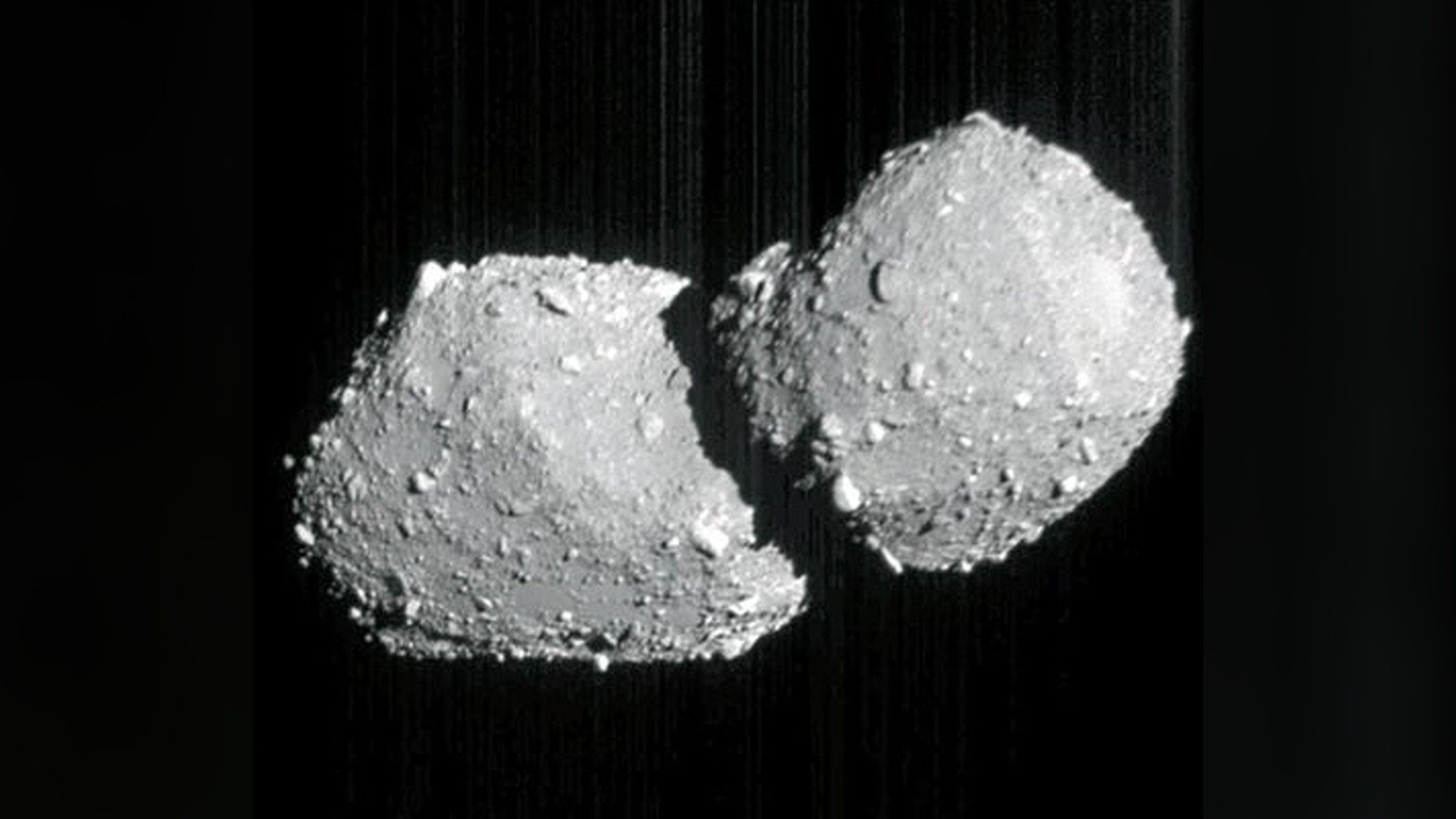
Japan's Hayabusa2 spacecraft completed a risky close flyby of the near-Earth asteroid Torifune on July 5, returning high-resolution images that revealed the target to be a contact binary -- two rocky bodies held together by gravity. The flyby required months of tense negotiation between JAXA's science and engineering teams over how close the aging spacecraft could safely approach. The final decision to pass within 800 meters of the asteroid's center alarmed some scientists, but the mission succeeded and delivered data from all four of Hayabusa2's science instruments, making it a significant technology demonstration for planetary defense work. The spacecraft, which launched in 2014 and completed its primary mission collecting samples from asteroid Ryugu in 2020, was not originally designed for high-speed flybys. Standard asteroid flybys occur at distances of 100 kilometers, but at that range Hayabusa2's cameras could barely resolve Torifune's shape. Engineers initially proposed 10 kilometers, then confirmed they could reach 1 kilometer. One month before the flyby, mission leader Yuya Mimasu proposed going to 800 meters, triggering heated debate over the unknown size of the target and the risk to the spacecraft. Hayabusa2's navigation team accounted for substantial uncertainties: ground-based observations suggested a worst-case asteroid size of 1,400 by 400 meters, and the spacecraft's targeting error margin was around 200 meters. The spacecraft's optics had also degraded from dust acquired during sampling at Ryugu. To manage these risks, the team developed new onboard guidance software and switched from ground-based navigation to autonomous targeting in the final three hours before closest approach. The Thermal Infrared Imager captured nine seconds of thermal data just before closest approach, confirming the contact binary structure independently of the optical images. Most of the 300 megabytes of science data collected during the flyby remains aboard Hayabusa2 and will not reach Earth for months. The spacecraft restarted its ion engines on July 9 and will fire them for roughly four months to begin the cruise toward Earth flybys scheduled for 2027 and 2028. Beyond this extended mission, Hayabusa2 is headed toward a rendezvous with the tiny asteroid 1998 KY26 in
Space Force raises NSSL Phase 3 Lane 1 contract ceiling to $17 billion
LEO Services1 min

Space Force raises NSSL Phase 3 Lane 1 contract ceiling to $17 billion

The U.S. Space Force raised the spending ceiling for its National Security Space Launch Phase 3 Lane 1 contract from $5.6 billion to $17 billion, more than tripling the original limit through fiscal 2029. The increase reflects surging demand for military satellite launches and expands the pool of companies eligible to compete for national security missions. Seven providers -- SpaceX, United Launch Alliance, Blue Origin, Rocket Lab, Stoke Space, Impulse Space, and Relativity Space -- can now bid on individual task orders within the higher contract ceiling. Lane 1 handles missions that don't require full certification, creating a pathway for newer launch providers to enter the national security market once their vehicles reach sufficient readiness. The higher ceiling follows a separate April announcement that the Space Force identified 25 additional high-priority Lane 2 missions beyond the 54 launches originally planned over five years, indicating the military's overall launch requirements have expanded substantially since the Phase 3 strategy was finalized in 2024.

RV-X completes first test hop, Japan advances reusable rocket development
Satellite Ops1 min

RV-X completes first test hop, Japan advances reusable rocket development

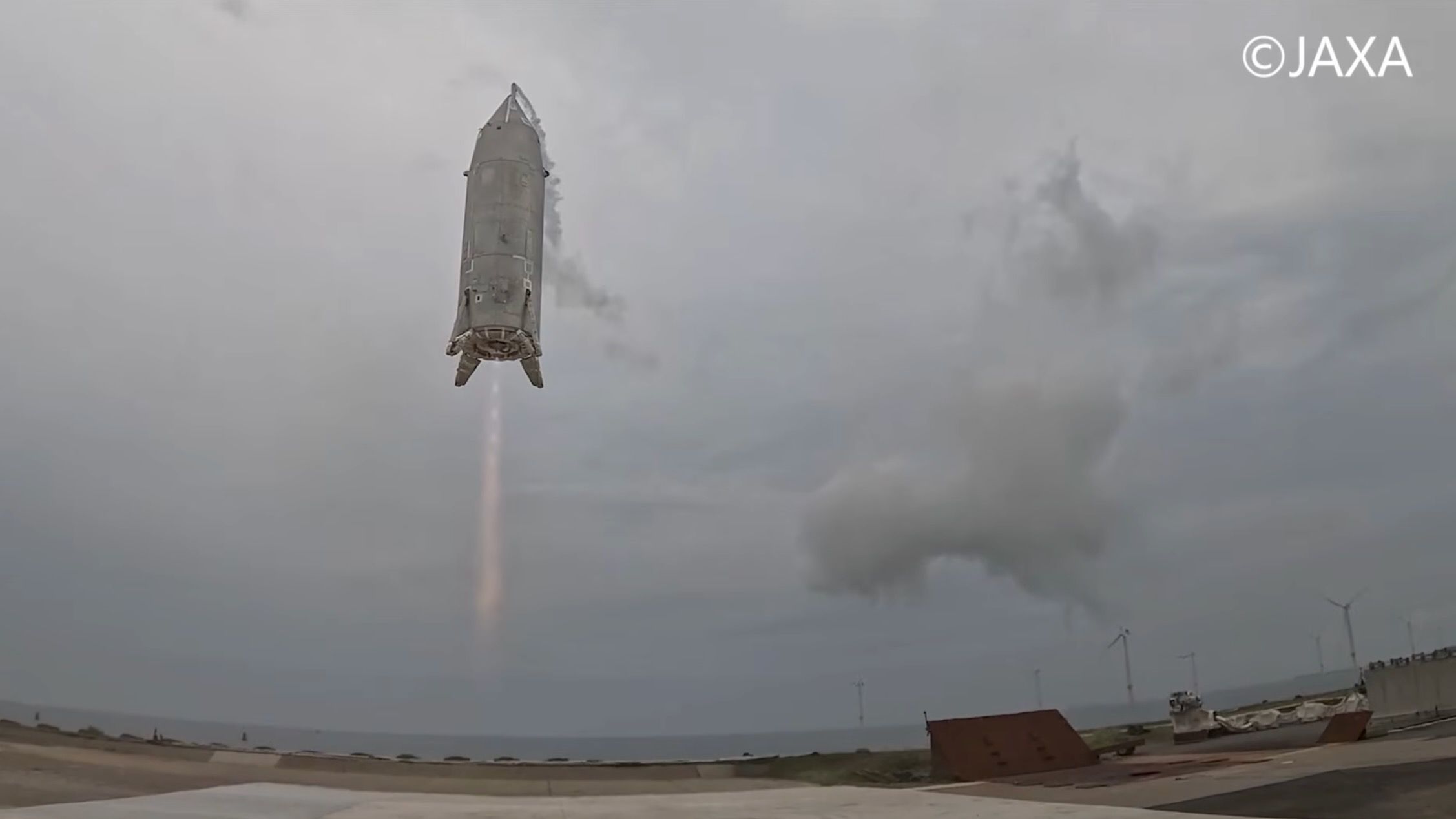
Japan completed the first flight test of its RV-X experimental reusable rocket prototype on July 11 at JAXA's Noshiro facility. The 24-foot-tall vehicle, developed jointly by JAXA and Mitsubishi Heavy Industries, rose about 33 feet and traveled roughly 50 feet horizontally before landing softly on its concrete pad in a 40-second test. The success marks progress toward a capability only a handful of orbital rockets have demonstrated: vertical launch and landing for reuse. RV-X serves as a pathfinder for CALLISTO, a three-nation project involving JAXA, France's CNES, and Germany's DLR to build a single-stage reusable rocket. Japan's current flagship H3, introduced in 2023, lacks reusability and lags in cost-effectiveness compared to advanced reusable stages, making RV-X's development critical to JAXA's long-term launch service goals. The next test flight will push the vehicle to 330 feet in altitude while adding a lateral crossover and hover maneuver, following a development path similar to SpaceX's early Starship hopper tests.

Pentagon invests $7.1 million to boost U.S. satellite cover glass production
LEO Services1 min

Pentagon invests $7.1 million to boost U.S. satellite cover glass production

The Pentagon awarded $7.1 million to Martin Materials Solutions under the Defense Production Act to expand U.S. manufacturing of cover glass for satellite solar cells. Cover glass is a specialized radiation-resistant material that protects photovoltaic cells on spacecraft, filtering damaging light and shielding against radiation and micrometeorites. The investment reflects Pentagon concern about supply vulnerabilities in components needed for military and commercial spacecraft, with Martin Materials being one of a limited number of U.S.-based companies supplying this material. The funding will establish and scale production at Martin Materials' facility in Twinsburg, Ohio. The award comes under Title III of the Defense Production Act, which allows direct federal investment in domestic production capacity for materials deemed essential to national defense. The company also produces thermal-control mirror glass for satellites, and the expansion appears aimed at reducing reliance on a constrained group of domestic and foreign suppliers.

NASA terminates Draper lunar lander mission due to design delays, 2030 landing timeline
LEO Services1 min

NASA terminates Draper lunar lander mission due to design delays, 2030 landing timeline

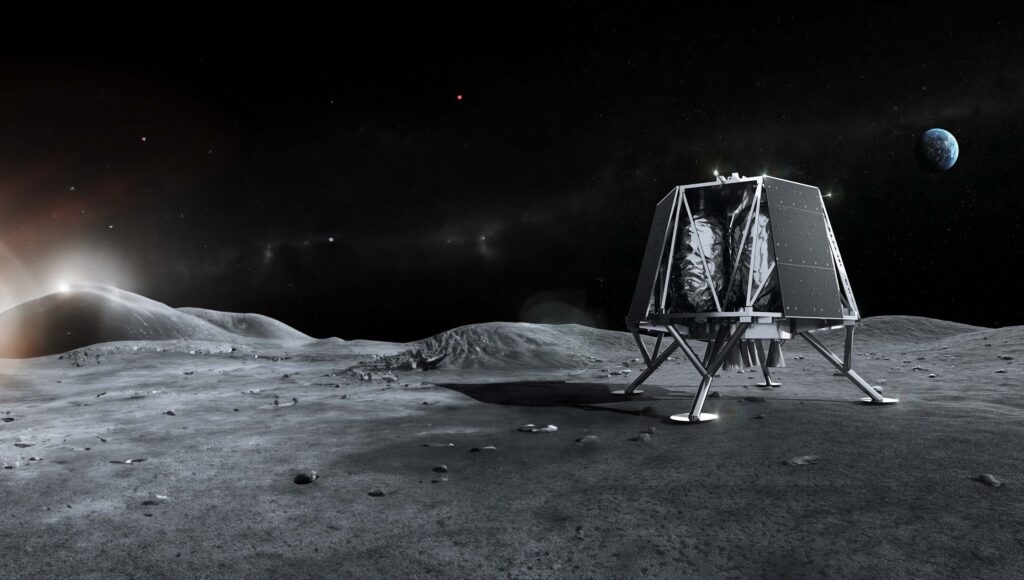
NASA and Draper have terminated a Commercial Lunar Payload Services task order valued at $73 million after repeated delays pushed the mission's landing date to 2030 or 2031. The CP-12 mission was to deliver three science instruments to the moon's far side, including seismometers for the Farside Seismic Suite and thermal and electromagnetic measurement equipment. ispace-U.S., the American subsidiary of Japanese lunar lander developer ispace, was the primary contractor building the lander and confirmed the cancellation after NASA ended the task order due to lander redesign delays. NASA awarded the task order in July 2022 with an original 2025 launch target, but the date slipped repeatedly as ispace-U.S. revised the lander design to fit NASA's payloads and changed engines twice -- most recently in May 2025. The agency paid $43 million of the $73 million contract value to Draper before termination. NASA stated it remains committed to flying the three science instruments on future CLPS landings through its Moon Base and Artemis programs. ispace said it plans to pursue business under the newer CLPS 2.0 contract vehicle for advanced lander missions.

Skyroot Aerospace's Vikram-1 reaches orbit on India's first private launch
Satellite Ops1 min

Skyroot Aerospace's Vikram-1 reaches orbit on India's first private launch

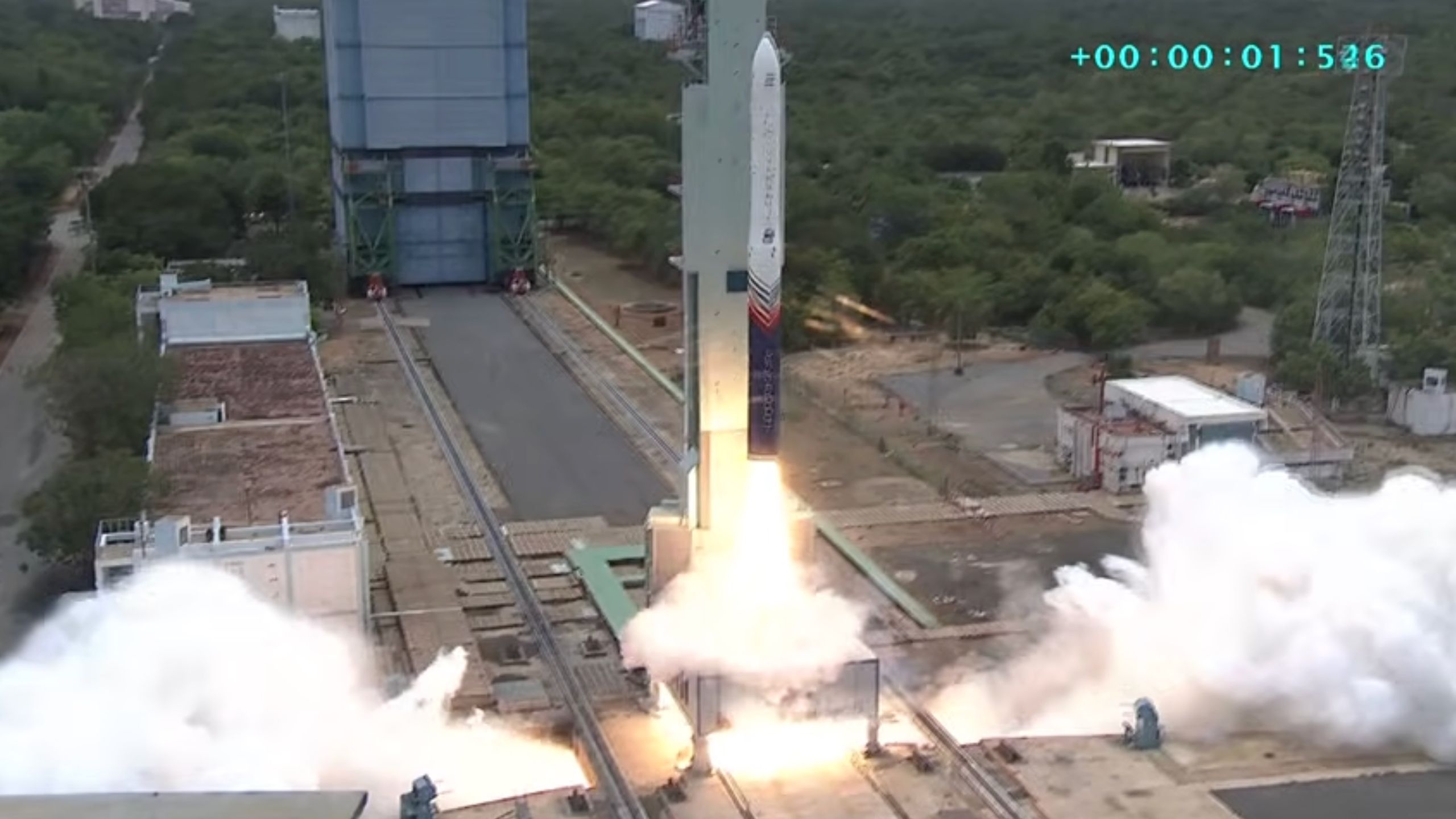
Skyroot Aerospace successfully launched its Vikram-1 orbital rocket from Sriharikota on July 18, reaching low Earth orbit and making India the third country to demonstrate private orbital launch capability after the U.S. and China. The four-stage rocket lifted off at 2:35 a.m. EDT and completed its test flight, called Aagaman, in just 17 minutes. Skyroot, founded in 2018 by former Indian Space Research Organisation employees, previously made history with its Vikram-S suborbital rocket in 2022; this orbital success marks the company's next major step toward serving the small-satellite launch market. Vikram-1 can carry roughly 350 kilograms to LEO and deployed multiple payloads at 450 kilometers altitude during the mission, including technology demonstrations from German and Indian companies, a space debris-capture robotic arm, and Skyroot's own performance-monitoring satellite. The rocket performed nominally throughout the flight, deploying payloads on schedule. Company leadership argues the small-satellite launch market faces supply constraints while demand for satellite services continues to grow, positioning Skyroot to capture that opportunity as India's private space sector expands.

New Horizons images reveal active landslides on Pluto's surface
Satellite Ops1 min

New Horizons images reveal active landslides on Pluto's surface

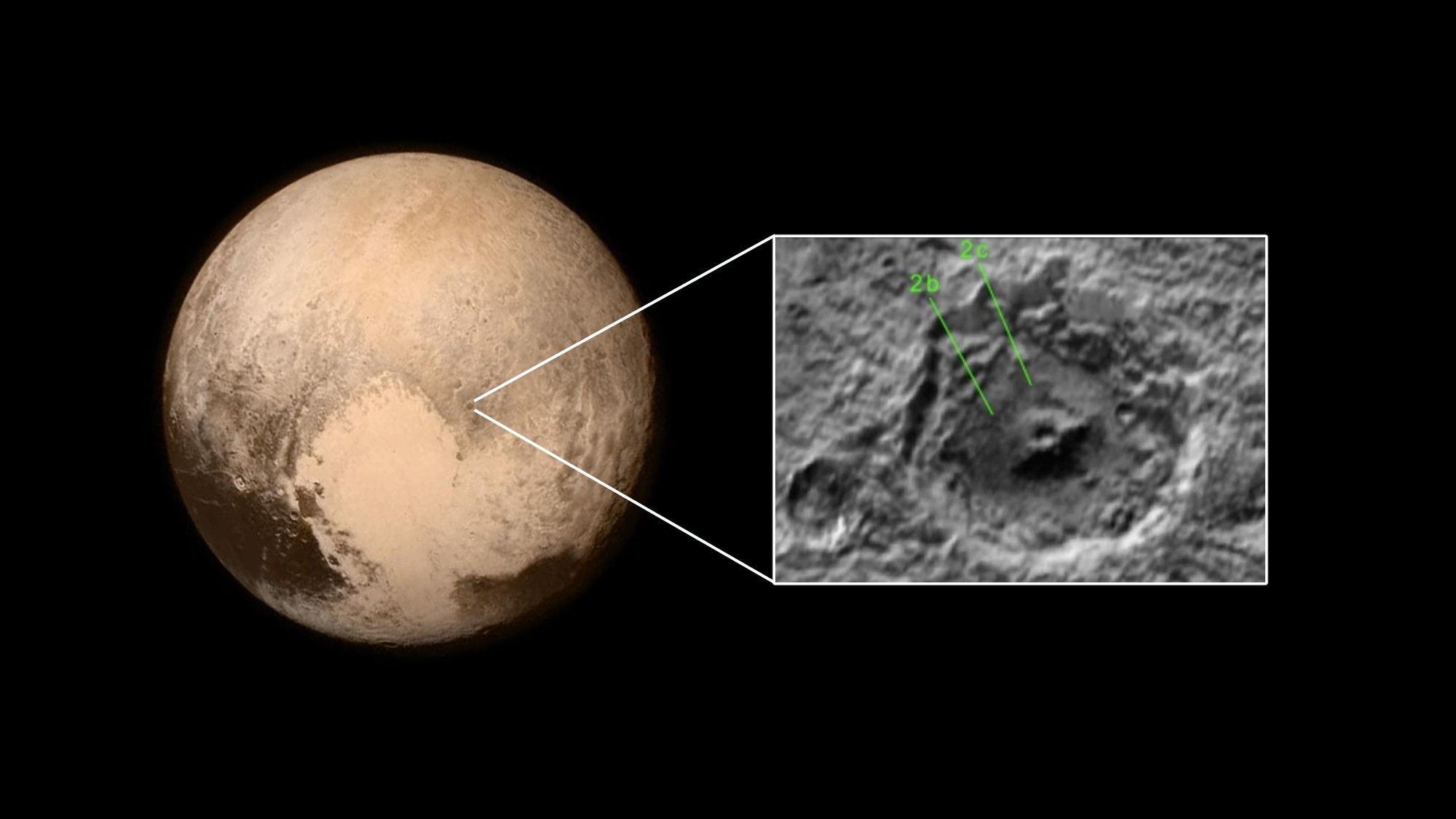
A team of geologists led by Marco Emanuele Discenza analyzed images from the New Horizons flyby of Pluto in 2015 and identified six landslides on the dwarf planet's surface, marking the first time such features have been confirmed there. The landslides occur along the inner walls of three craters near Sputnik Planitia and traveled between 6 to 9 miles across crater floors, with debris aprons as large as 50 square kilometers. The discovery indicates that Pluto remains geologically active, despite its distance from the sun. The landslides on Pluto are among the most mobile in the solar system, a result of the dwarf planet's low gravity and low-friction icy terrain. One slide in Coughlin crater dropped 1.4 miles and may have been triggered by a nearby impact, but the origins of the other five remain uncertain -- thermal stress from Pluto's orbital variations, which cause surface volatiles like nitrogen and methane to sublimate and condense cyclically, is a leading hypothesis. New Horizons' limited coverage during its 2015 encounter means additional landslides likely exist but cannot be confirmed without more detailed imagery. The findings appear in the journal Icarus.

Starship Flight 13 scheduled for July 20 launch from Texas
Satellite Ops1 min

Starship Flight 13 scheduled for July 20 launch from Texas

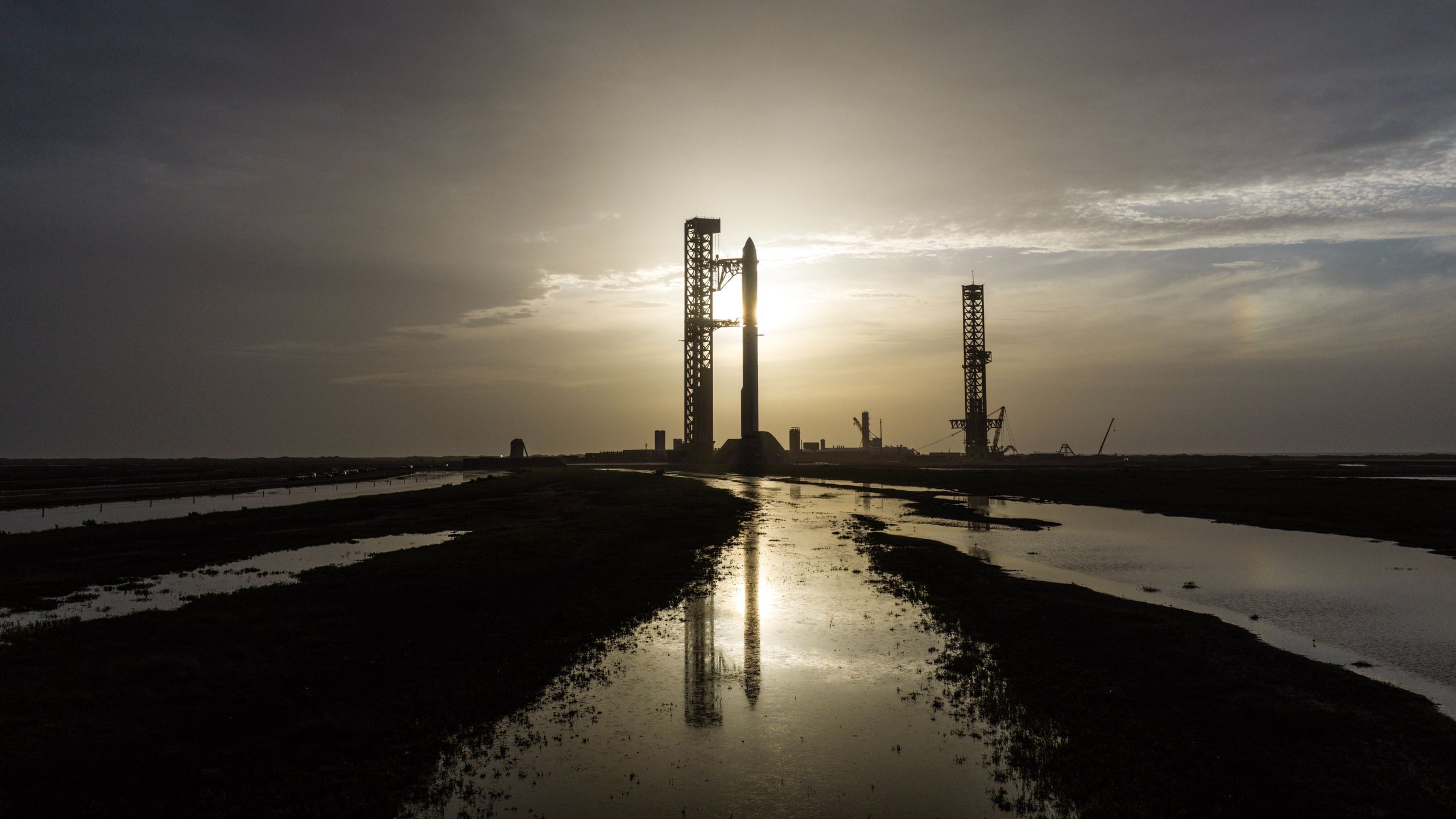
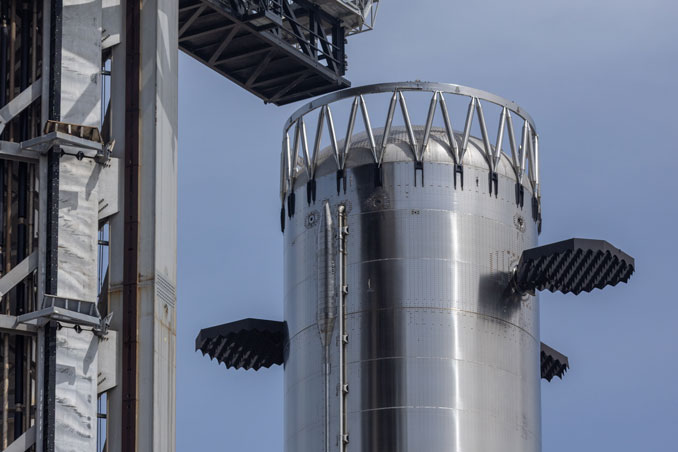
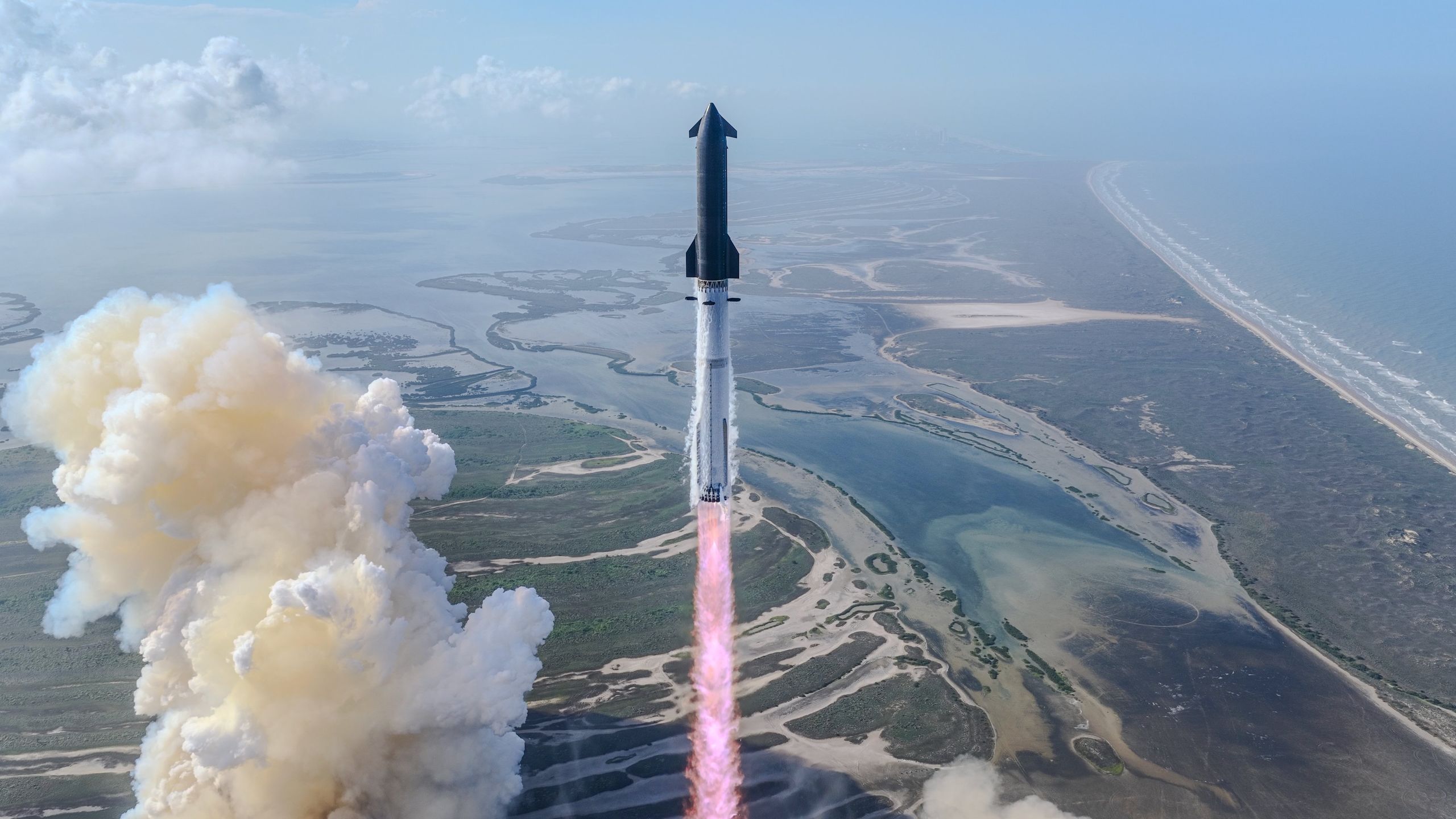
SpaceX will launch Starship Flight 13 on Monday, July 20, from its South Texas Starbase during a 90-minute window opening at 6:45 p.m. EDT. The megarocket, standing over 400 feet tall, will be the second Starship V3 test flight and marks the 13th overall flight of the world's largest and most powerful rocket. Flight 13 focuses on similar objectives to the previous May test -- deploying payloads to suborbital space and recovering both the Super Heavy booster and Ship upper stage -- but with refinements to address hardware and software issues from Flight 12. The key difference this time: Ship will deploy 20 next-generation Starlink V3 satellites designed to greatly expand network capacity and speeds. Six of those satellites carry cameras to image Ship's heat-shield tiles, feeding data SpaceX needs before attempting its first-ever chopsticks catch of the upper stage. Super Heavy will target a controlled splashdown in the Gulf of Mexico about seven minutes after launch, while Ship aims for the Indian Ocean off Western Australia roughly 65 minutes later. The V3 satellites will demise upon reentry about 20 minutes after deployment.

NASA's SWEET-15 truss-braced wing passes structural testing, fails at 127% design load
Space Policy1 min

NASA's SWEET-15 truss-braced wing passes structural testing, fails at 127% design load

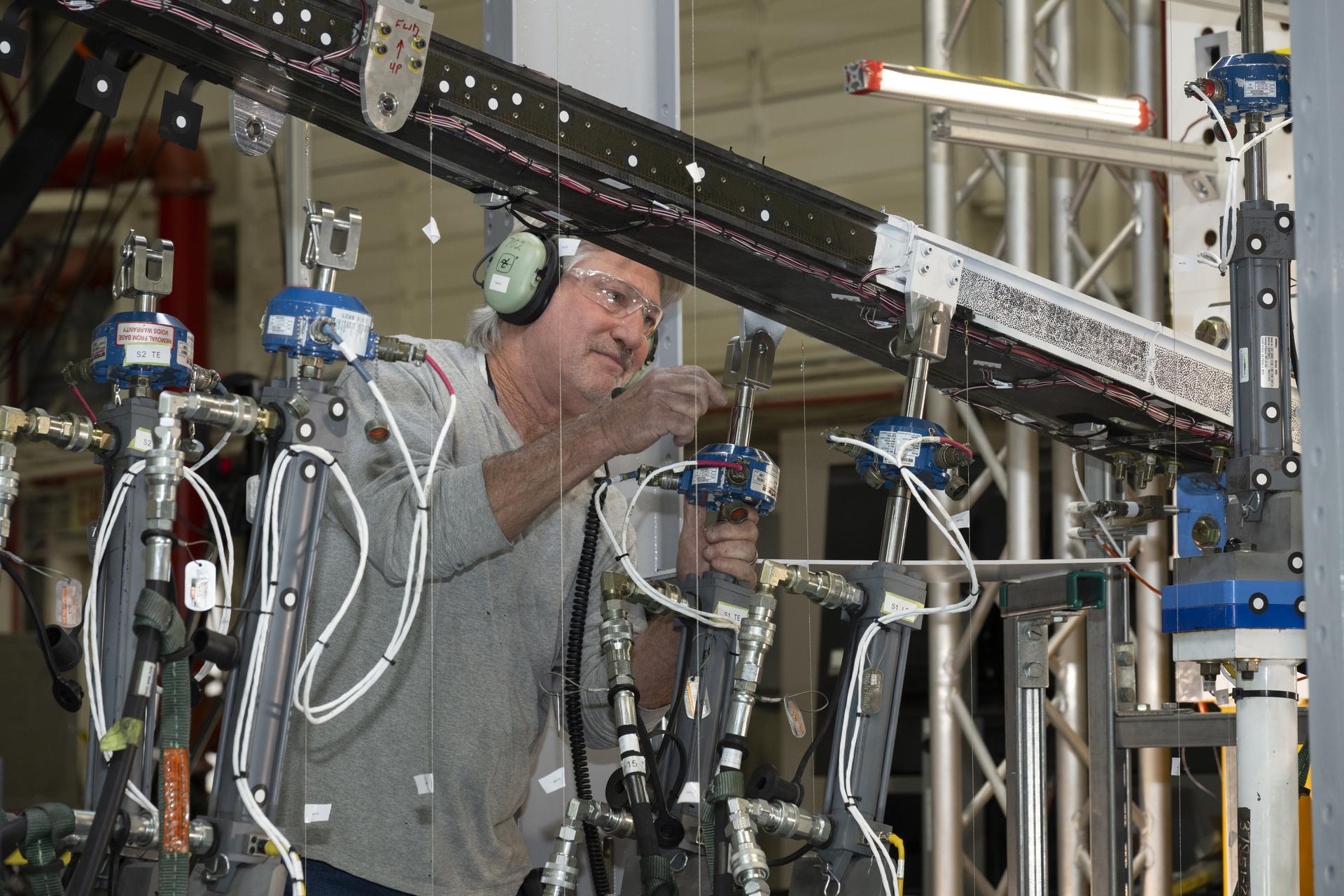
NASA researchers completed structural testing of SWEET-15, a 15-foot composite wing featuring a truss-braced design intended for future fuel-efficient aircraft. The wing successfully withstood expected in-flight loads during months of controlled testing at NASA's Armstrong Flight Research Center, with strain sensors confirming predictions from computer models. Engineers then deliberately pushed the wing beyond its design limits to failure, which occurred at roughly 127% of the maximum expected load, providing critical data on how joints connecting the wing to its support struts perform under extreme stress. The wing design combines five advanced composite manufacturing technologies developed at NASA's Langley Research Center, including robotic assembly methods aimed at producing lighter and stronger structures. The test-to-failure phase marked the first time a representative composite truss-braced wing configuration underwent this type of evaluation, offering insights that will inform future airframe designs under NASA's Subsonic Flight Demonstrator project. Researchers are now analyzing the collected data to support development of more efficient aviation technologies.

Mauritius becomes 70th nation to sign Artemis Accords
Space Policy1 min

Mauritius becomes 70th nation to sign Artemis Accords

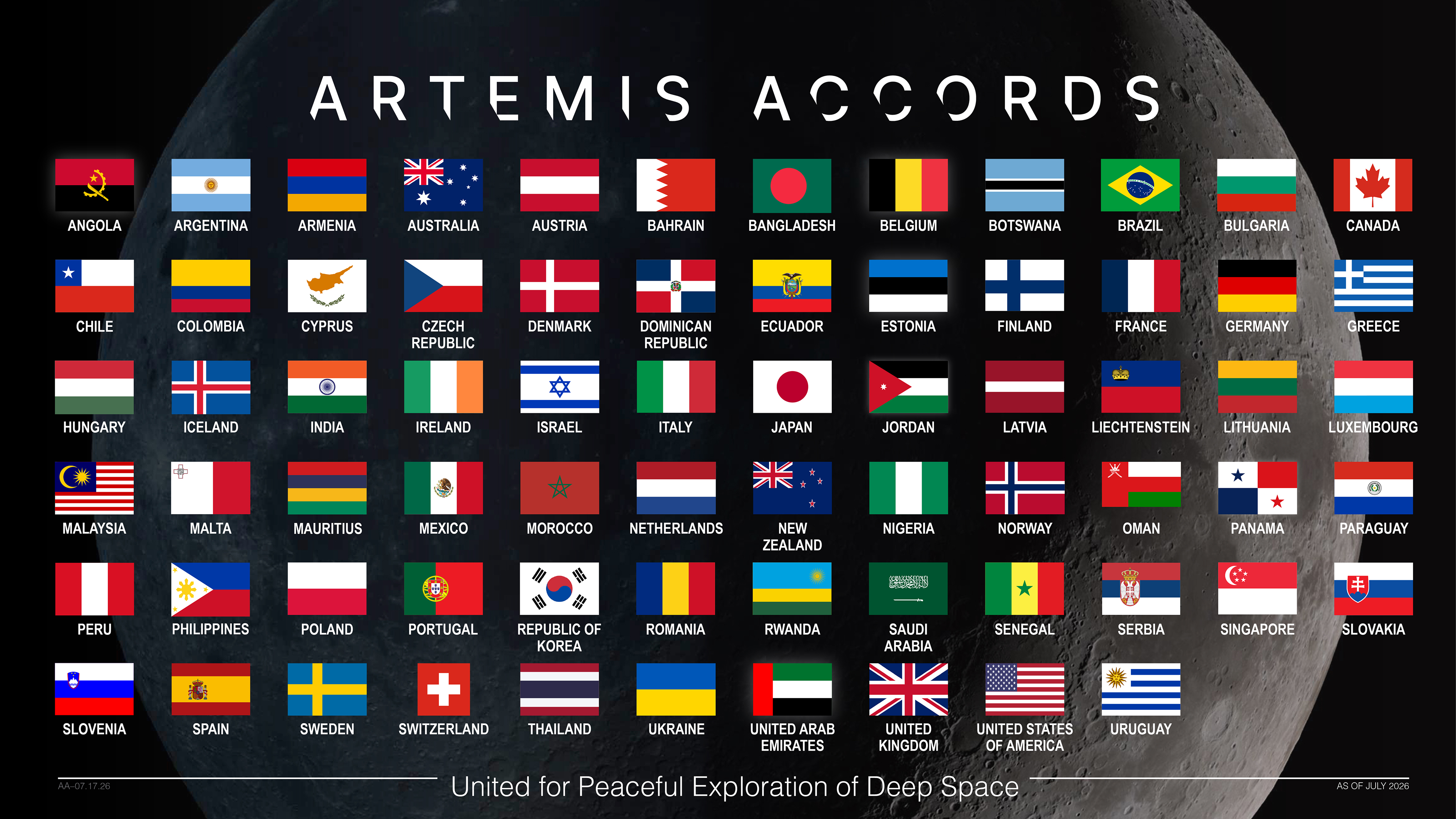
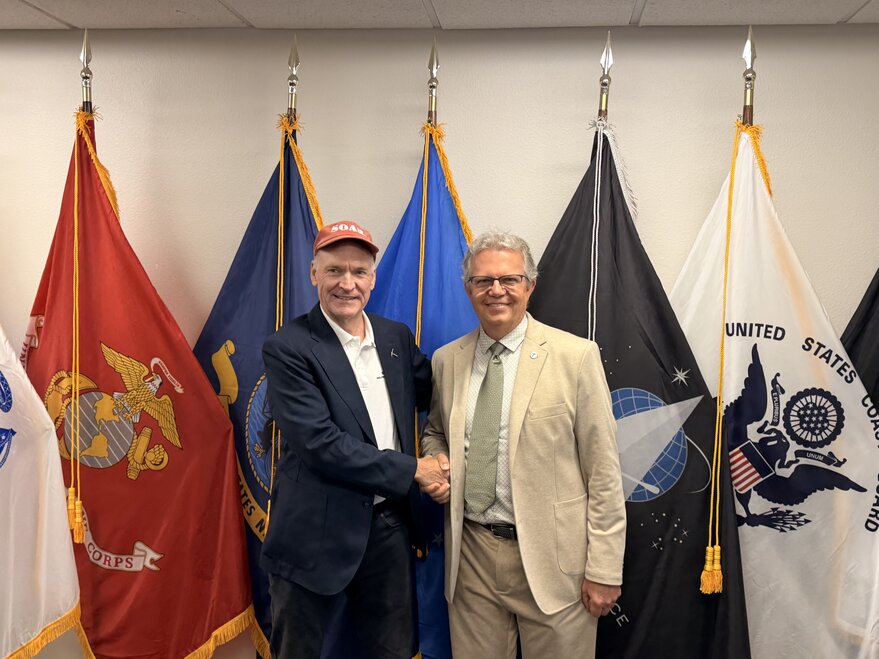
Mauritius has become the 70th signatory to the Artemis Accords and the seventh African nation to join the agreement, signing on Friday in Ébène. NASA's Deputy Administrator Matt Anderson and U.S. State Department officials witnessed the signing, which Mauritius' Permanent Secretary at the Ministry of Tertiary Education, Science and Research signed on behalf of the country. The Artemis Accords, established in 2020 by NASA and seven founding nations, commit signatories to explore space peacefully, share scientific data, render aid in emergencies, and preserve historically significant sites. Mauritius has a long history with NASA dating to the 1960s and 1970s, when the agency used tracking stations there for satellite geodetic missions that supported navigation technology development from Apollo through Artemis. The Accords now invite all signatories, including Mauritius, to participate in NASA's sustained lunar outpost program under the Trump administration's 2025 National Space Policy directive. NASA expects more countries to sign the agreement in the coming months and years.

Serbia becomes 69th nation to sign Artemis Accords, joining China's lunar base project
LEO Services1 min

Serbia becomes 69th nation to sign Artemis Accords, joining China's lunar base project

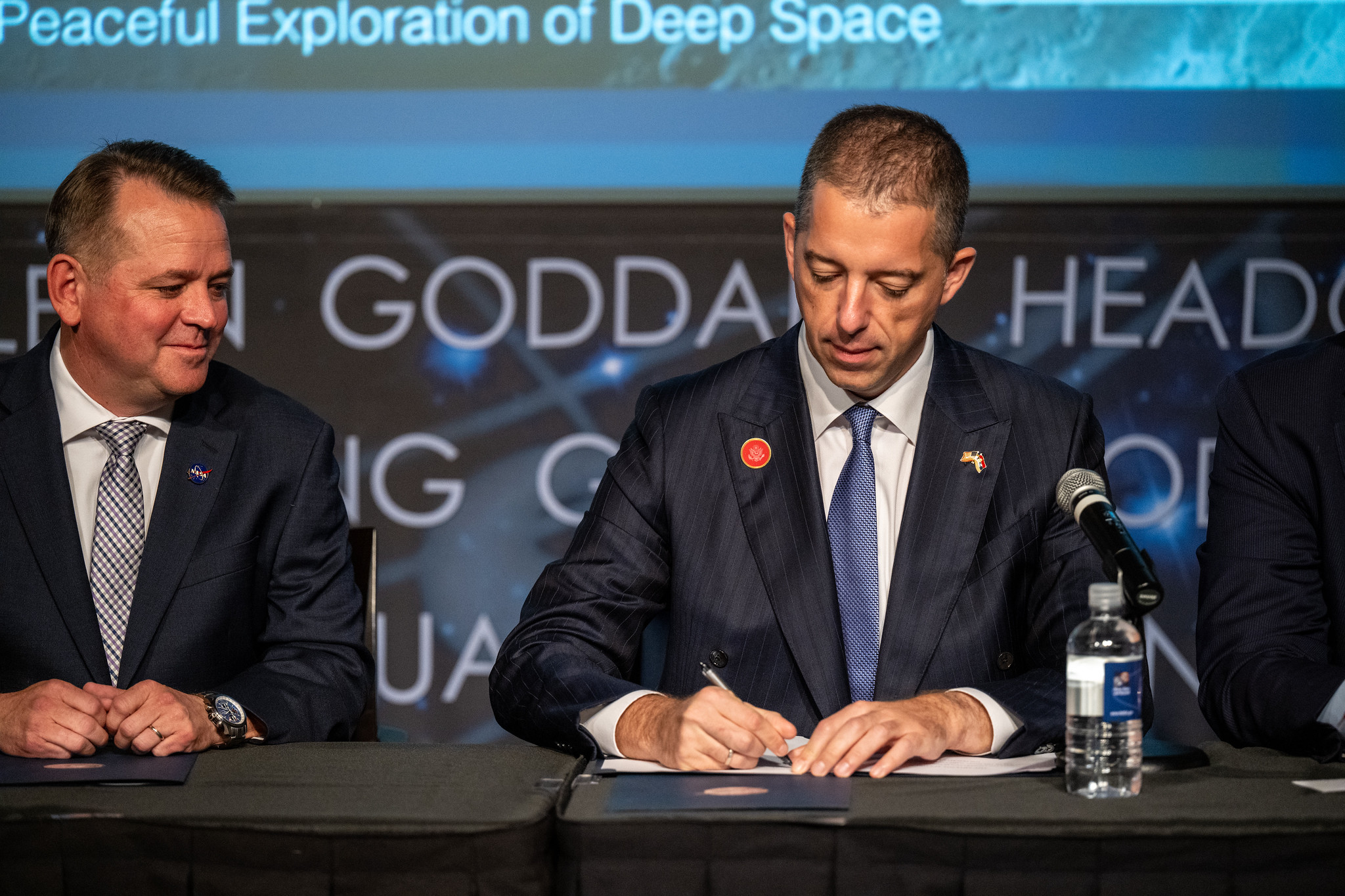
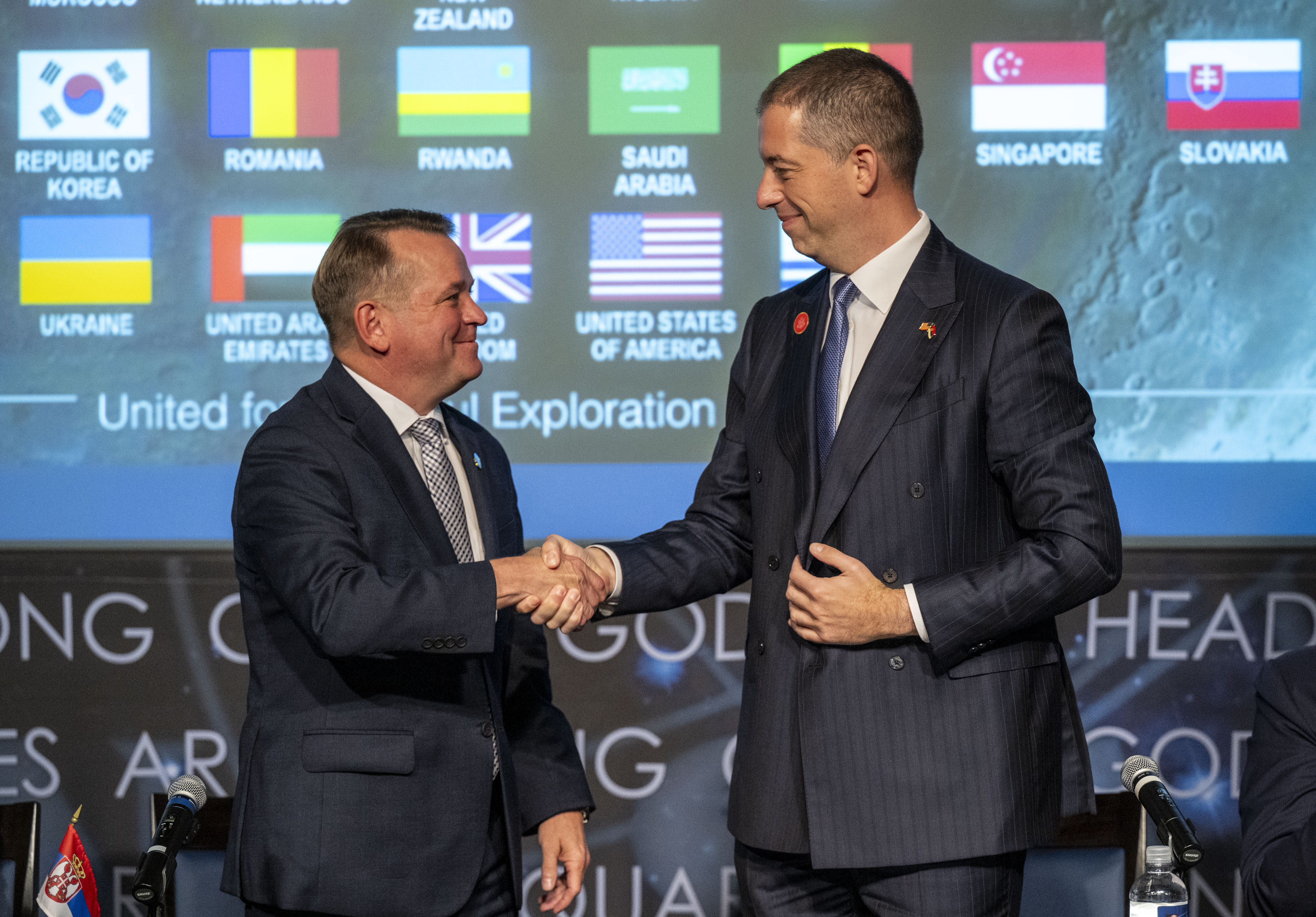
Serbia signed the Artemis Accords on July 16 at NASA Headquarters, becoming the 69th country to join the U.S.-led framework for space exploration best practices. Serbia's Foreign Minister Marko Đurić signed the document alongside NASA Deputy Administrator Matt Anderson. The signing carries particular symbolic weight given Serbia's historical role in the Apollo program through Serbian engineers and the "Serbian Seven," a group NASA and Serbian officials highlighted during the ceremony. Serbia's decision to sign is notable because the country joined China's International Lunar Research Station effort in May 2024, making it a participant in both major lunar exploration initiatives. Thailand and Senegal have similarly signed the Artemis Accords while also supporting China's ILRS, and U.S. officials have stated that ILRS signatories are welcome to join the Accords. Serbia is the 10th country to sign the Artemis Accords in 2026.

Soyuz MS-29 launches with energy drink ad, continuing Russian space advertising tradition
Satellite Ops1 min

Soyuz MS-29 launches with energy drink ad, continuing Russian space advertising tradition

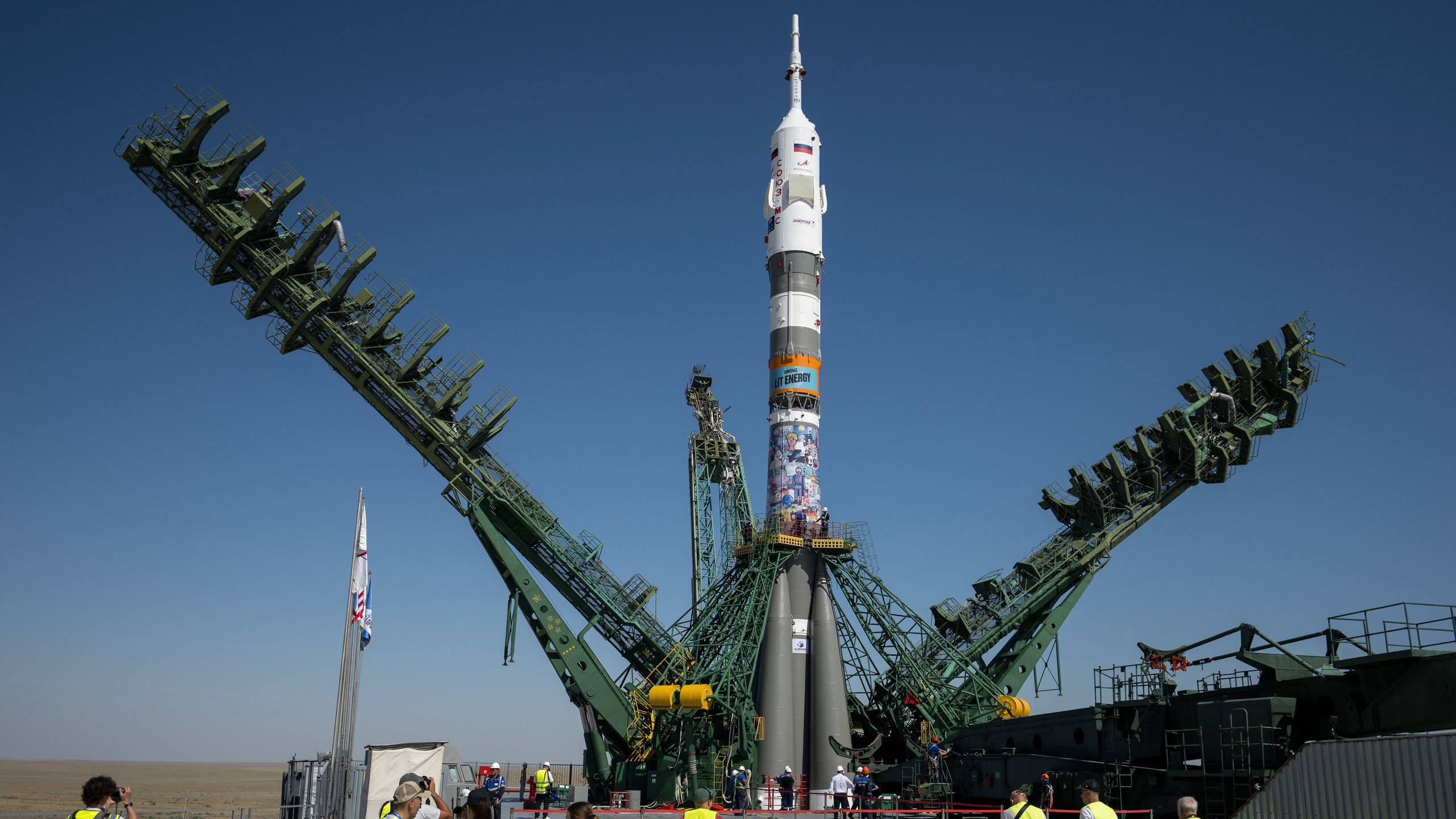
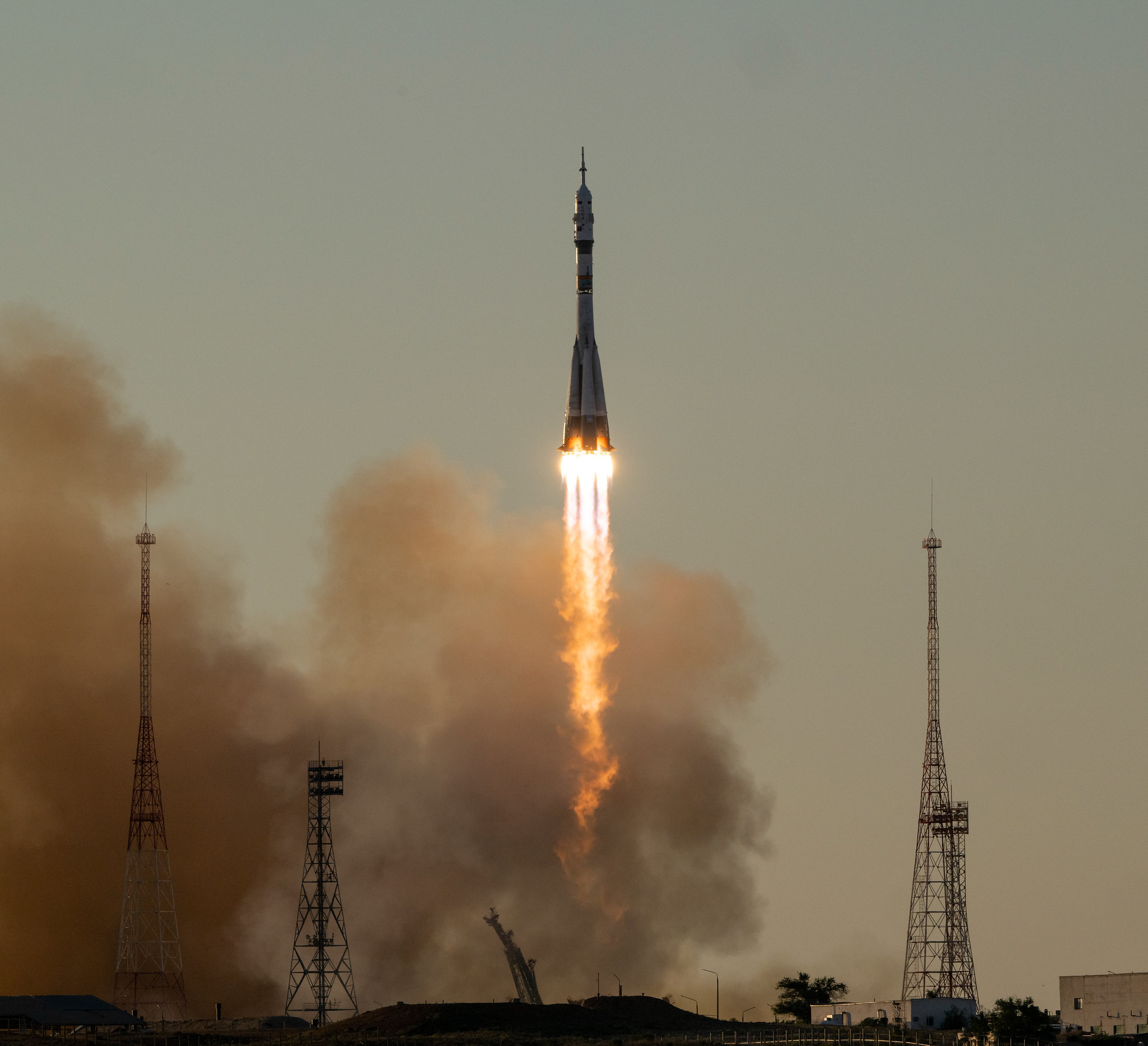
The Soyuz MS-29 rocket launched to the International Space Station on July 14 from Baikonur Cosmodrome carrying ads for LIT ENERGY lemonade and artwork from children with cancer supporting the Unity Charitable Foundation. Russia has long used rocket advertising as a revenue source, but recent changes to Russian law now formally allow Roscosmos to place ads on space objects starting January 1, 2026, a shift driven partly by economic pressures and the loss of international partnerships following the 2022 invasion of Ukraine. The advertising practice is not new to Russian spaceflight -- a 1990 Soyuz carried Japanese corporate patches, Mir hosted RadioShack and Pepsi ads, and Pizza Hut paid roughly $1.25 million for a Proton rocket ad in 2000. Tuesday's launch also marked a significant diplomatic moment, as NASA Administrator Jared Isaacman attended a Soyuz launch for the first time in eight years and met with Roscosmos Director General Dmitry Bakanov, leading Russia to announce a two-year extension of its ISS commitment through 2030 and agreement in principle to continue providing NASA astronaut seats on Soyuz vehicles in exchange for U.S. commercial spacecraft seats.

Study suggests extreme solar storms may pose greater threat to Earth than previously estimated
Satellite Ops1 min

Study suggests extreme solar storms may pose greater threat to Earth than previously estimated

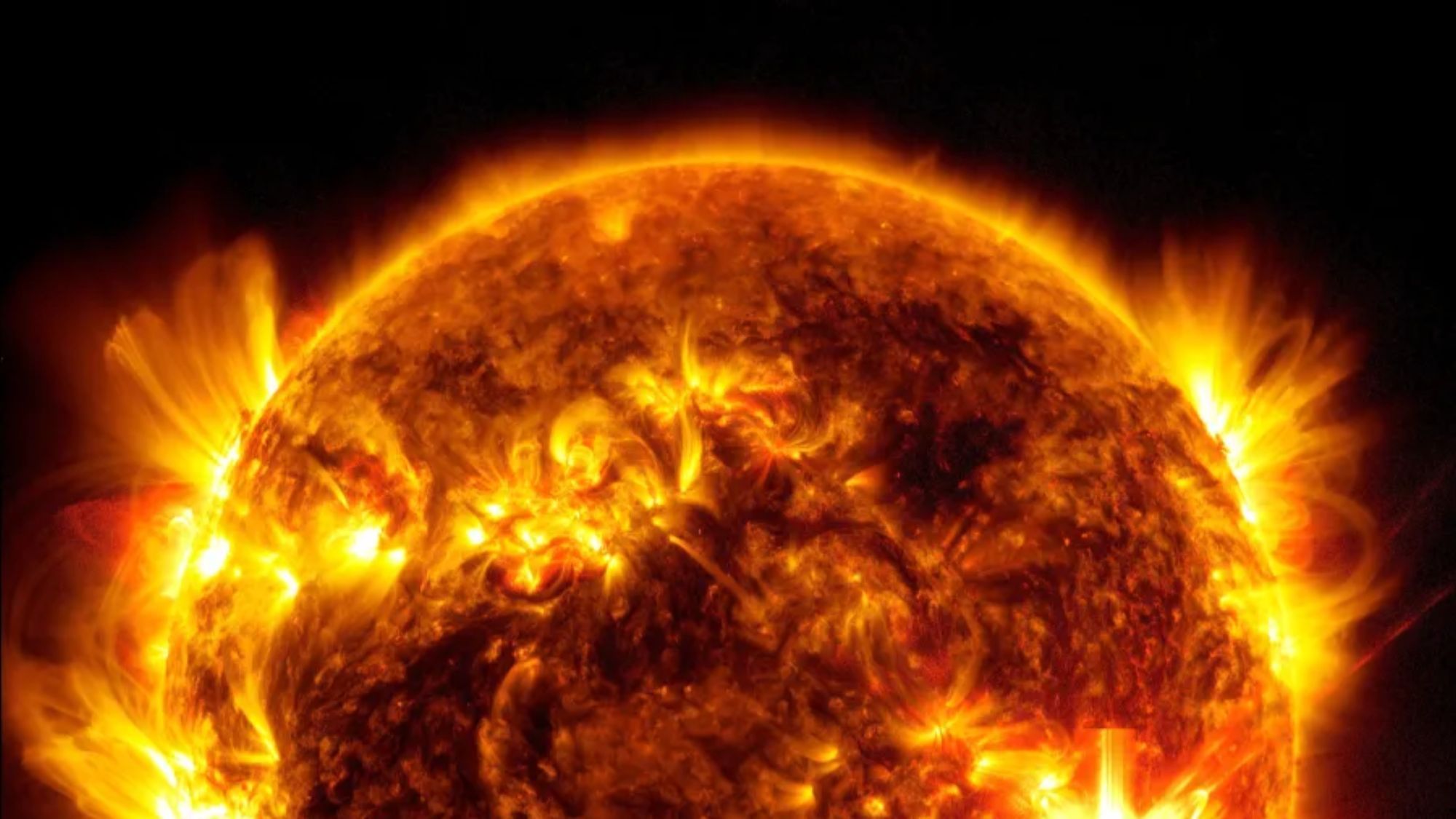
A new study suggests scientists may have underestimated how severely extreme solar storms can affect Earth. Researchers from Lancaster University found that the apparent upper limit on Earth's magnetic response to intense solar wind may result from measurement artifacts rather than a true physical ceiling. If confirmed, the work indicates that rare "once-in-a-thousand-year" geomagnetic storms could pose greater threats to satellites, power grids, and communications systems than current models predict. The team analyzed over one million solar wind measurements from NASA spacecraft orbiting close to Earth, rather than relying solely on data from the Sun-Earth Lagrange Point 1 (L1), roughly 1 million miles upstream. They found electrical currents in Earth's upper atmosphere continued increasing with stronger solar wind, showing no sign of the previously assumed limit. The findings, published in Nature on July 15, arrive as the sun approaches the peak of its 11-year cycle, with geomagnetic storms already occurring more frequently -- including a strong event in May 2024 that disrupted high-frequency radio and GPS systems.

Astronomers detect atmosphere around rocky exoplanet LHS 1140 b in habitable zone
Satellite Ops1 min

Astronomers detect atmosphere around rocky exoplanet LHS 1140 b in habitable zone

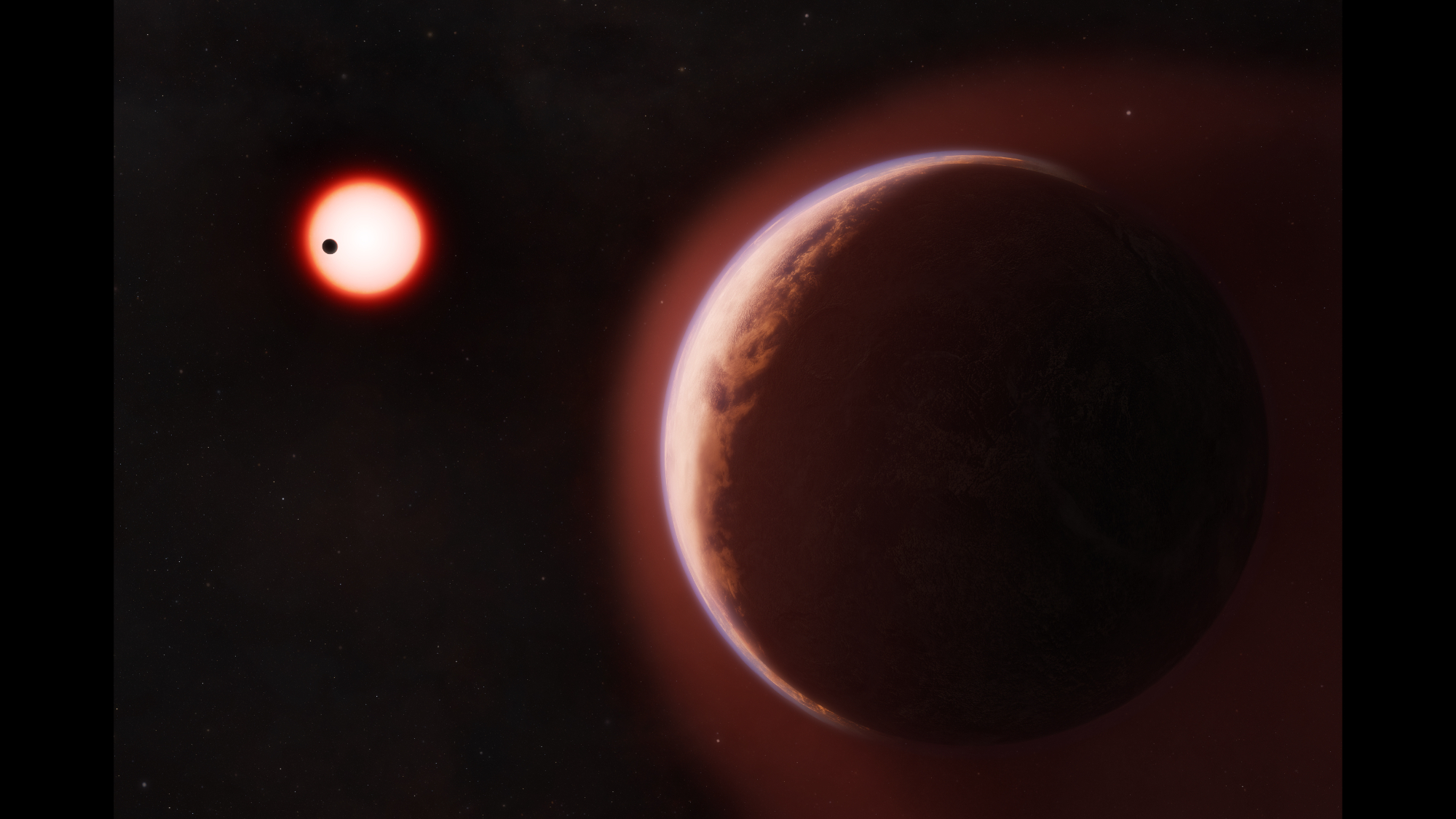
Astronomers have directly detected an atmosphere around LHS 1140 b, a rocky exoplanet orbiting in the habitable zone 48 light-years from Earth. The detection marks the first confirmed atmosphere on a rocky planet in a habitable zone, where liquid water could potentially exist. Lead researcher Collin Cherubim of Harvard University identified helium signatures using the WINERED Spectrograph at Magellan Observatory in Chile, testing a theoretical model he developed during graduate school. The discovery matters because rocky planets orbiting red dwarf stars typically lose their atmospheres to intense radiation, yet LHS 1140 b has retained one over billions of years. The planet orbits a red dwarf roughly 6 billion years old and maintains temperatures suitable for liquid water. Researchers suggest the planet likely contains substantial water and could support habitable conditions if atmospheric greenhouse effects are present. While other gases may exist in the atmosphere alongside helium, the team expects the atmosphere to persist despite slow helium escape. The findings, published in Science, represent progress in identifying potentially habitable worlds, though researchers emphasize they cannot yet confirm the presence of life or water on the surface.

Falcon 9 launches 21 satellites for U.S. military's T1TL constellation from Vandenberg
Satellite Ops1 min

Falcon 9 launches 21 satellites for U.S. military's T1TL constellation from Vandenberg

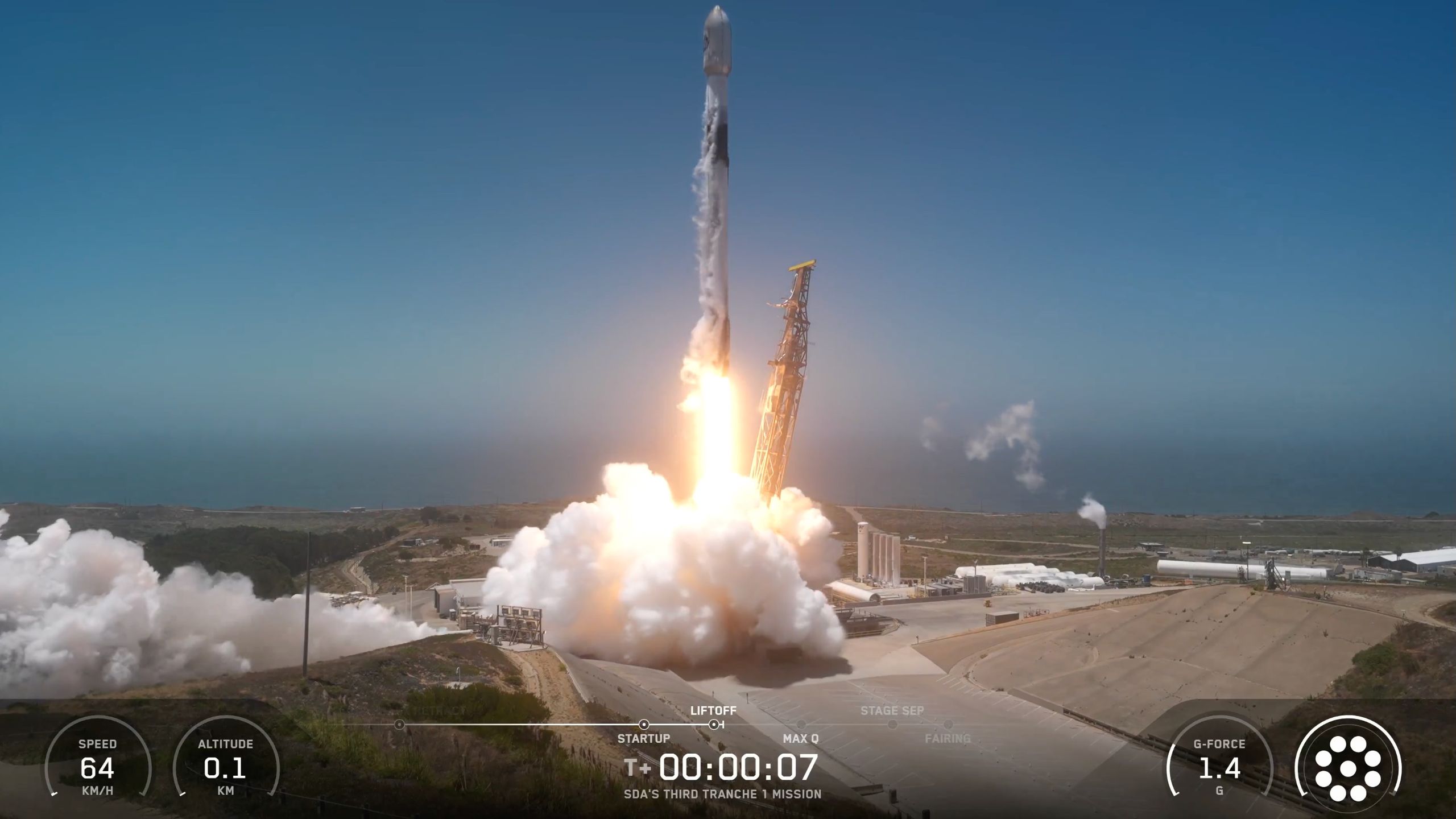
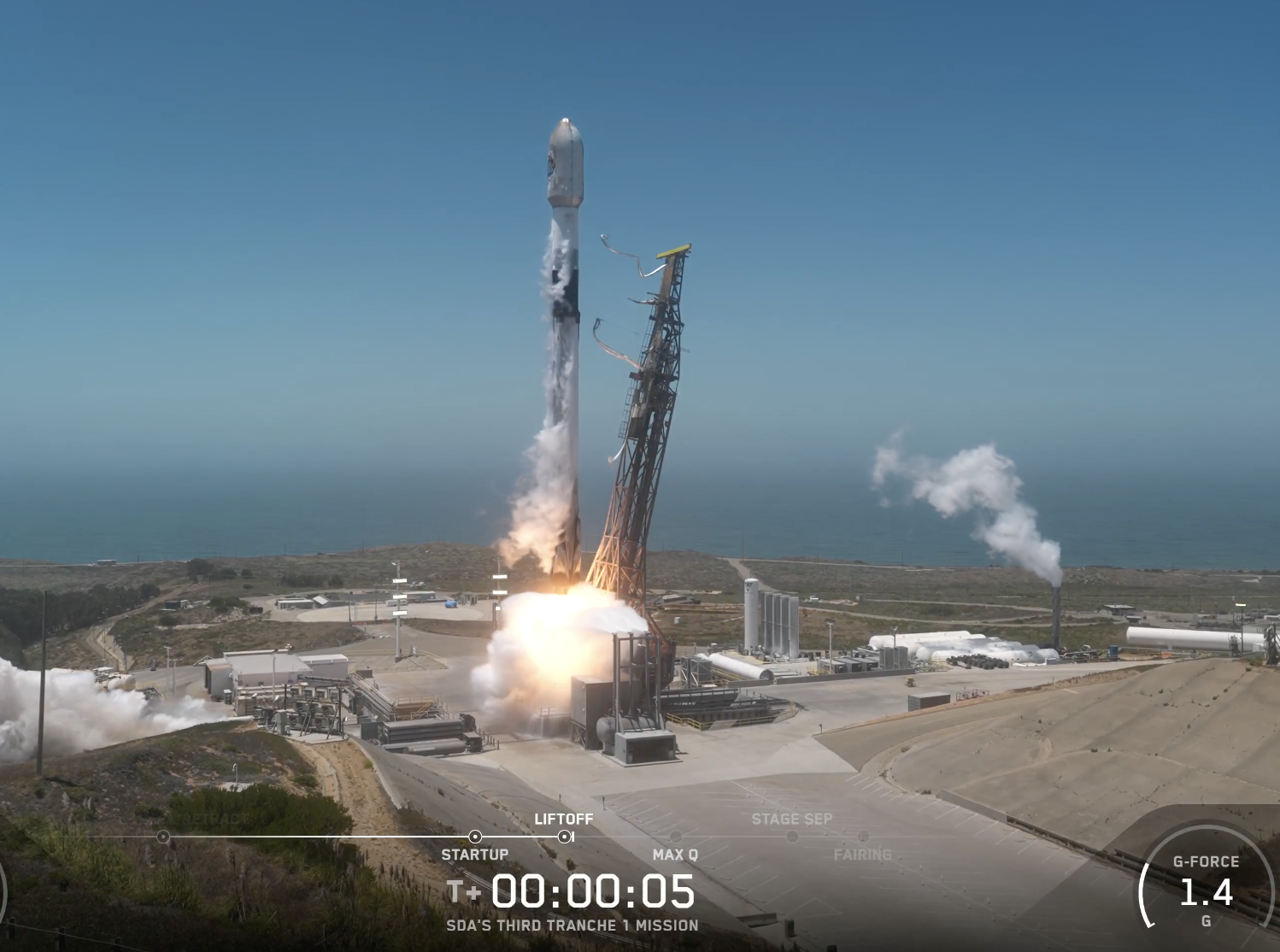
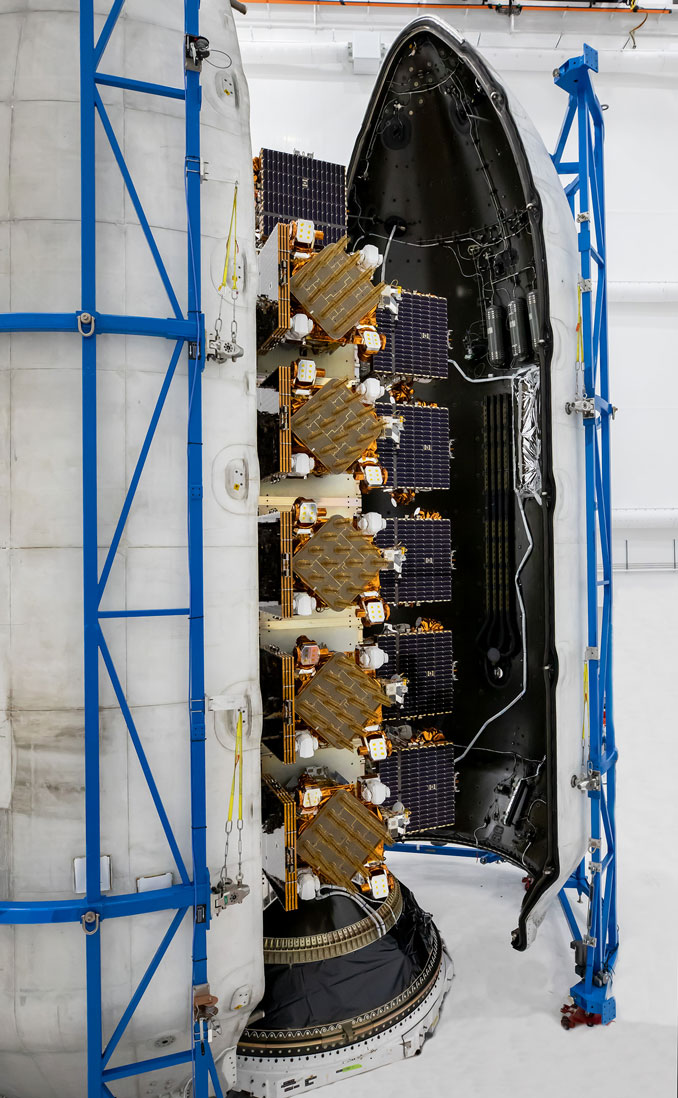
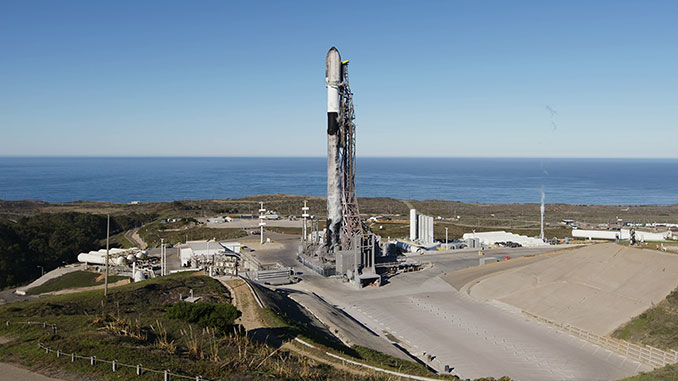
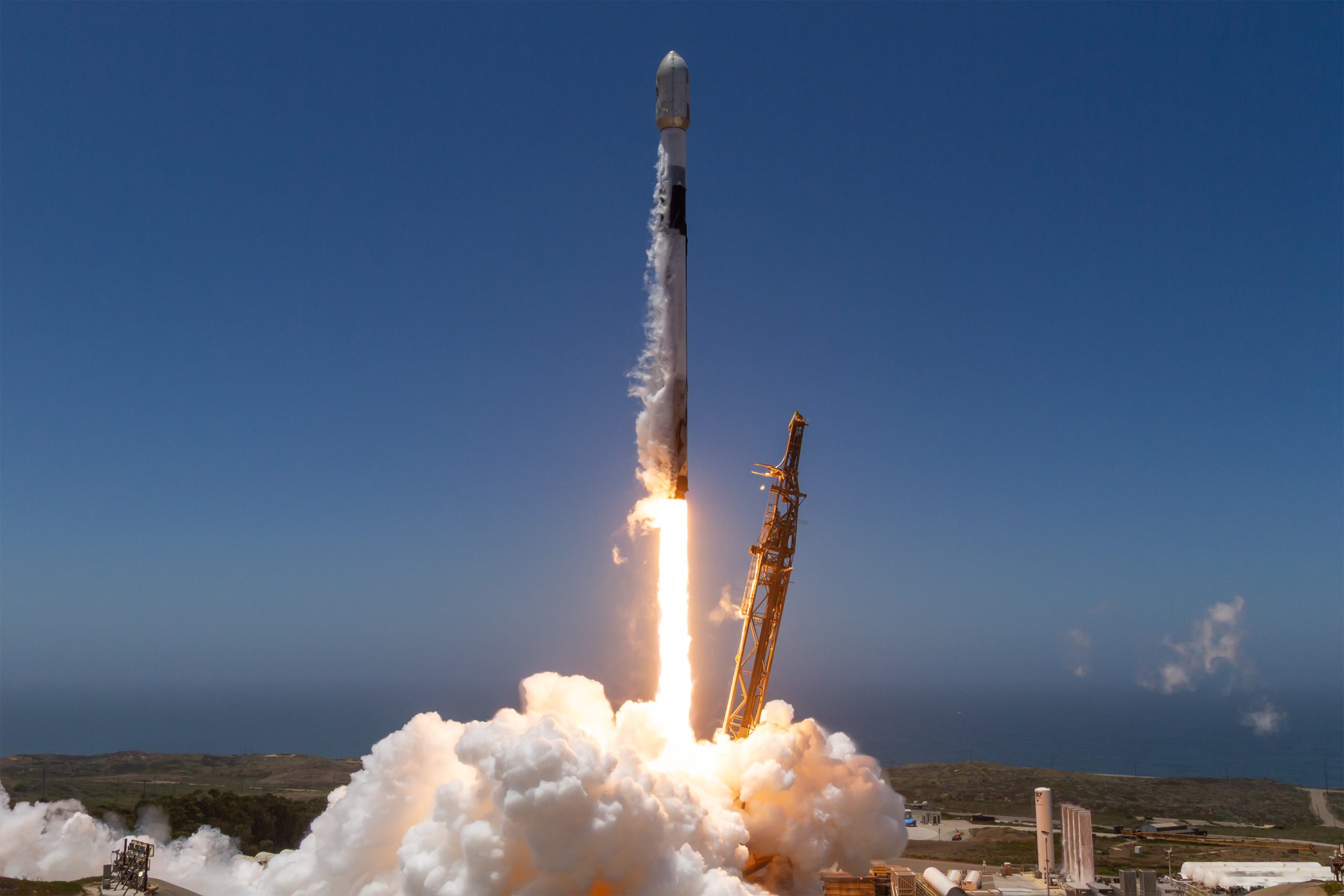
A Falcon 9 rocket launched from Vandenberg Space Force Base on July 16, carrying 21 satellites for the U.S. Space Force's Tranche 1 Transport Layer (T1TL) constellation. The T1TL is a low Earth orbit network that will provide global communications and encrypted regional connectivity for military operations. The mission marks the third Falcon 9 launch delivering T1TL satellites to orbit. The booster, flying its fourth mission, landed successfully on a drone ship about 8.5 minutes after liftoff. With this launch, 63 of the constellation's eventual 126 satellites are now in orbit. The T1TL will form part of the larger Proliferated Warfighter Space Architecture, a network of hundreds of optically linked small satellites that the SDA plans to expand with new tranches every two years to increase military capability.

Serbia becomes 69th nation to sign Artemis Accords
Space Policy1 min

Serbia becomes 69th nation to sign Artemis Accords

Serbia became the 69th nation to sign the Artemis Accords during a ceremony at NASA Headquarters on Thursday, joining a coalition committed to peaceful and transparent space exploration. NASA Deputy Administrator Matt Anderson highlighted Serbia's historical contributions to the Apollo program, particularly the work of Serbian American engineers who supported critical functions from lunar landing analysis to spacecraft docking. Among them was Milojko Vučelić, who received the Presidential Medal of Freedom for his role in safely returning the Apollo 13 crew. By signing the accords, Serbia gains access to opportunities for lunar exploration with NASA, including providing payloads for the planned Moon Base and CubeSats for upcoming Artemis missions. The Artemis Accords framework, established in 2020 with seven founding nations, sets practical principles for safe and coordinated exploration of the Moon, Mars, and beyond -- committing signatories to peaceful exploration, transparency, scientific data sharing, and preservation of historically significant sites. NASA expects additional nations to sign in the coming months and years as it advances the sustained lunar outpost outlined in the Trump administration's National Space Policy.

NASA identifies near-Earth asteroid 1998 SH2 as active comet through orbital analysis
Space Policy1 min

NASA identifies near-Earth asteroid 1998 SH2 as active comet through orbital analysis

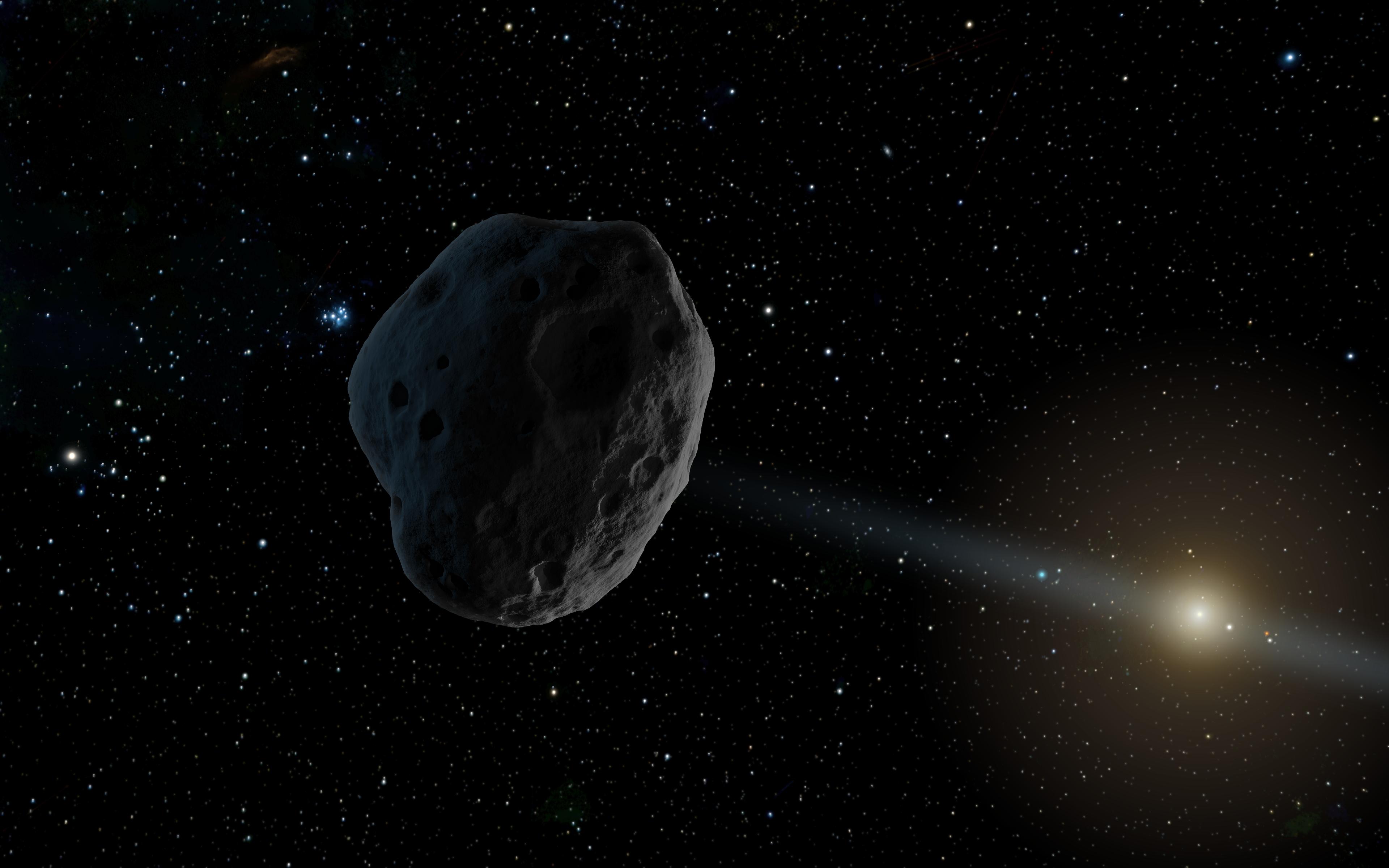
NASA scientists at the Jet Propulsion Laboratory determined that the near-Earth object 1998 SH2, tracked since its 1998 discovery, is actually a comet rather than an asteroid. The object passed within 2 million miles of Earth in August 2025, but failed to appear where radar calculations predicted, signaling unexpected motion. Analysis revealed nongravitational perturbations consistent with outgassing from solar heating, and follow-up observations with the Canada-France-Hawaii Telescope, the European Southern Observatory's Danish Telescope, and the Very Large Telescope confirmed a faint but visible comet tail and coma. The findings, published in Nature Astronomy, highlight how precision astrometry can identify comets misclassified as asteroids. The discovery has implications for understanding a puzzling class of objects called dark comets, which exhibit orbital irregularities but show little visible cometary activity. About a dozen dark comets have been identified since 2016, and the research suggests many could prove to be regular comets with stronger observational equipment. Distinguishing comets from asteroids matters for planetary defense because cometary outgassing alters trajectories more significantly than asteroid motion alone. NASA's upcoming Near-Earth Object Surveyor mission will support this effort by detecting faint objects including dark asteroids and comets that reflect little visible light.

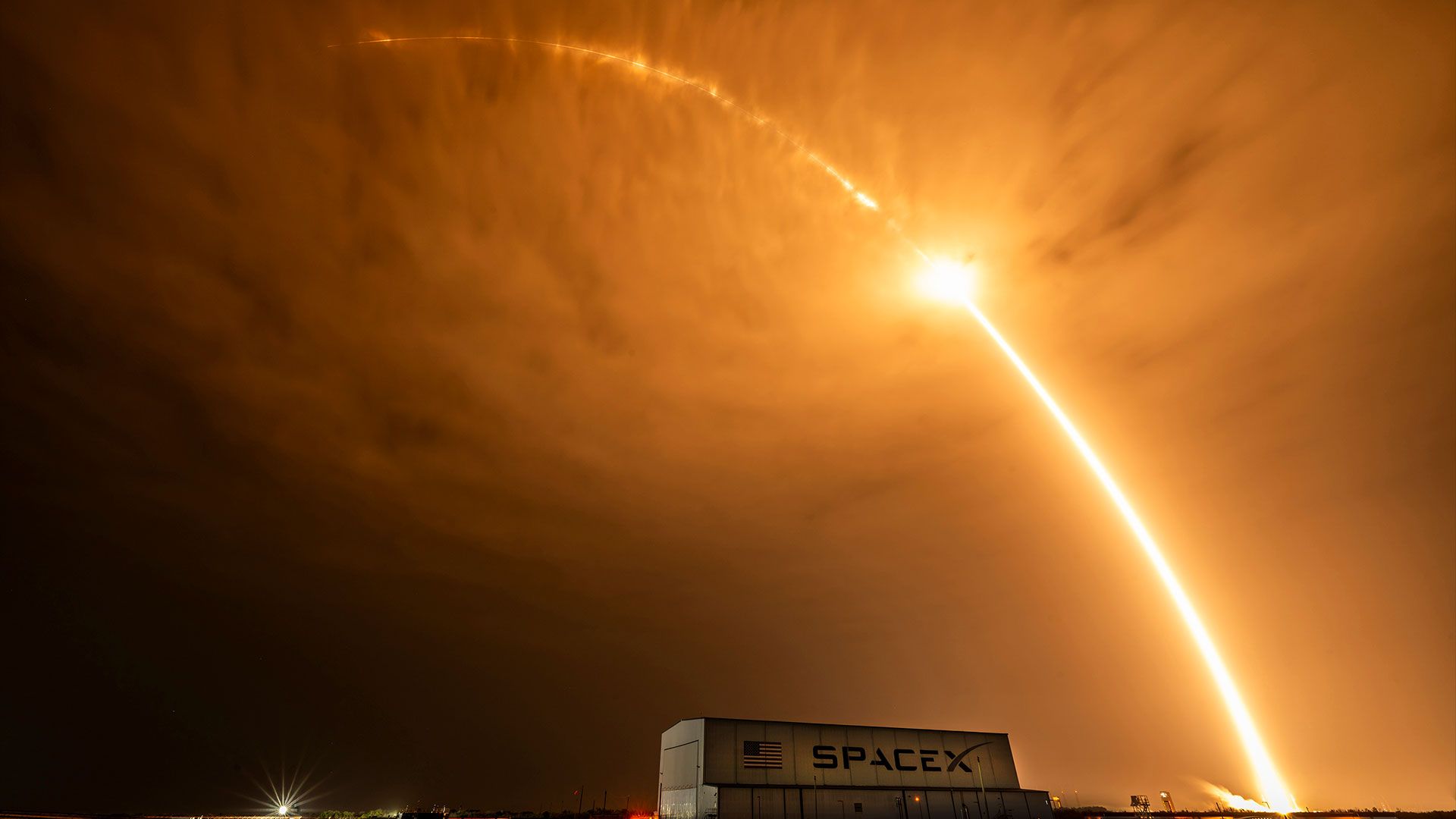
SpaceX aborts Starship Flight 13 over engine ignition failure at Texas test site
LEO Services1 min

SpaceX aborts Starship Flight 13 over engine ignition failure at Texas test site

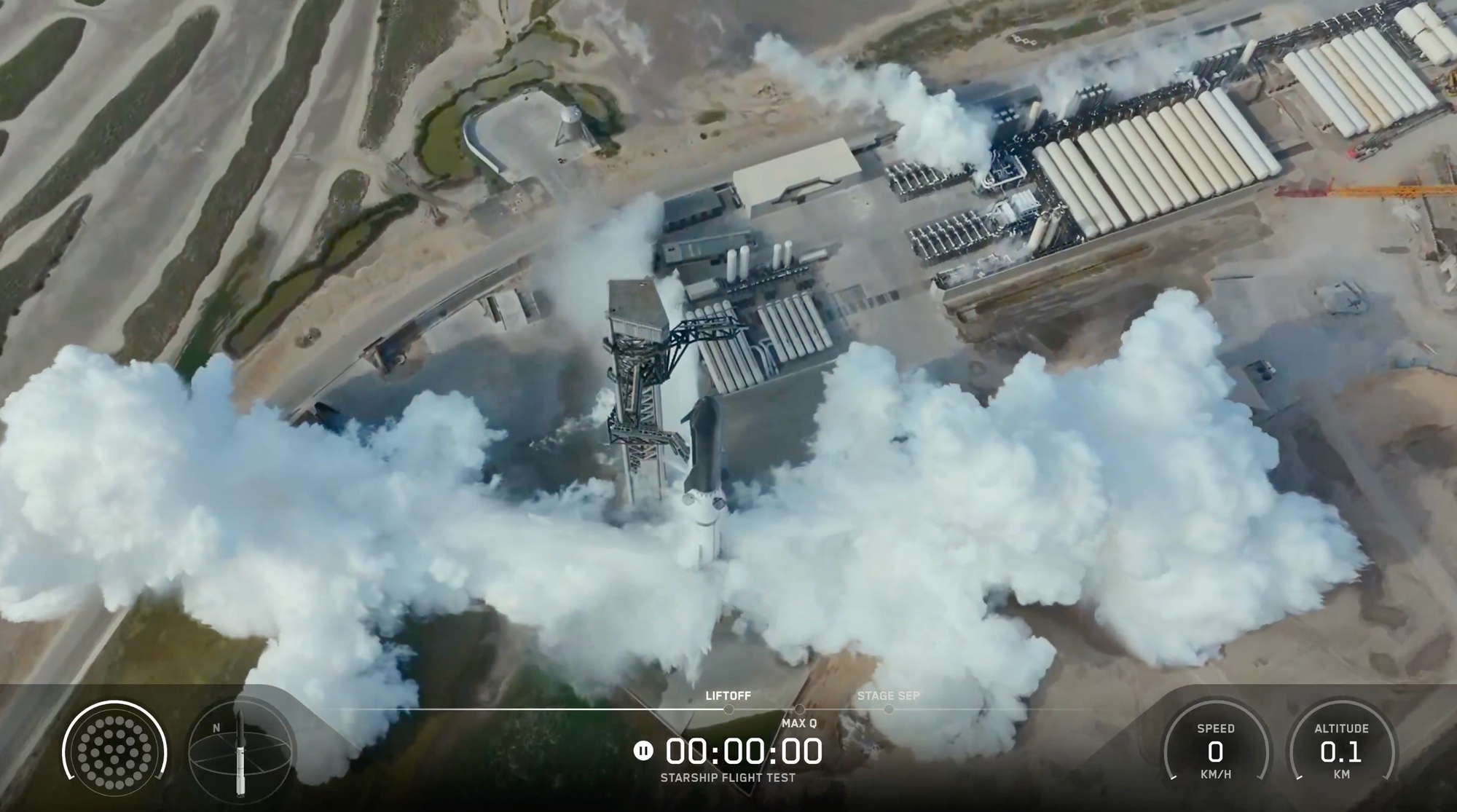
SpaceX aborted the July 16 launch of Starship Flight 13 from Starbase, Texas when several Raptor engines in the Super Heavy booster failed to ignite. The abort occurred moments after engine ignition, with Elon Musk stating via social media that the company would remove and replace two engines before the next attempt, likely in early the following week. Flight 13 is the second test of the upgraded Starship V3 and was planned as a suborbital mission incorporating lessons from Flight 12 in May, which saw the booster lose controlled splashdown capability and one upper-stage engine fail during ascent. A key distinction for Flight 13 is its payload: 20 functioning Starlink V3 satellites scheduled for deployment and testing in space rather than mass simulators used on previous flights. The satellites would undergo about 20 minutes of tests including solar array deployment, antenna activation, and communications checks before reentering. Each Starlink V3 satellite offers 1 terabit per second of downlink capacity, ten times better than existing constellation members, along with doubled power generation from larger solar arrays and upgraded phased-array antennas operating across multiple bands. The abort marked the first Starship launch attempt since SpaceX's June 12 IPO and triggered a stock price dip from $131.11 to near $125 within minutes of the announcement.

SpaceX launches 21 SDA Transport Layer satellites after months-long pause
LEO Services1 min

SpaceX launches 21 SDA Transport Layer satellites after months-long pause

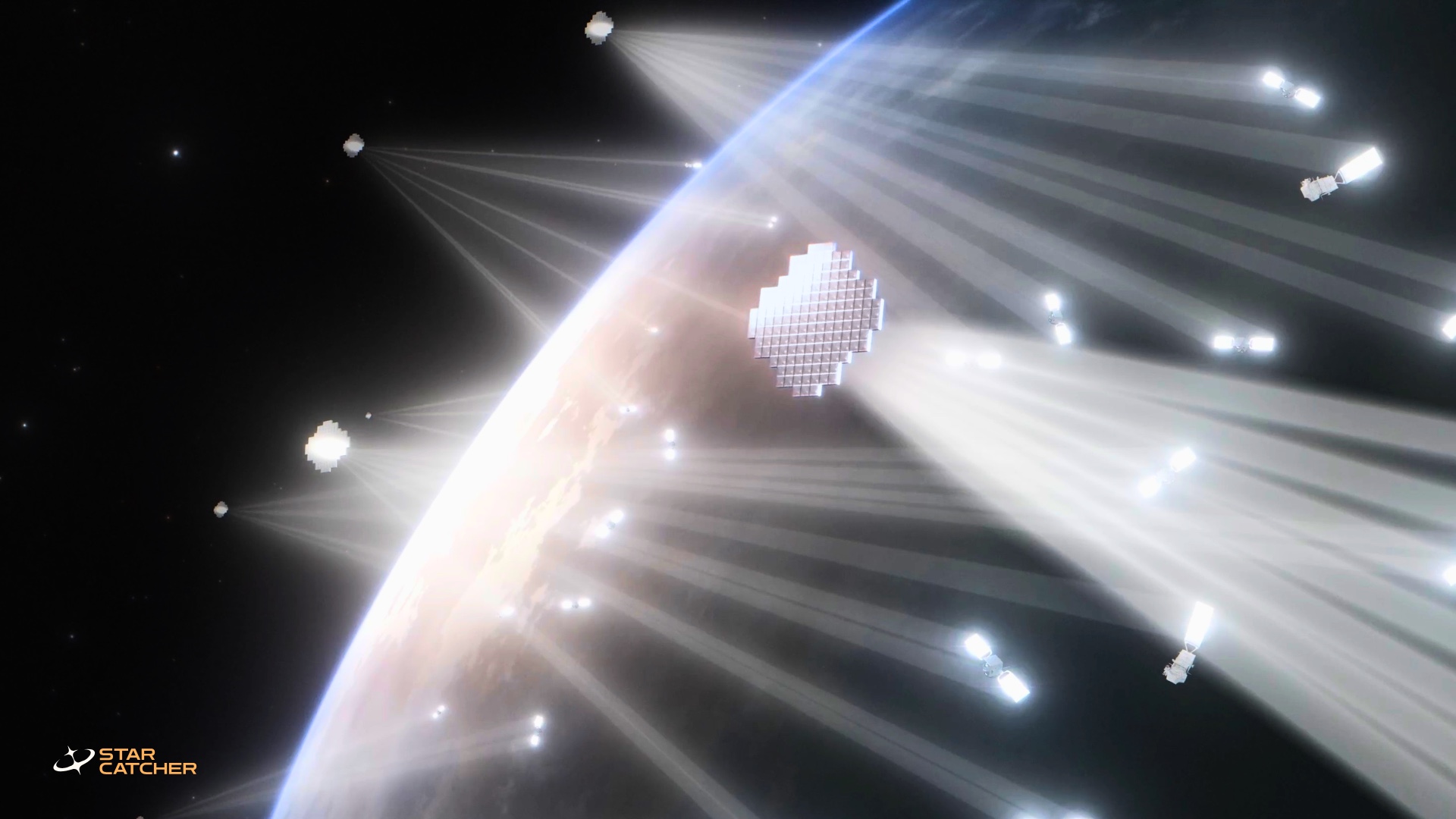
SpaceX launched 21 satellites for the Space Force's Space Development Agency on July 16 from Vandenberg Space Force Base, restarting deployment of the Pentagon's military data network after a months-long pause. The York Space Systems satellites are the third batch of Tranche 1 Transport Layer spacecraft for the Proliferated Warfighter Space Architecture, designed to support missile warning, tracking, and military data relay across low Earth orbit. The pause stemmed from hardware and software issues on the first 42 satellites, including thermal modeling problems, ground contact delays, and propulsion challenges. With this mission, SDA now has 63 Tranche 1 Transport Layer satellites on orbit -- half the planned 126-satellite constellation. SDA Director Gurpartap Sandhoo said the agency is shifting from monthly launch cadence to a readiness-based model, coordinating launches around spacecraft checkout and integration testing rather than launch availability. Sandhoo noted that with three orbital planes deployed, SDA can begin offering "real capability for the warfighter," though the agency has not yet established the mesh network needed to route data across the full constellation and plans to build optical links within planes before attempting cross-plane connections.

MIT study proposes CubeSat technique to detect nuclear warheads in orbit
LEO Services1 min

MIT study proposes CubeSat technique to detect nuclear warheads in orbit

A study published in Nature Astronomy proposes the first peer-reviewed technique for detecting thermonuclear warheads in orbit, addressing a verification gap in the 1967 Outer Space Treaty that 118 nations have signed. MIT nuclear physicist Areg Danagoulian designed a detection method using radiation naturally trapped in Earth's inner Van Allen belt to identify fissile material through spallation, a nuclear signature. The work gained urgency after U.S. intelligence alleged Russia tested an anti-satellite orbital nuclear weapon in 2024, though Russia has denied the claim. Danagoulian's concept uses a 9U CubeSat equipped with a neutron detector that could confirm a warhead's presence within a week at 4 kilometers distance, shrinking to one hour at 1 kilometer -- or 15 hours with a constellation of ten satellites. The approach works only in the inner Van Allen belt around 2,000 kilometers altitude, limiting its scope as a universal detection method. Experts stress the technique would be most viable as part of a cooperative treaty verification regime rather than unilateral inspections, which could escalate tensions. Danagoulian plans to collaborate with national laboratories on a proof-of-concept prototype, though peer reviewers note the work remains a simulation requiring real-world validation. A remaining challenge involves distinguishing offline nuclear reactors from weapons, which the team is still working to resolve.

Defense Innovation Unit seeks commercial space power-beaming demos within two years
LEO Services1 min

Defense Innovation Unit seeks commercial space power-beaming demos within two years

The Defense Innovation Unit is seeking commercial proposals to demonstrate power-beaming technology between spacecraft and from orbit to ground receivers within two years, with the goal of fielding an operational capability by fiscal 2030. The Pentagon has not yet decided whether to own and operate the system or purchase power as a service from a commercial provider. Companies have until July 22 to submit proposals, with selected firms expected to complete a lab demonstration within 12 months followed by an on-orbit prototype test within 24 months. DIU is prioritizing space-to-space and space-to-ground transmission systems that can be fielded quickly and integrated into orbital demonstrations already underway. The solicitation covers four technical areas: spacecraft-to-spacecraft power transmission, orbit-to-ground beaming, receiver systems, and components to reduce the size and weight of future hardware. The effort uses DIU's Commercial Solutions Opening process with Other Transaction authority to accelerate contracting beyond standard federal procurement timelines, and is open to both U.S. and international companies including nontraditional defense contractors.

Lt. Gen. Schiess backs Space Force budget more than doubling to counter China
LEO Services2 min

Lt. Gen. Schiess backs Space Force budget more than doubling to counter China

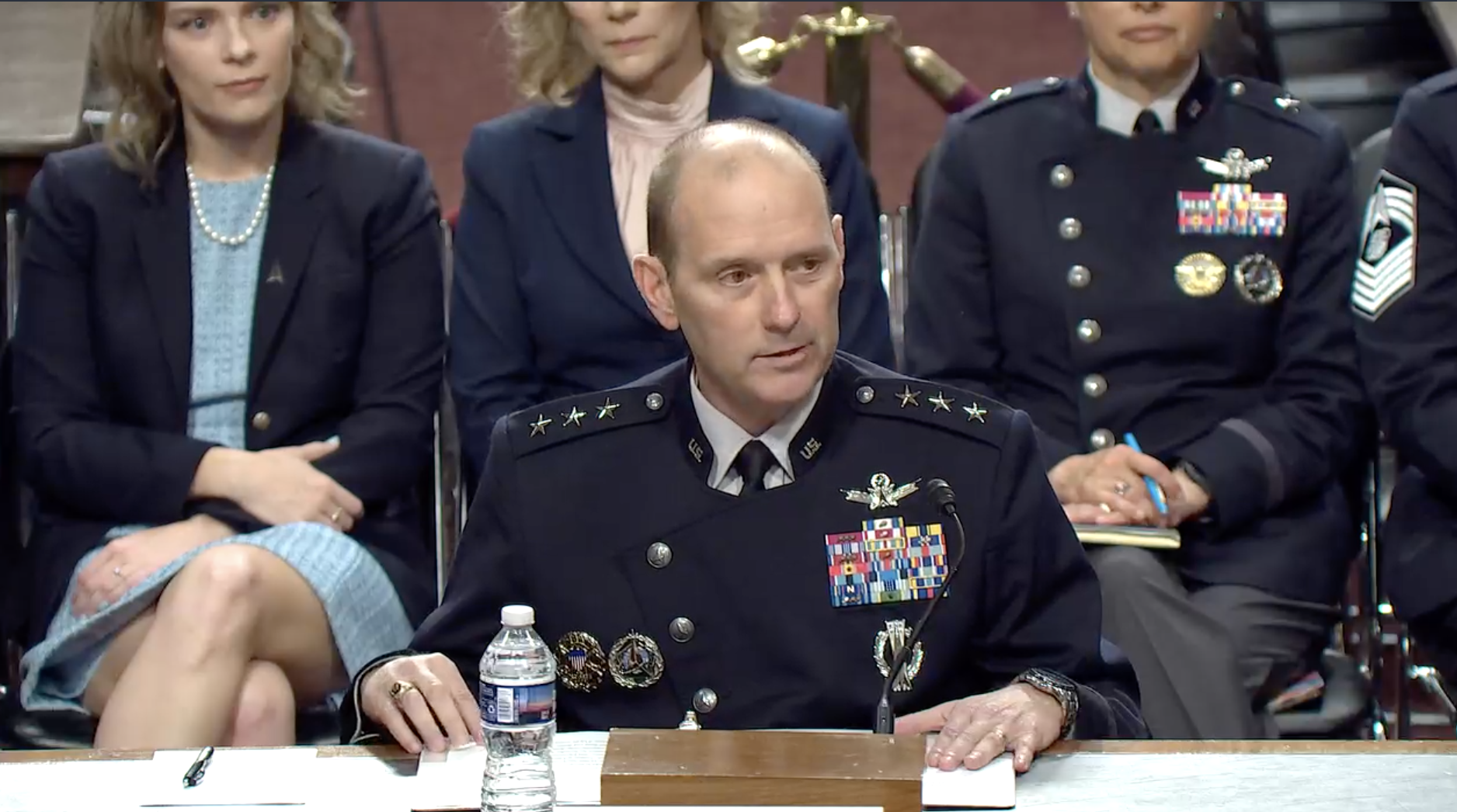
Lt. Gen. Douglas Schiess, Trump's nominee to lead the U.S. Space Force, defended the administration's proposal to more than double the service's budget to $71.1 billion at his Senate confirmation hearing on July 16. He argued the increase is necessary to counter China's rapid expansion of counterspace weapons and military satellite networks, including an intelligence system designed to track U.S. carriers and bombers. Most of the budget growth would fund weapons, facilities, training and equipment rather than personnel, though the proposal includes roughly 2,800 new uniformed Guardians and 2,000 civilian staff -- a major expansion for a service formed in 2019 with a deliberately small workforce. If confirmed, Schiess would become the third chief of space operations and join the Joint Chiefs of Staff, succeeding Gen. Chance Saltzman. He currently serves as the Space Force's deputy chief of operations. His testimony framed the next phase of the service's development as requiring deeper integration of space forces into military planning and rapid expansion of personnel and systems to protect U.S. forces from space-enabled targeting and support critical operations including missile defense and nuclear command and control. Schiess drew a distinction on commercial space reliance, saying the military should lease services like satellite communications and orbital tracking from private operators but retain ownership of systems designed to damage or destroy spacecraft. He also indicated the Space Force's protective mandate could extend to commercial and allied satellites if they're incorporated into shared military architectures. On Trump's Golden Dome missile-defense initiative, he said investments in tracking, communications and data systems would benefit the Space Force's broader orbital security mission, though he did not address questions about the program's scale. Schiess endorsed preserving the Space Development Agency's rapid acquisition model as the Pentagon restructures it, calling it an "incredible organization." The Space Force plans to apply SDA's practices through new Portfolio Acquisition Executives handling broad mission areas. He noted the service lost 14 to 15 percent of its civilian workforce to government-wide reductions and is now hiring roughly 100 civilian employees monthly to rebuild capacity. Recent conflicts in Ukraine and Iran have prompted the Space Force to develop procedures for maintaining satellite services under jamming and to greater incorporate artificial intelligence for space-domain awareness, with human operators remaining involved in decision-making.

Office of Space Commerce defends mission authorization proposal for novel space activities
LEO Services2 min

Office of Space Commerce defends mission authorization proposal for novel space activities

The Office of Space Commerce defended its proposal for a mission authorization scheme at a House hearing, arguing it would provide regulatory certainty for companies pursuing novel space activities like satellite servicing and commercial space stations that currently fall outside existing licensing frameworks. Taylor Jordan, the office's director, told the House Science Committee's space subcommittee in July that companies need a clear path through regulations, saying the current regime traps industry "in an endless maze." The proposal would create a voluntary "Space Commerce Certification" allowing companies to demonstrate compliance with laws and treaties, with the office serving as a centralized entry point that coordinates reviews across agencies like the FAA and FCC. The certification would streamline overlapping regulatory requirements by allowing a single application to satisfy portions of multiple agency obligations. Companies could use the certification to help meet payload review requirements for FAA launch licenses or orbital debris mitigation plans for FCC licenses. Jordan said his office would initially focus on testing the system with mature technologies and near-term missions. The proposal awaits White House approval but has support from the agencies that would participate in interagency reviews. Subcommittee members expressed broad agreement on the need for clearer regulatory pathways. Rep. Brian Babin noted that the House passed legislation nearly a decade ago including a mission authorization regime, but it stalled in the Senate. Rep. Zoe Lofgren said clarity about regulatory jurisdiction is needed to support commercial space investment. However, uncertainty remains about implementation timelines and how the office will select pilot applications if the White House approves the proposal. The hearing also surfaced concerns about another office program, the Traffic Coordination System for Space (TraCSS), a civil space situational awareness system meant to replace Space Force collision-warning work for satellite operators. The White House's fiscal 2027 budget proposal included virtually no funding for TraCSS, instead proposing to archive a beta version while exploring alternative funding mechanisms such as user fees. Jordan said the office is working on how the program will move forward and committed to continuing SSA data provision in some form, though the specific path remains uncertain.

Swissto12 raises $70 million to expand small GEO satellite manufacturing
LEO Services1 min

Swissto12 raises $70 million to expand small GEO satellite manufacturing

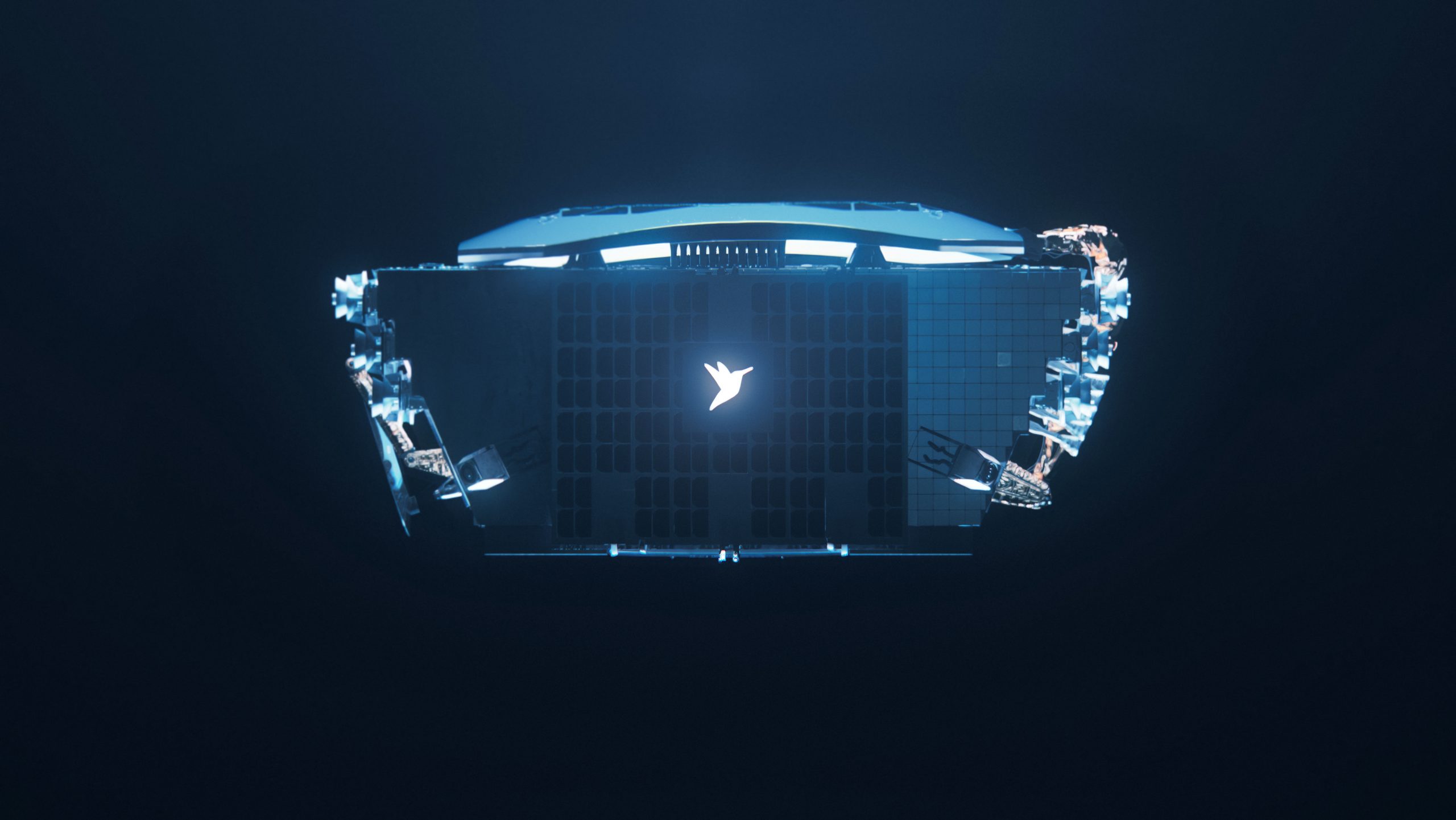
Swissto12, a Swiss satellite manufacturer, raised $70 million in Series C funding to expand production of HummingSat, its small geostationary satellite designed for regional markets. The funding announcement comes as the company reported over $500 million in contracts spanning satellite subsystems, antennas, and payloads. Seven HummingSats have been ordered to date, with the first unit slated for completion in 2027 for SES, a major legacy GEO operator. The funding addresses growing demand for small GEO spacecraft as traditional large satellites face reduced demand from competition by LEO broadband constellations. HummingSat is a washing machine-sized satellite that serves as a cost-effective alternative to conventional school-bus-sized GEO spacecraft. Swissto12 customers own and operate the satellites they order, distinguishing the company from competitor Astranis, which operates its own small GEO satellites and sells capacity via long-term leases. The European Space Agency has backed HummingSat development with an $84.8 million award announced in January through its ARTES telecoms program, signaling institutional support for the small GEO approach in Europe. Swissto12 generated $140 million in revenue in 2025 and achieved a 110% compound annual growth rate since 2022, when it sold its first HummingSat. The company expects its contracted backlog to drive positive EBITDA in 2026. CEO Emile de Rijk highlighted strong interest from both commercial customers and governments seeking sovereign strategic satellite communications capacity, particularly for disaggregated multi-orbit constellations. The company originally spun out of the Swiss Federal Institute of Technology Lausanne in 2011 as a radio frequency component supplier before expanding into complete payloads and satellite integration. Over 2,000 of its products are currently deployed on active missions across all orbital regimes, giving Swissto12 a diversified business spanning LEO constellations, payload components, and GEO satellite manufacturing.

Mars human mission planning requires integrated work across engineering, science, health and planetary protection
LEO Services1 min

Mars human mission planning requires integrated work across engineering, science, health and planetary protection

NASA and industry experts convened the "Achieving Mars XII" workshop to identify how engineering, human health, science, and planetary protection must be integrated from the start of Mars mission planning. The workshop, sponsored by Explore Mars Inc. and involving representatives from NASA, industry, and academia, created two mission scenarios -- one focused on subsurface ice resources and another on science objectives -- to stress-test how these four disciplines interact. The findings underscore that human Mars exploration requires coordinated development across all components from day one, not sequential problem-solving. The workshop identified several fundamental challenges requiring cross-discipline collaboration. Planning must account for multi-year mission duration, months-long cruise with no rapid return option, landing heavy payloads through thin atmosphere, surface operations without real-time mission control support, and crew performance degradation across physical, cognitive, and psychological domains. Science activities must leverage human capabilities like long-distance traverses and real-time geologic interpretation beyond what robotic missions can achieve, while planetary protection protocols must be designed early to avoid hardware becoming unchangeable during late-stage development. The authors recommend NASA commission a standing community group to hold quarterly or semi-annual follow-on workshops, develop Mars human mission architecture now to identify long lead-time technology needs, and fly a high-resolution imager to Mars for landing site analysis since the Mars Reconnaissance Orbiter's HiRISE instrument has degraded beyond its design life. NASA should also coordinate early with all four disciplinary communities and identify activities during Artemis lunar missions that feed forward to Mars mission requirements. The authors stress these recommendations sit on the critical path for developing integrated mission concepts and architecture designs. Without implementing them now, even at low effort levels, human Mars missions will remain perpetually distant rather than moving toward concrete timelines and site-specific plans.

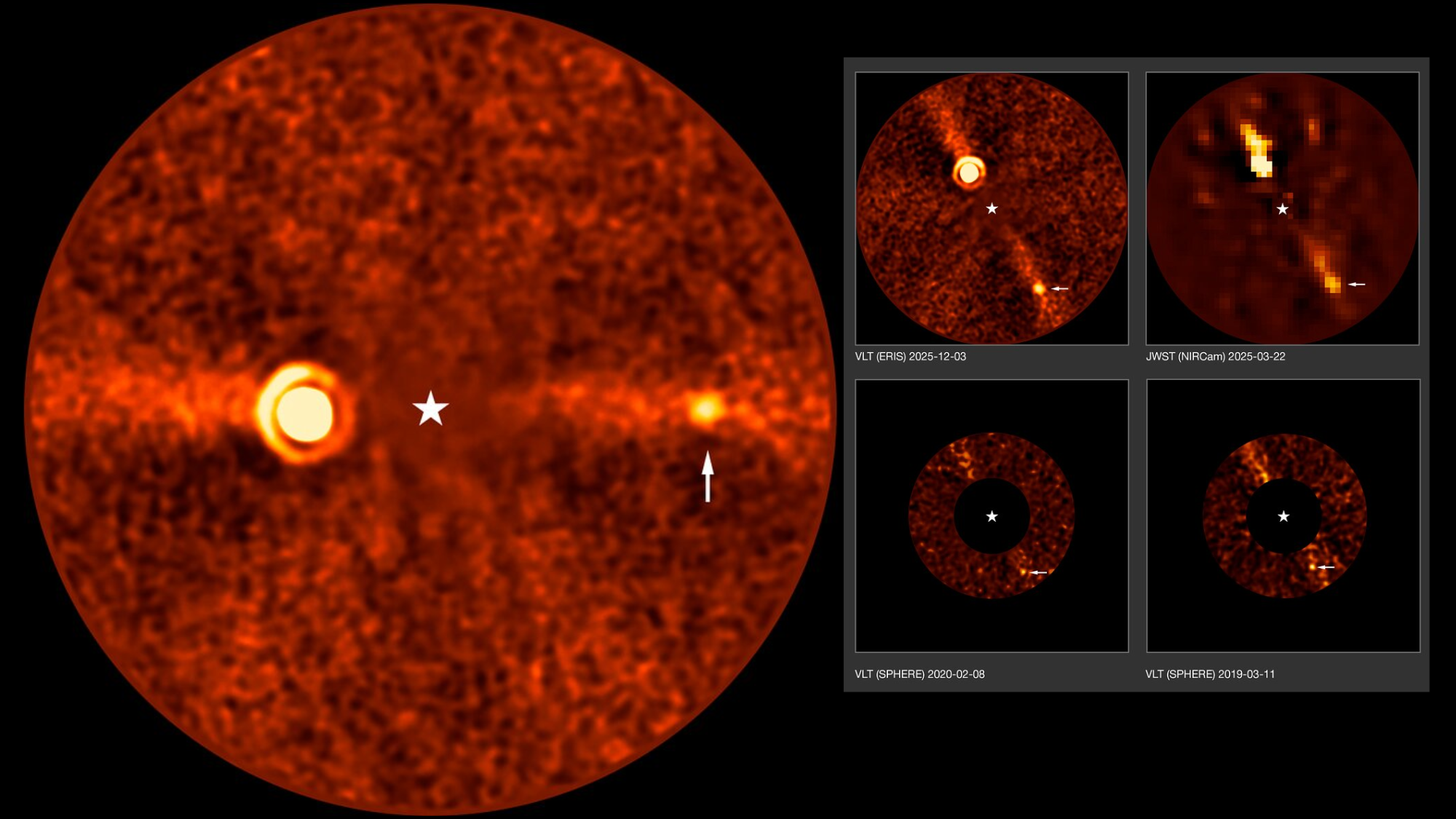
Beta Pictoris d becomes faintest exoplanet directly imaged from Earth
Satellite Ops1 min

Beta Pictoris d becomes faintest exoplanet directly imaged from Earth

Astronomers directly imaged Beta Pictoris d, an exoplanet 63 light-years away that marks the faintest world ever seen from Earth using this method. The discovery came after more than a decade of archival work -- the team initially studied the system's known planet Beta Pictoris b but spotted signs of a third world hiding in old data. Beta Pictoris d is a gas giant with about 2.4 times Jupiter's mass, making it one of the lightest exoplanets ever directly imaged from ground telescopes, and its location and mass solve a long-standing puzzle about the system's dust and debris disk. The Beta Pictoris system now becomes only the second known system with multiple directly imaged planets, after HR 8799. Direct imaging of exoplanets remains rare -- fewer than 100 of NASA's over 6,000 cataloged exoplanets have been discovered this way, since it requires isolating a planet's thermal glow from its star's glare. The finding suggests other faint planets may be waiting in similar systems, and upcoming instruments like the Extremely Large Telescope in Chile could reveal them. The team published the work in The Astrophysical Journal Letters on July 15.

Starlink satellites performed over 355,000 collision avoidance maneuvers in past year
Satellite Ops1 min

Starlink satellites performed over 355,000 collision avoidance maneuvers in past year

SpaceX's Starlink constellation performed over 355,000 collision avoidance maneuvers in the past year, with each satellite dodging debris and other spacecraft roughly weekly on average, according to the company's latest Federal Communications Commission filing. The maneuvers jumped nearly 60 percent in the most recent six-month reporting period, driven by Starlink's expansion from about 6,000 satellites in 2024 to more than 10,000 as of June 2026. Space sustainability experts warn the trend is unsustainable: as orbital traffic multiplies, the cumulative risk of an actual collision climbs despite individual avoidance maneuvers reducing collision probability to one in a million. Hugh Lewis, an astronautics professor at the University of Birmingham, projects Starlink alone will hit one million lifetime avoidance maneuvers by June 2027, and could perform that many annually by 2030. The core problem, Lewis and other experts note, is that adding satellites doesn't increase collision pairs linearly -- it multiplies them. SpaceX's autonomous system initiates maneuvers when collision probability exceeds 3 in 10 million, but Tommaso Sgobba of the International Association for the Advancement of Space Safety points out that trajectory predictions carry large uncertainties, meaning satellites frequently dodge "ghosts" and waste fuel. Regulators should require operators to forecast avoidance maneuver needs before approving constellation expansions, Sgobba argues, rather than reacting after the fact.

NASA Armstrong scales flight testing with subscale aircraft platforms
Space Policy1 min

NASA Armstrong scales flight testing with subscale aircraft platforms

NASA's Dale Reed Subscale Flight Research Laboratory at Armstrong Flight Research Center uses small remotely piloted and autonomous aircraft to test innovative aerospace concepts at reduced cost and risk. The lab operates several platforms including the Alta-X quadrotor, the 10-foot-wingspan DROID, and the 14-foot Multi-Use Cub to mature experimental ideas before full-scale flight. This approach has supported missions ranging from wildfire detection systems to parachute testing for Mars landers, with recent work demonstrating how flexible sensors can improve supersonic parachute design and how automated collision avoidance can prevent crashes in both military jets and general aviation aircraft. The laboratory combines rapid prototyping with advanced manufacturing and traditional fabrication to build test structures and integrate custom components. Recent projects include testing an Automatic Ground Collision Avoidance System on the DROID, work now being licensed for commercial development, and continued refinement of the Prandtl-D flying-wing glider design, which demonstrated drag reduction through twisted wing geometry. The facility's integrated approach to design, fabrication, testing, and safety validation allows researchers to advance aeronautics and exploration concepts that would be too expensive or risky to test on full-scale aircraft.

Space Force chief Saltzman warns of orbital war risks in farewell address
LEO Services1 min

Space Force chief Saltzman warns of orbital war risks in farewell address

Gen. Chance Saltzman, the outgoing chief of the U.S. Space Force, warned at the Global Air & Space Chiefs' Conference in London on July 15 that orbital conflict would expose satellites from every nation, and argued that the best deterrent is building military forces capable of fighting and winning in space. Saltzman's address capped nearly four years leading the service, during which the Space Force shifted focus from its early identity as a support function toward explicit preparation for combat against China and Russia, emphasizing what the service calls "space control" -- protecting allied access to orbit while denying adversaries the benefits of their own space systems. Saltzman rejected the idea that deterrence can be achieved through declarations alone, instead contending that military capability itself creates deterrent effect. He stressed that satellites operate across shared orbital regimes without regard to national boundaries, making multinational military cooperation essential and terming space "the ultimate team sport." He acknowledged that some persistent challenges -- acquisition speed, interoperability among allied systems, and classified information sharing -- cannot be permanently solved but must be managed. His nominated successor, Lt. Gen. Douglas Schiess, would become the third chief of space operations if confirmed by the Senate.

Commercial Space Federation launches state council to coordinate U.S. space capacity
LEO Services1 min

Commercial Space Federation launches state council to coordinate U.S. space capacity

The Commercial Space Federation launched a State and Local Council in July 2026 to coordinate regional space economies toward national capacity goals. Four founding members -- the Texas Space Commission, Arizona Space Commission, Space Florida, and Space Northwest -- joined to address shared challenges in launch capability, infrastructure, supply chains, and workforce scaling. The move reflects recognition that individual states building space economies in parallel cannot meet the nation's growing demand or compete effectively against global rivals without coordinated investment and strategic alignment. The Council operates as a connector between state and regional organizations, federal policymakers, and commercial space companies. Members gain access to briefings on federal priorities, appropriations, and regulatory shifts, plus direct industry links for companies evaluating expansion and supply-chain partnerships. By mapping regional strengths against national gaps, the Council aims to reduce redundancy and single points of failure in critical capabilities, strengthening U.S. industrial base resilience in commercial space operations.

SOAR partners with University of Texas on passive small debris capture system
LEO Services1 min

SOAR partners with University of Texas on passive small debris capture system

SOAR, a Florida startup founded in 2025, announced a partnership with the University of Texas at El Paso to develop a passive system for capturing small space debris measuring 10 centimeters or smaller. The Passive Orbital Debris Removal System (PODRS) uses a rotating multi-panel structure with layered shielding to intercept debris traveling at speeds exceeding 7,000 miles per hour. Current space tracking networks focus on objects larger than 10 centimeters, leaving a growing blind spot as satellite constellations expand in low Earth orbit. UTEP's National Security Institute will lead the design work, with the team analyzing which high-consequence orbits to target for debris removal rather than attempting comprehensive cleanup. European Space Agency models estimate more than 140 million objects smaller than 10 centimeters currently orbit Earth. Funding remains a historical obstacle to debris removal efforts, though military dependence on LEO capabilities and the potential for debris creation during anti-satellite conflicts could drive demand for cleanup solutions.

Satellite investment hits record $8.1 billion in first half of 2026
LEO Services1 min

Satellite investment hits record $8.1 billion in first half of 2026

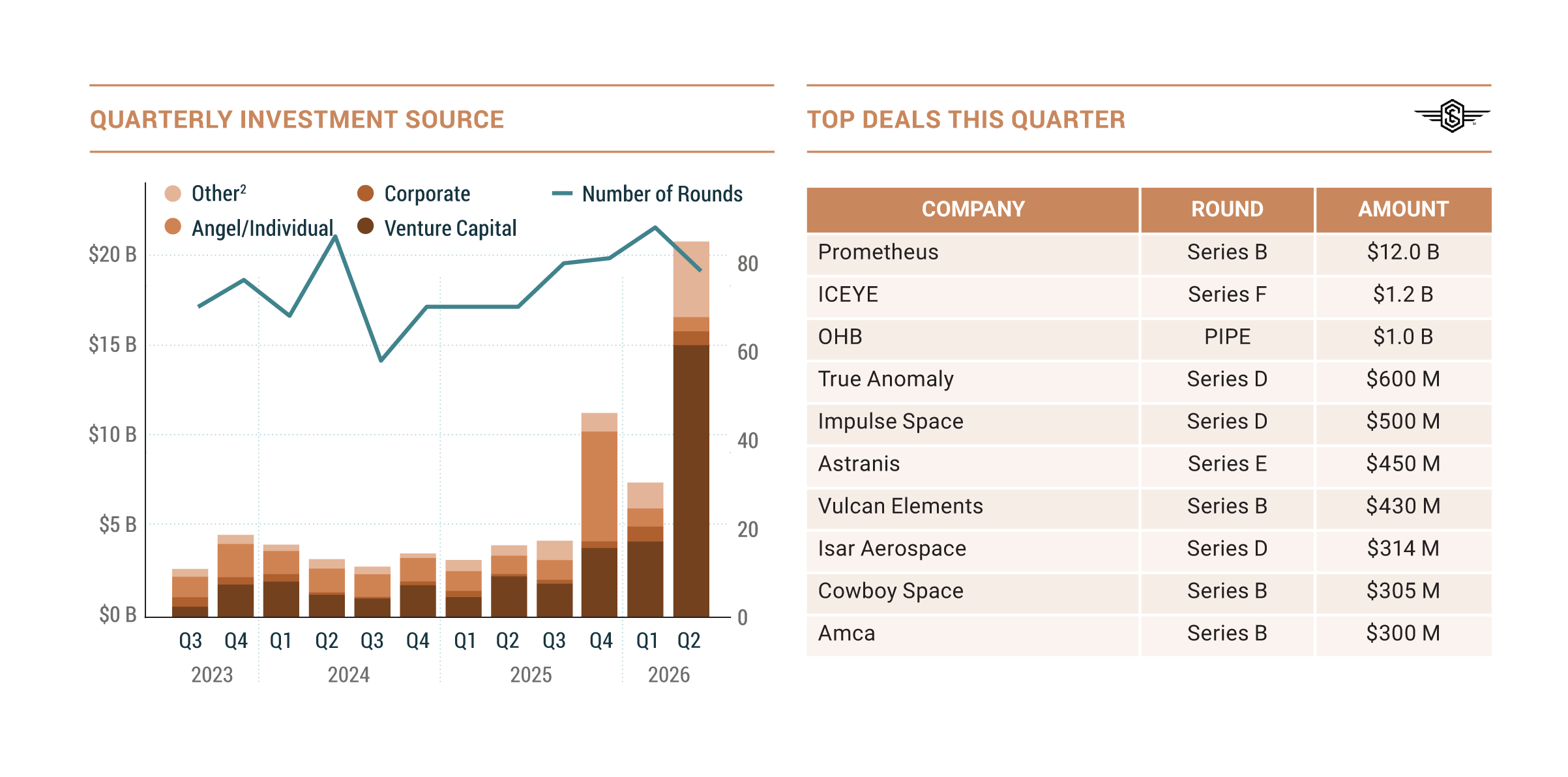
Investment in satellite and space infrastructure companies hit $8.1 billion in the first half of 2026, already exceeding any prior full-year total tracked by early-stage investor Space Capital. Finnish radar-imaging operator Iceye led satellite-focused funding by raising $1.2 billion in Series F capital to expand production amid NATO demand. The broader space sector -- including infrastructure, distribution, and applications -- pulled in $67.7 billion during the same period, surpassing all of 2025 and setting a new annual record. The funding surge reflects a shift in how the space economy is structured and financed. SpaceX's June IPO generated $85.7 billion in proceeds at a $1.8 trillion valuation, unlocking major liquidity and enabling the company to acquire Cursor for $60 billion in stock. Space Capital reports that standalone launch companies will likely decline as firms like Rocket Lab move into satellite operations, while infrastructure companies are maturing faster through funding rounds. Still, only 19 of 722 infrastructure companies that raised seed funding since 2009 have reached Series E, though the main bottleneck has recently shifted from after Series C to between Series D and E.

Starship Flight 13 to deploy 20 production Starlink V3 satellites on suborbital test
Launches1 min

Starship Flight 13 to deploy 20 production Starlink V3 satellites on suborbital test

SpaceX will launch Starship Flight 13 on Thursday evening from its Starbase facilities in Texas, deploying 20 production Starlink V3 satellites during the suborbital test flight. The mission uses Booster 20 and Ship 40, both flying for the first time without recovery plans. The satellites will briefly connect to the broader Starlink constellation via high-capacity lasers before demising on reentry about 20 minutes after deployment, marking the first flight test of the long-promised V3 generation. Flight 13 aims to accomplish goals that eluded the May Flight 12, including a Raptor engine relight during coast phase and a controlled booster landing in the Gulf of Mexico. SpaceX made hardware modifications to address engine startup issues and reliability problems from the previous flight, and will also gather heat shield data with new tile attachments and load-sensing instruments. CEO Gwynne Shotwell told CNBC in June that an orbital launch could come as soon as Flight 14 depending on this mission's results, with a monthly cadence as the target. NASA is counting on SpaceX to reach orbit soon, as a modified Starship V3 is slated to support testing on the Artemis 3 mission next year.

SpaceX to launch 21 SDA communications satellites from Vandenberg
Launches1 min

SpaceX to launch 21 SDA communications satellites from Vandenberg

SpaceX is launching 21 communications satellites for the Space Development Agency's Proliferated Warfighter Space Architecture constellation aboard a Falcon 9 from Vandenberg Space Force Base on Thursday at 1:32 p.m. PDT. These satellites form part of the Tranche 1 Transport Layer, designed to provide secure military communications across the U.S. and allied forces. This is the third operational batch from the SDA's larger constellation, which also includes missile-tracking and navigation layers. The mission uses booster B1103 on its fourth flight, targeting a landing on the droneship Of Course I Still Love You. York Space Systems built this batch, continuing its role as the first manufacturer to complete production for Tranche 1. The full T1TL constellation will eventually contain 126 transport layer satellites alongside 28 tracking layer satellites and four missile defense demonstration spacecraft, managed from operations centers at Grand Forks Air Force Base and Redstone Arsenal. The SDA originally targeted a September 2024 launch window, but payload delays pushed the schedule back by a year.

NASA accelerates Artemis III hardware assembly for 2027 crewed launch
Satellite Ops1 min

NASA accelerates Artemis III hardware assembly for 2027 crewed launch

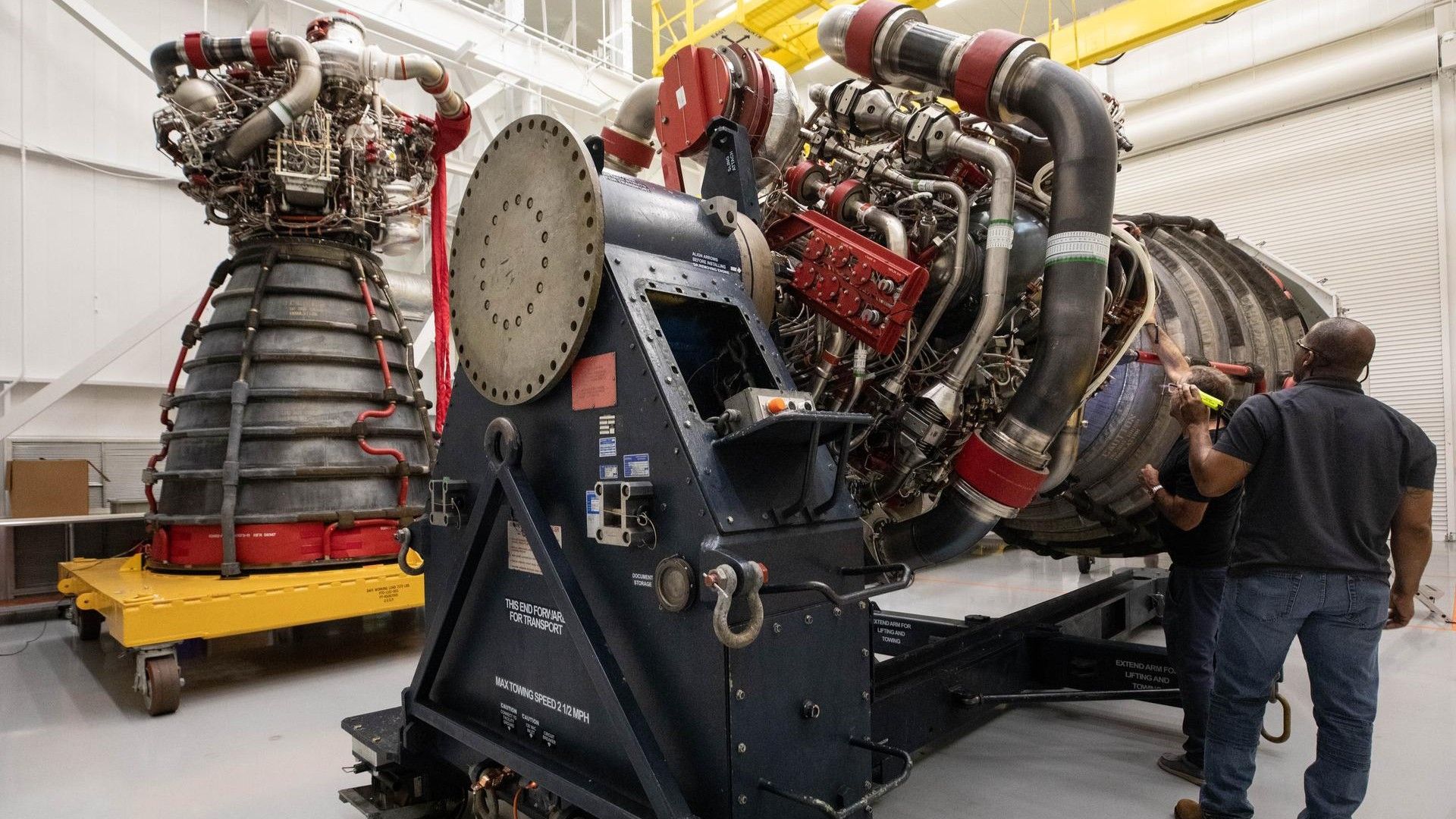
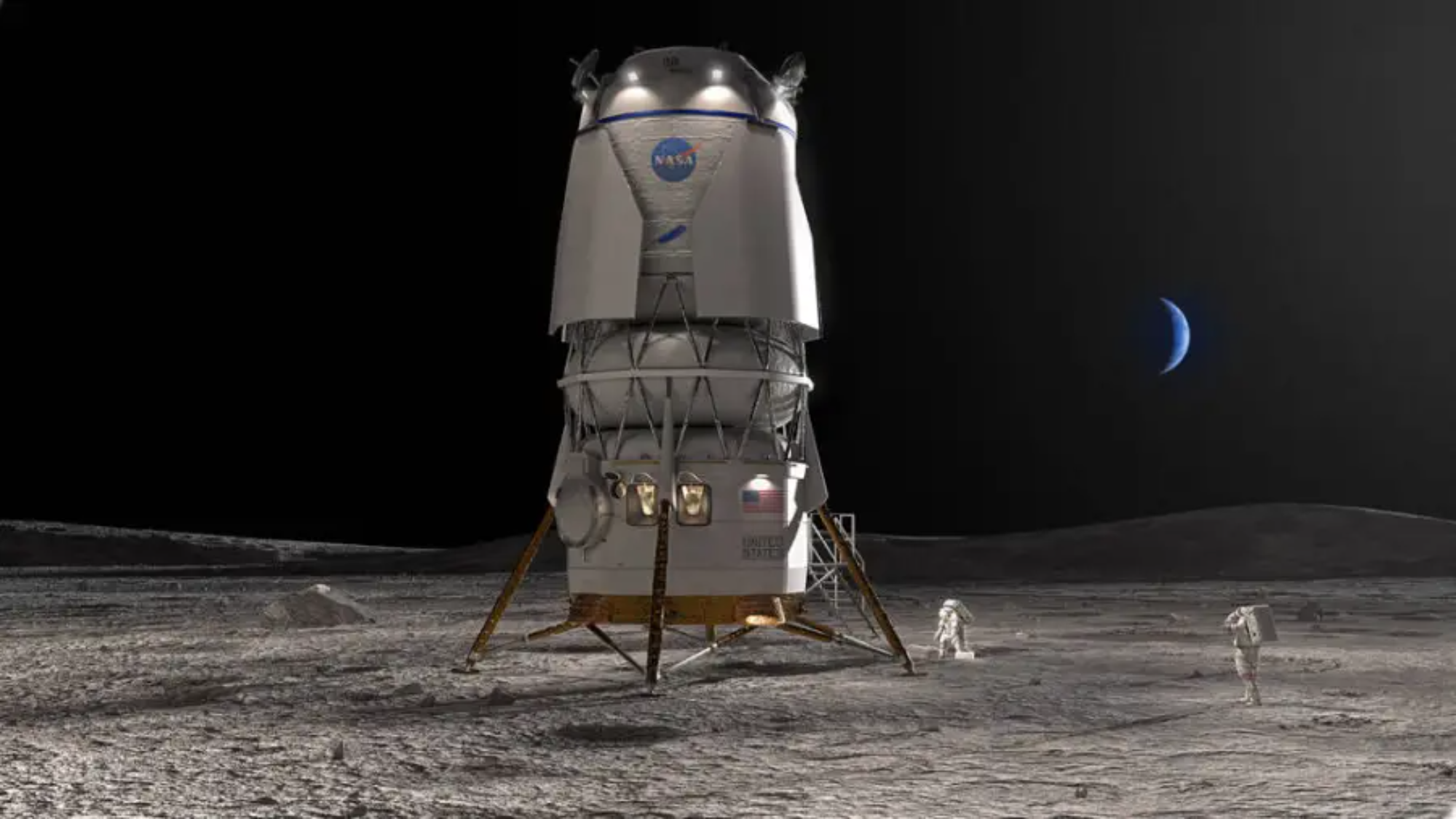
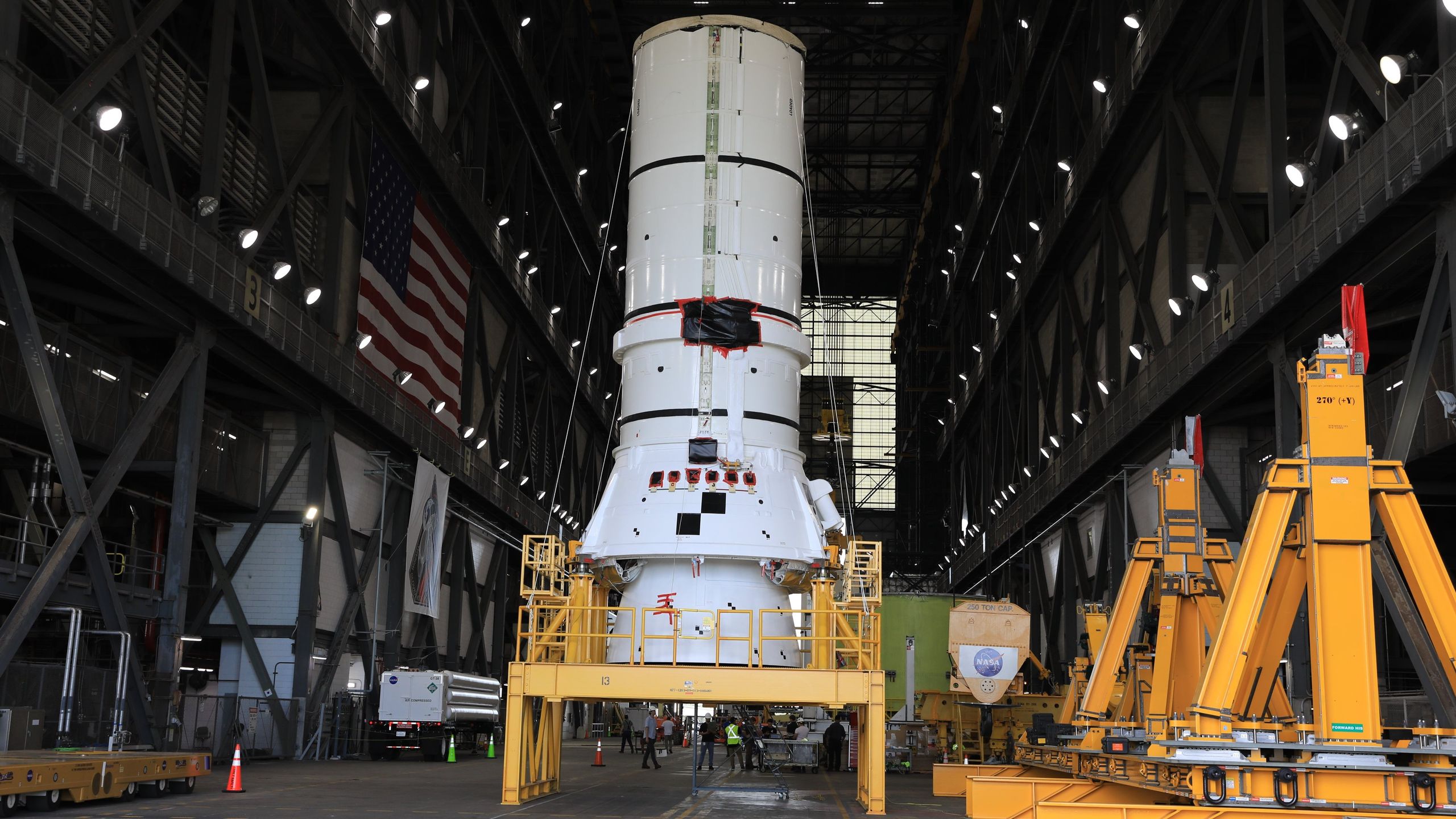
NASA is accelerating assembly and testing of hardware for Artemis III, targeting a mid-to-late 2027 launch of four astronauts aboard Orion. The mission will conduct rendezvous and docking operations in low Earth orbit with two commercial lunar landers -- SpaceX's Starship and Blue Origin's Blue Moon -- rather than landing on the moon itself. This crewed flight represents a critical step in NASA's lunar architecture ahead of the actual surface landing planned for Artemis IV in late 2028. At Kennedy Space Center, the Space Launch System rocket is taking shape with the core stage already in the Vehicle Assembly Building and connected to its engine block as of May. Four RS-25 engines will be installed once deliveries complete, followed by integration with the mobile launch platform. Solid rocket booster segments have arrived and are being mounted, while the Orion spacecraft's heat shield installation is complete -- the first upgraded design incorporating lessons from Artemis I's unexpected heat shield wear. Mission control teams have begun monthly launch simulations covering propellant loading, terminal count procedures, and launch day operations, with testing to continue regularly through 2027.

Rocket Lab completes full-duration burn of Archimedes engine for Neutron debut
Satellite Ops1 min

Rocket Lab completes full-duration burn of Archimedes engine for Neutron debut

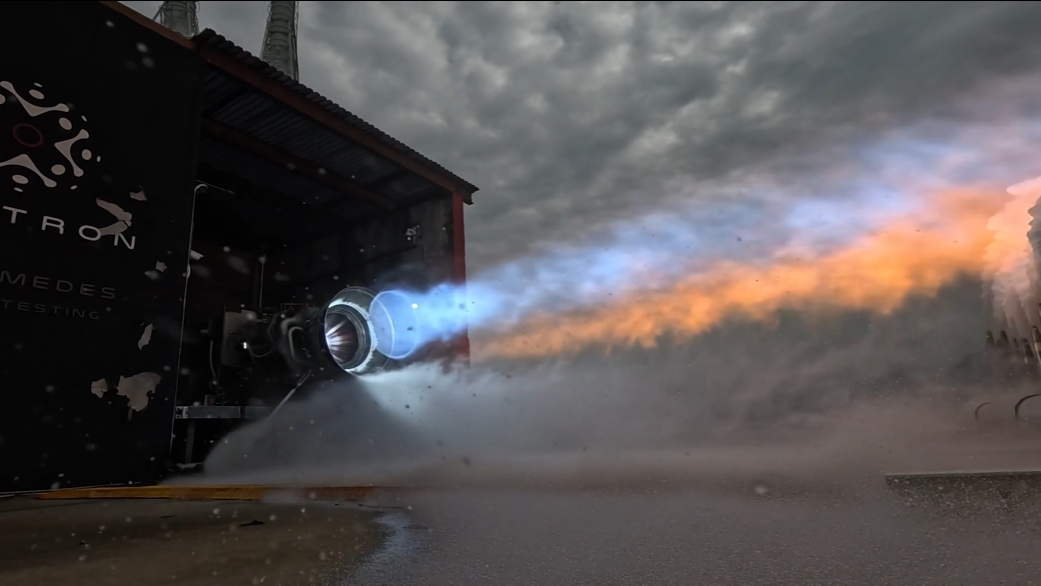
Rocket Lab completed a full-duration burn of its Archimedes engine at NASA's Stennis Space Center in Mississippi, marking a critical qualification test for the engine that will power the company's next-generation Neutron launch vehicle. The test lasted just under 5.5 minutes and simulated flight-like conditions, clearing a major hurdle before Neutron's first stage integration. This progress comes as Rocket Lab continues regular Electron launches while pushing toward Neutron's debut, though the company has shifted its target to the first half of 2026 after encountering setbacks including a main stage tank rupture during pressure testing in January. Neutron's first stage will carry eight Archimedes engines producing nearly 1.5 million pounds of combined thrust at liftoff, with each engine's output comparable to SpaceX's Falcon 9 Merlin engines. The first stage is designed for reusability, capable of returning to the launch site or a droneship. The second stage uses a single vacuum-optimized Archimedes variant with an extended nozzle that produces 20 percent more thrust in vacuum. Neutron's payload fairings employ a unique "Hungry Hippo" design where halves separate like a clam shell, allowing the second stage to emerge and provide final orbital insertion.

Erythrulose sugar detected in interstellar molecular cloud for first time
Satellite Ops1 min

Erythrulose sugar detected in interstellar molecular cloud for first time

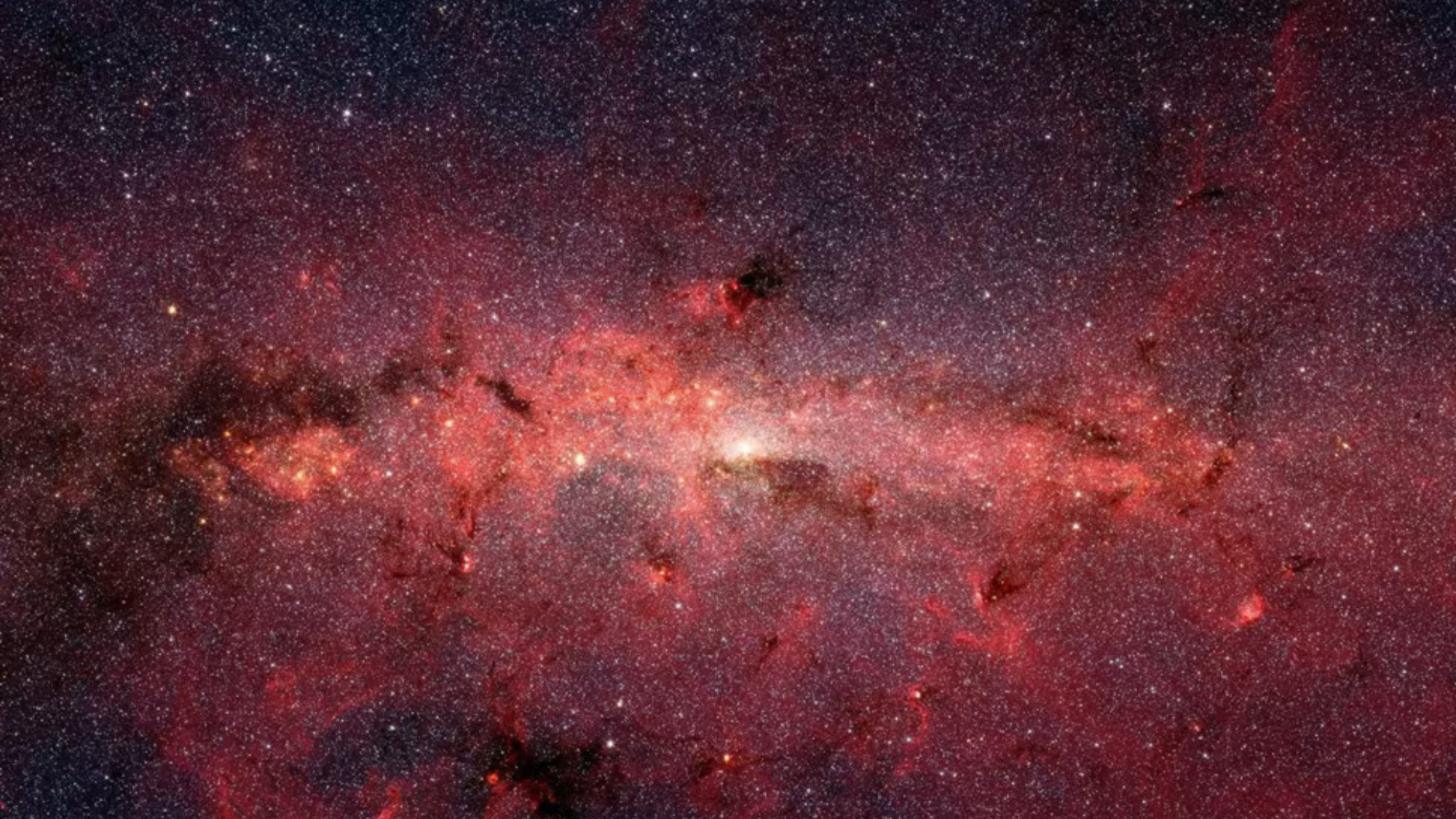
Researchers detected erythrulose, a four-carbon sugar, in a molecular cloud near the galactic center -- the first time a "true sugar" has been found in the interstellar medium. The discovery matters because erythrulose can convert into the building blocks of nucleic acids like RNA and DNA, suggesting that sugars capable of supporting life can form naturally in space. A study published July 13 in Nature Astronomy, led by astronomer Izaskun Jiménez-Serra at Spain's Center for Astrobiology, establishes that these organic compounds exist in the gas and dust between star systems. The finding opens the possibility of discovering other life-critical sugars like ribose in interstellar space. While sugar-like compounds have been detected in meteorites and asteroid samples before -- including material from NASA's OSIRIS-REx mission to asteroid Bennu -- this marks the first confirmed detection in the interstellar medium itself. If erythrulose formed in the molecular clouds where planets and stars are born, it could have hitched rides on asteroids and comets that collided with young planets billions of years ago, potentially seeding the chemical ingredients for early life on Earth.

Perseverance rover finds record of ancient asteroid impacts in Jezero Crater rim rocks
Space Policy1 min

Perseverance rover finds record of ancient asteroid impacts in Jezero Crater rim rocks

NASA's Perseverance rover has identified evidence that a 245-foot-thick stack of ancient rock on the rim of Jezero Crater was built by repeated asteroid impacts over billions of years. The rock sequence, called the "Broom Point member," dates to more than 3.9 billion years ago and represents one of the oldest terrains examined by a Mars rover. Findings published Wednesday in the Journal of Geophysical Research: Planets reveal six distinct rock types alternating between impact breccias and fine-grained pulverized dust, with glassy beads similar in size to those ejected by Earth's dinosaur-killing Chicxulub impact. The preservation of this ancient impact record on Mars provides insight into the early solar system's turbulent history in ways Earth's crust cannot, since plate tectonics have erased our own earliest geological record. Scientists believe two major impacts shaped this landscape: the colossal collision that created the 1,200-mile-wide Isidis Basin tilted the original rock layers steeply, and a later impact that formed Jezero Crater fractured and uplifted them further. Perseverance collected two core samples -- "Bell Island" and "Main River" -- that could be returned to Earth by a future mission for precise dating of when these impacts occurred. Determining the timing of early Mars impacts would effectively reveal the impact history of the young Earth as well, since both planets experienced the same bombardment during the solar system's violent early period.

Soyuz MS-29 brings NASA astronaut Menon, two cosmonauts to space station
Space Policy1 min

Soyuz MS-29 brings NASA astronaut Menon, two cosmonauts to space station

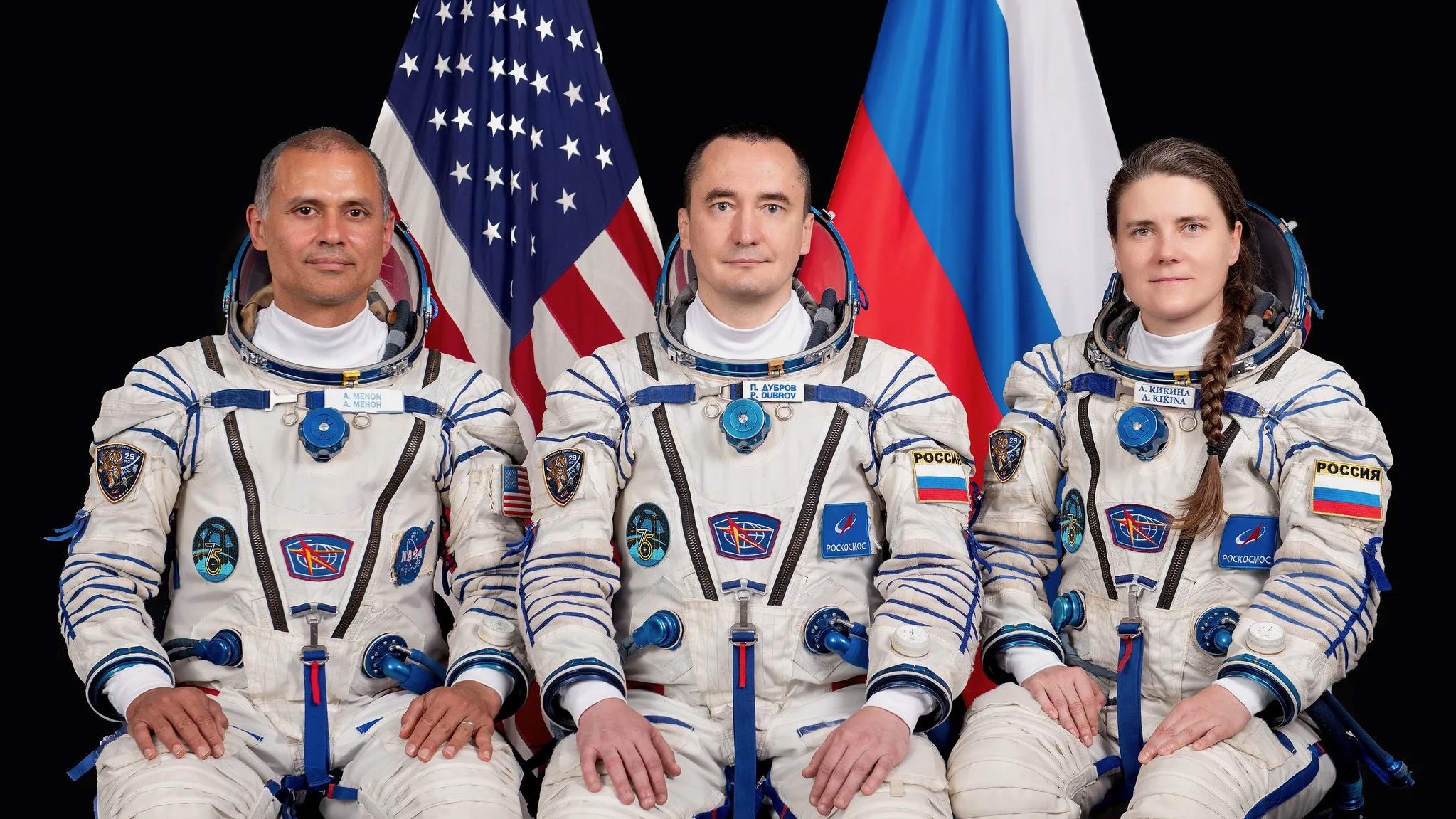
NASA astronaut Anil Menon and Roscosmos cosmonauts Pyotr Dubrov and Anna Kikina launched aboard Soyuz MS-29 on July 14, 2026, from Baikonur Cosmodrome and docked with the International Space Station three hours and two orbits later at the Prichal module. The arrival brought the station's crew to 10 people and marked the beginning of Menon's stay conducting scientific research focused on advancing human spaceflight capabilities and Earth-based applications. Menon will lead work on semiconductor crystal production in microgravity for high-performance computing and medical devices, perform ultrasound procedures using augmented reality and AI, serve as a test subject for blood flow studies in space, and test bioprinting vascular constructs to better understand aging. The crew change comes ahead of Expedition 75, which begins July 26 when three crew members depart after an eight-month mission.

Roman telescope expected to detect 100 tidal disruption events per year in early universe
Space Policy1 min

Roman telescope expected to detect 100 tidal disruption events per year in early universe

NASA's Roman Space Telescope, scheduled to launch Aug. 30, 2026, will detect distant supermassive black holes up to 11 billion years old by observing tidal disruption events — moments when black holes shred and consume stars, causing them to brighten dramatically. Researchers led by Mitchell Karmen at Johns Hopkins University modeled how Roman's High-Latitude Time-Domain Survey can identify these transient events across cosmic history, providing crucial data on how supermassive black holes form and grow. The work, published in The Astrophysical Journal, addresses a major mystery: how truly enormous black holes existed so early in the universe that current theories struggle to explain their rapid formation. Roman observes near-infrared wavelengths, which allows it to detect tidal disruption events whose light has been stretched by cosmic expansion — making it sensitive to events from 8 to 11 billion years ago. The team forecasts Roman will detect roughly 100 tidal disruption events per year, far fewer than the ground-based Vera C. Rubin Observatory (which will find thousands to tens of thousands annually in visible light) but at much greater distances and earlier cosmic times. Roman's observations will help distinguish between competing theories of black hole origins: the "light seeds" model, where black holes grow from stellar-mass seeds through mergers and accretion, and the "heavy seeds" model, which proposes they form directly from collapsing gas clouds at much higher initial masses.

Japan targets 30 annual launches by early 2030s despite recent vehicle setbacks
LEO Services1 min

Japan targets 30 annual launches by early 2030s despite recent vehicle setbacks

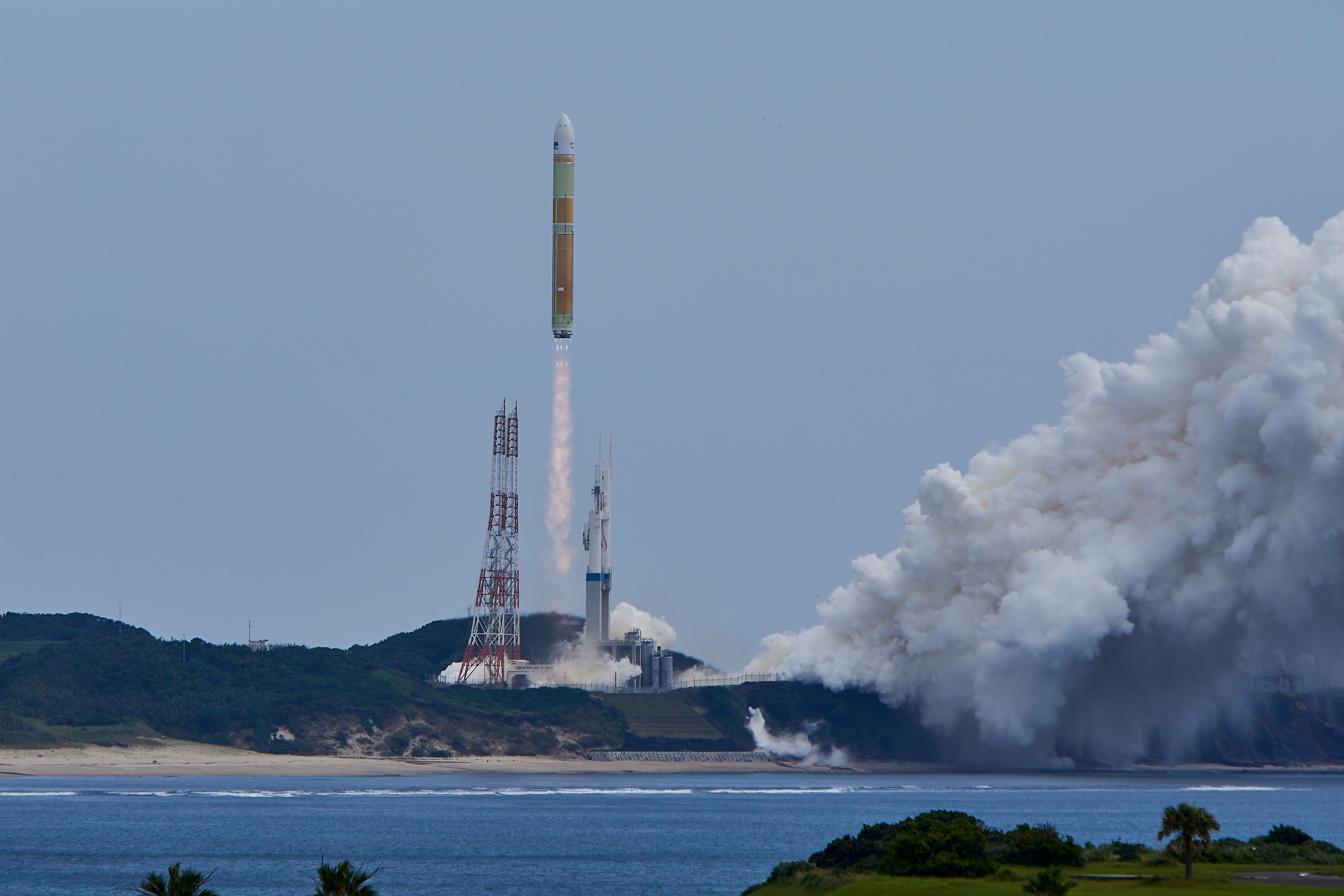
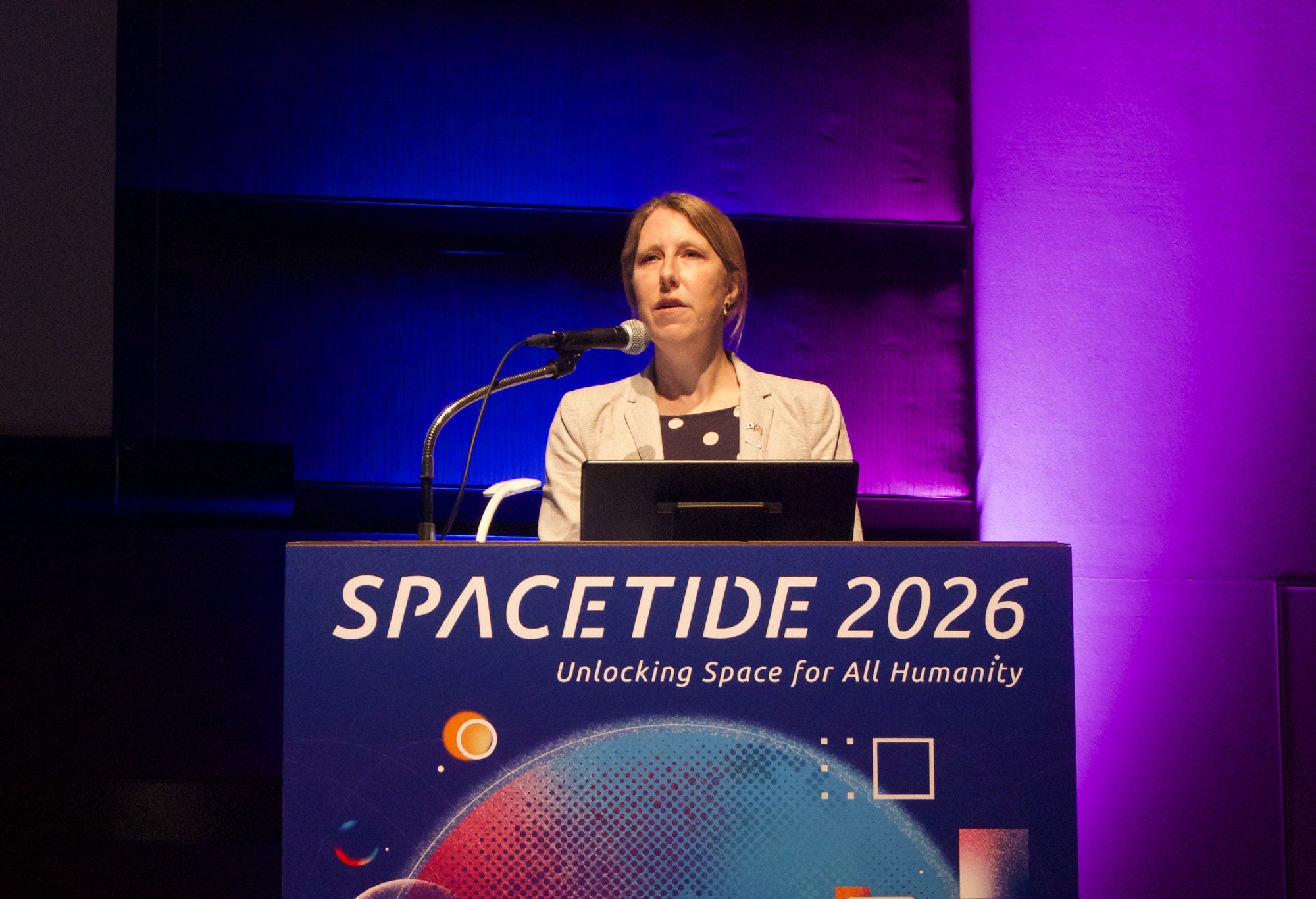
Japan's government has set a target of 30 orbital launches per year by the early 2030s, a significant increase from the two launches conducted so far this year. Officials presented the goal at the Spacetide conference in Tokyo, linking it to plans for increasing the domestic launch rate from 50% to 60-70% of Japanese satellites. The ambition faces immediate challenges: the H3 rocket achieved a return-to-flight test in June after a failed December launch, while Space One's Kairos small-lift vehicle has failed all three of its orbital attempts, though the company says it will continue launching. Reaching 30 launches annually will require investment across Japan's supply chain and support from both the government and private sector, according to Space One executives and government officials at the conference. The plan includes hosting foreign launch providers at facilities like the Hokkaido spaceport under development by Space Cotan, where Firefly Aerospace recently agreed to study operations for its Alpha rocket. Japanese government officials indicated they would pursue regulatory reforms to streamline licensing and licensing processes to enable higher launch rates, while positioning the government as an anchor tenant for commercial launch services similar to NASA's approach with cargo and crew missions.

Soyuz MS-29 reaches ISS as NASA Administrator Isaacman attends Baikonur launch
LEO Services1 min

Soyuz MS-29 reaches ISS as NASA Administrator Isaacman attends Baikonur launch

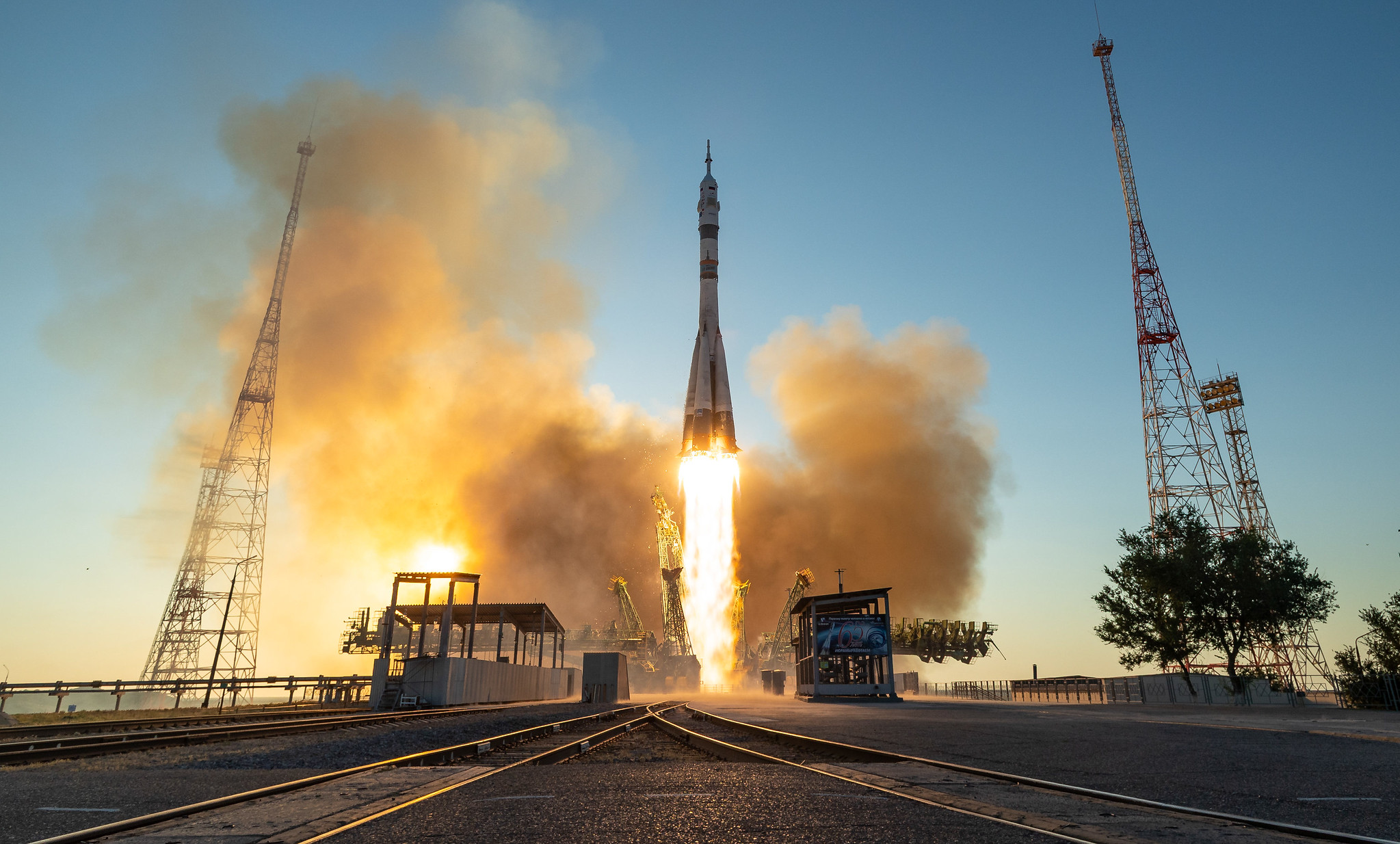
A Soyuz-2.1a rocket launched from Baikonur Cosmodrome on July 14, delivering cosmonauts Pyotr Dubrov and Anna Kikina and NASA astronaut Anil Menon to the International Space Station for an eight-month mission. NASA Administrator Jared Isaacman attended the launch in person, marking the first time a sitting NASA administrator has witnessed a Soyuz launch at Baikonur since October 2018. Isaacman's attendance was notable given that Menon is married to Anna Menon, who flew with Isaacman on the Polaris Dawn private mission in 2024. The Soyuz MS-29 spacecraft docked with the station's Prichal module about three hours after launch. According to Russian media, Roscosmos Director General Dmitry Bakanov met with Isaacman before the launch and announced that Roscosmos has committed to continuing ISS operations through 2030 instead of the previously scheduled 2028 retirement date. The agencies also agreed in principle to continue bartering seats between Soyuz and commercial crew vehicles to maintain crew redundancy and agreed to improve coordination of satellite constellations to avoid collisions. Isaacman also met with Russian deputy prime minister Denis Manturov to discuss potential cooperation between future commercial space stations and Russia's proposed successor to the ISS.

Hernandez-Baquero and Mason back closer Space Force-NRO coordination at Senate hearing
LEO Services1 min

Hernandez-Baquero and Mason back closer Space Force-NRO coordination at Senate hearing

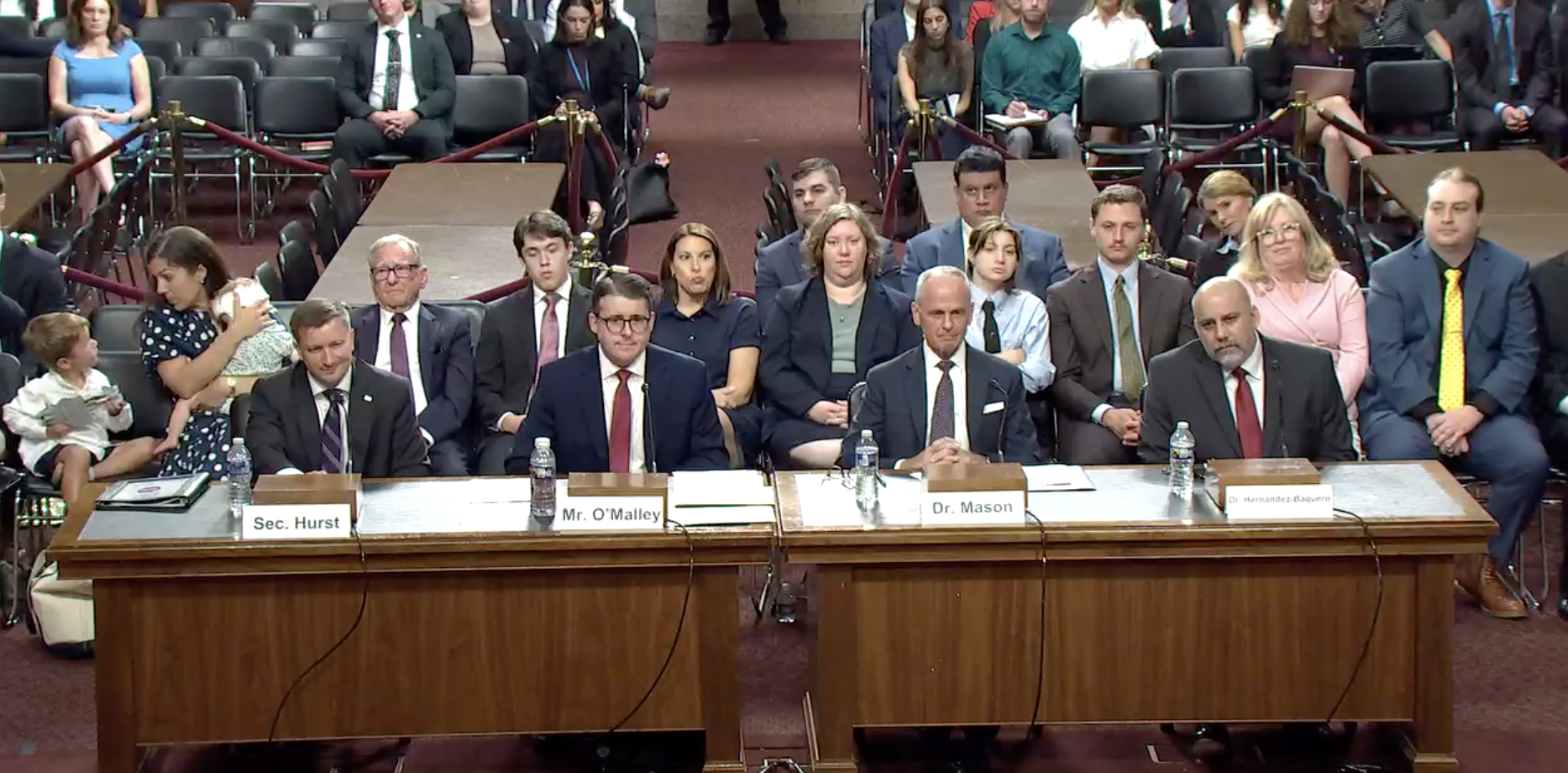
Trump administration nominees for two key national security space positions testified before Congress on July 14, endorsing closer coordination between the Space Force and intelligence agencies while calling for faster military space acquisitions and greater use of commercial technology. Erich Hernandez-Baquero, nominated as the Air Force's top civilian space acquisition official, and Roger Mason, the president's choice to lead the National Reconnaissance Office, appeared before the Senate Armed Services Committee. Hernandez-Baquero would oversee the Department of the Air Force's space acquisition enterprise, a post vacant since January 2025. Mason would replace Christopher Scolese at the NRO, which left on July 10 after leading the agency since 2019. Both nominees emphasized integrating commercial satellite capabilities into military and intelligence architectures rather than treating them as supplements to government-owned systems. Hernandez-Baquero identified space-based air moving-target indicator systems as a priority and said his focus would include acquisition reform, workforce rebuilding, and leveraging the Space Force's new Portfolio Acquisition Executives structure to reduce integration risks across satellites, ground systems and networks. Mason said the NRO's next-generation architecture would need to combine proliferated constellations of smaller satellites, large specialized spacecraft and commercial capabilities while protecting sensitive technology in partnerships with private companies. Hernandez-Baquero also flagged concern about legacy acquisition programs not built using modern digital engineering tools and said he would review their remaining work, costs and technical risks if confirmed.

Falcon 9 launches 27 Starlink V2 Mini satellites from Vandenberg
Launches1 min

Falcon 9 launches 27 Starlink V2 Mini satellites from Vandenberg

SpaceX launched 27 Starlink V2 Mini satellites into low Earth orbit Monday evening from Vandenberg Space Force Base. The Starlink 15-14 mission added to the company's constellation, which now includes more than 10,700 spacecraft in orbit. The Falcon 9 first stage booster, B1093, landed on the droneship "Of Course I Still Love You" roughly eight minutes after liftoff. B1093 completed its 15th flight, having previously launched the Transporter-16 rideshare mission, two Space Development Agency missions, and 11 other Starlink batches. The successful booster landing marked the 210th recovery on that particular droneship and the 637th booster landing overall for SpaceX.

SpaceX launches 600th flight-proven Falcon 9 booster, deploys 56 Starlink satellites
Satellite Ops1 min

SpaceX launches 600th flight-proven Falcon 9 booster, deploys 56 Starlink satellites

SpaceX launched two Falcon 9 missions within eight hours on July 13-14, deploying 56 Starlink satellites across two orbital planes from Vandenberg and Cape Canaveral. The second flight marked the 600th launch of a flight-proven Falcon 9 booster, a measure of SpaceX's reusable rocket cadence. Both missions recovered their first stages successfully, with booster B1080 completing its 28th flight and B1093 reaching its 15th. The launches added 56 satellites to SpaceX's operational constellation, bringing the total active Starlink count to 10,839 according to tracking data. SpaceX has now flown 83 Falcon 9 missions in 2024 to date. The reuse record for a single Falcon 9 first stage remains 36 flights.

Astronomers detect four white dwarfs hidden in red dwarf glare within 65 light-years
Satellite Ops1 min

Astronomers detect four white dwarfs hidden in red dwarf glare within 65 light-years

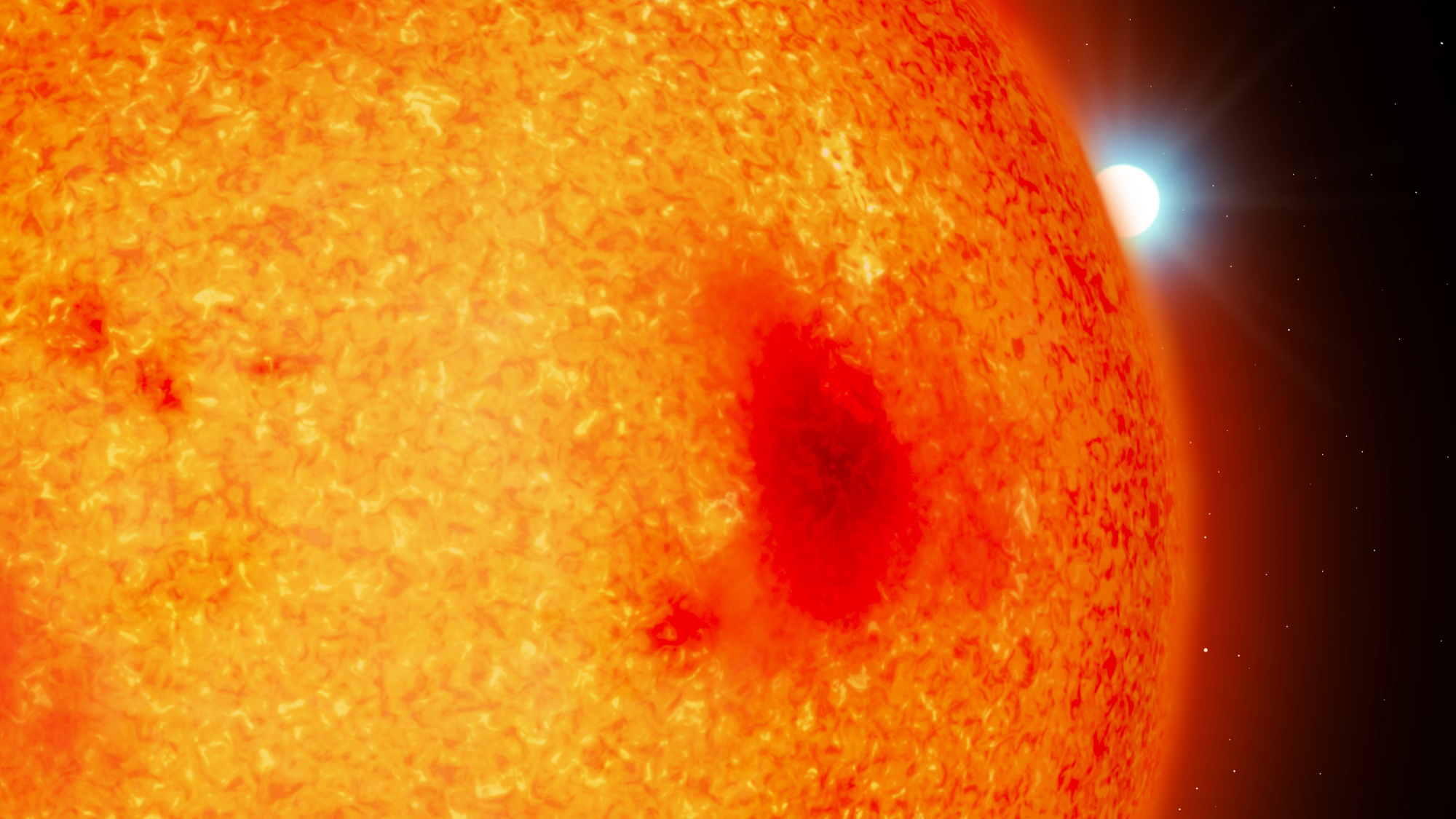
Astronomers detected four white dwarfs hidden in binary systems with red dwarf companions, all within 65 light-years of Earth. The team, led by Mairi O'Brien of the University of Warwick, used radial velocity measurements to spot telltale wobbles in the red dwarfs' motion, then confirmed the white dwarfs using ultraviolet observations from the Hubble Space Telescope. One of the systems, G 203-47 at 25 light-years away, ranks among the ten closest white dwarfs to our solar system. This marks the first detection of white dwarfs in nearby binary systems. The discovery validates theoretical predictions, which estimated four to five such pairs should exist within 65 light-years. G 203-47 shows unusual characteristics: its red dwarf companion rotates once every 100 days but orbits the white dwarf in 15 days, suggesting the pair underwent different evolutionary processes than similar systems. Only about 30 percent of red dwarfs within 20 parsecs have been systematically surveyed for white dwarf companions, and researchers estimate nine to ten additional hidden pairs may remain undiscovered in the local stellar neighborhood. The team published their findings in Monthly Notices of the Royal Astronomical Society on July 14.

The 1st of 10,000
Satellite Ops1 min

The 1st of 10,000

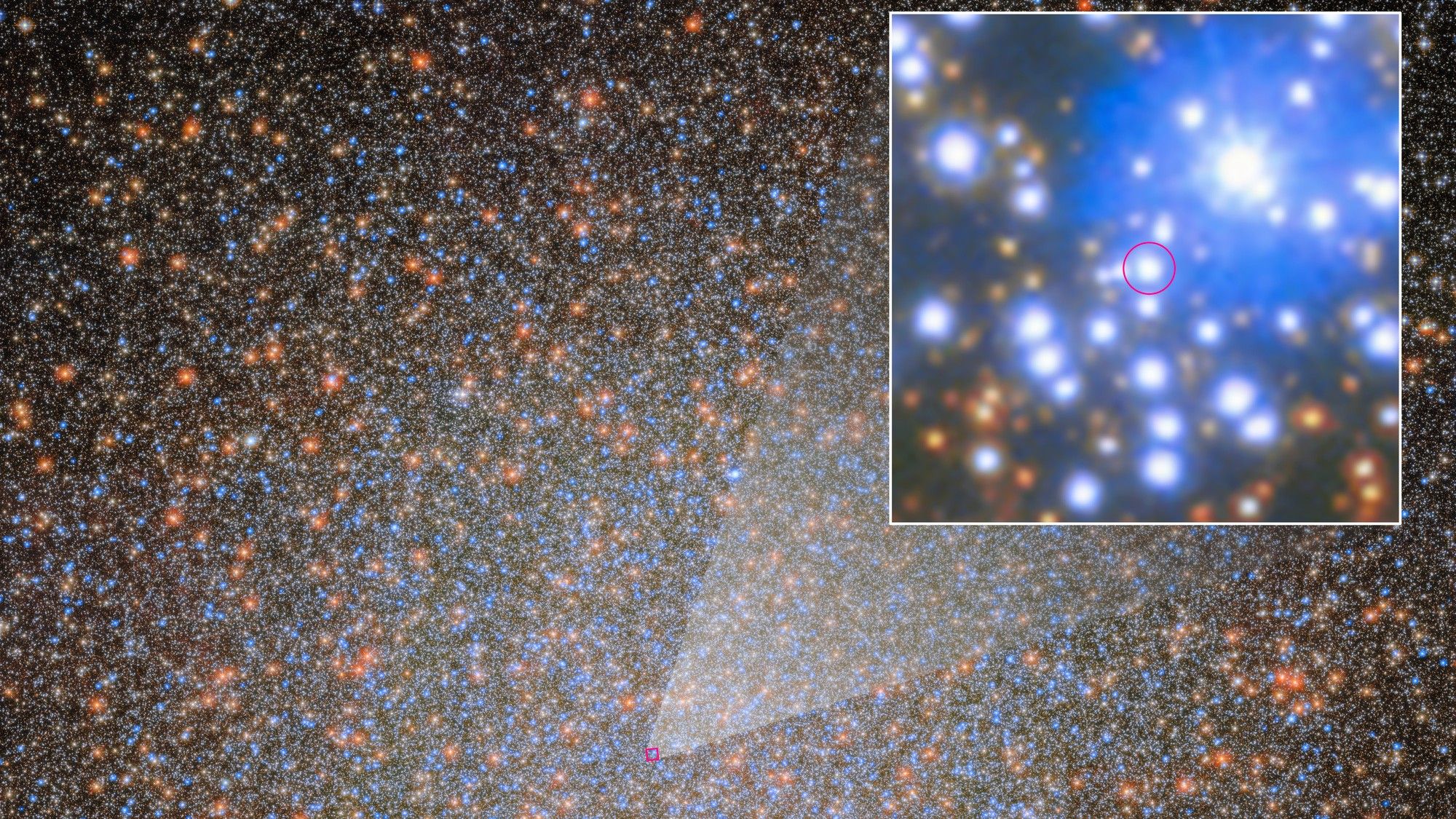
Hubble and the James Webb Space Telescope jointly discovered the first stellar-mass black hole in Omega Centauri, a massive globular cluster 18,000 light-years away. The black hole, called oMEGACat BH-2, was identified by tracking a companion star's motion using astrometry across 20 years of Hubble data plus supporting observations from JWST. The find matters because astronomers predict roughly 10,000 stellar-mass black holes inhabit Omega Centauri, yet this is the first one confirmed in a binary system—a long-standing gap in understanding these dense stellar environments. The black hole weighs 4.46 times the sun's mass, placing it in a mass range that has rarely appeared in gravitational-wave detections from mergers. Its companion star, 78% of the sun's mass, orbits the black hole over a 94-year cycle—the widest known separation for such a pairing. Matthew Whitaker's team at the University of Utah measured the black hole's gravity by observing how the star accelerated at closest approach. The discovery raises questions about how black holes form from low-metallicity stars like those in Omega Centauri, and suggests the Nancy Grace Roman Space Telescope, launching later this year, could help locate more such systems across the galaxy.

Portable X-ray device tested successfully aboard Fram2 mission, proving feasibility for space medical imaging
Satellite Ops1 min

Portable X-ray device tested successfully aboard Fram2 mission, proving feasibility for space medical imaging

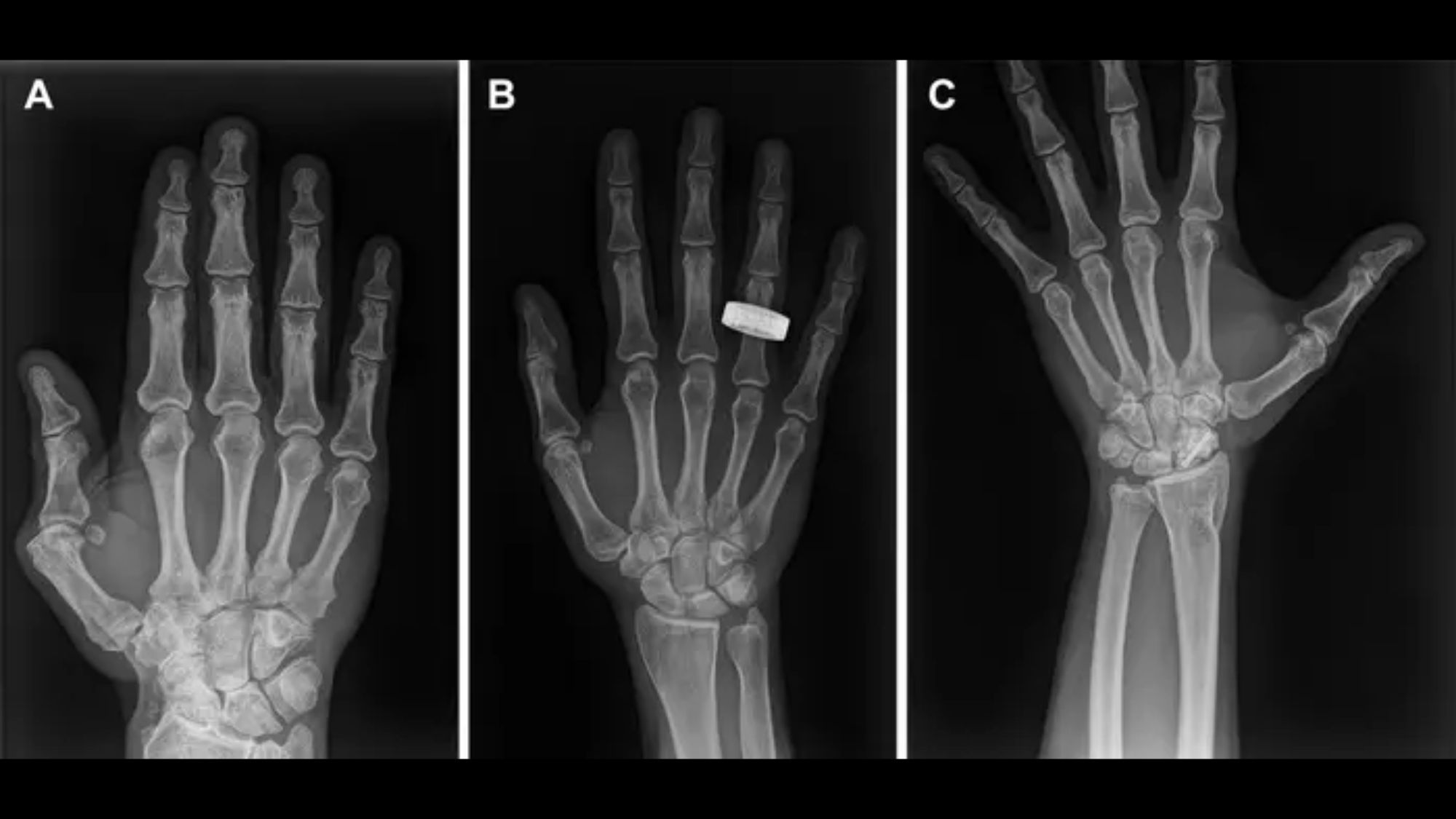
A portable X-ray device successfully operated in orbit for the first time, opening the door to diagnostic imaging for astronauts on lunar missions and beyond. On the March 31 Fram2 mission, four private astronauts with minimal training used an off-the-shelf portable X-ray machine aboard a SpaceX Crew Dragon to image a hand, chest, abdomen, pelvis, and other objects. Three independent medical experts compared the resulting digital images to ground-based X-rays and determined they were good enough to diagnose injuries like broken bones, despite being lower quality than Earth-based versions. The device also survived launch and reentry with only minor exterior damage. The Fram2 crew received just four hours of training before operating the device, and all reported it was easy to use. The findings, published in Radiology in July, demonstrate that portable X-ray systems can function reliably in microgravity and expand diagnostic capabilities for crew health and hardware inspection. Beyond human medicine, X-rays could inspect spacecraft electronics, spacesuits, and even be mounted on lunar rovers for surface analysis. Sheyna Gifford, an aerospace medicine researcher at Mayo Clinic who led the effort, plans to further miniaturize the systems and improve their durability for future missions. The technology also has earthbound applications for rural clinics and rescue teams in remote areas lacking access to large hospitals.

IXPE maps magnetic field around Lighthouse pulsar for first time
Satellite Ops1 min

IXPE maps magnetic field around Lighthouse pulsar for first time

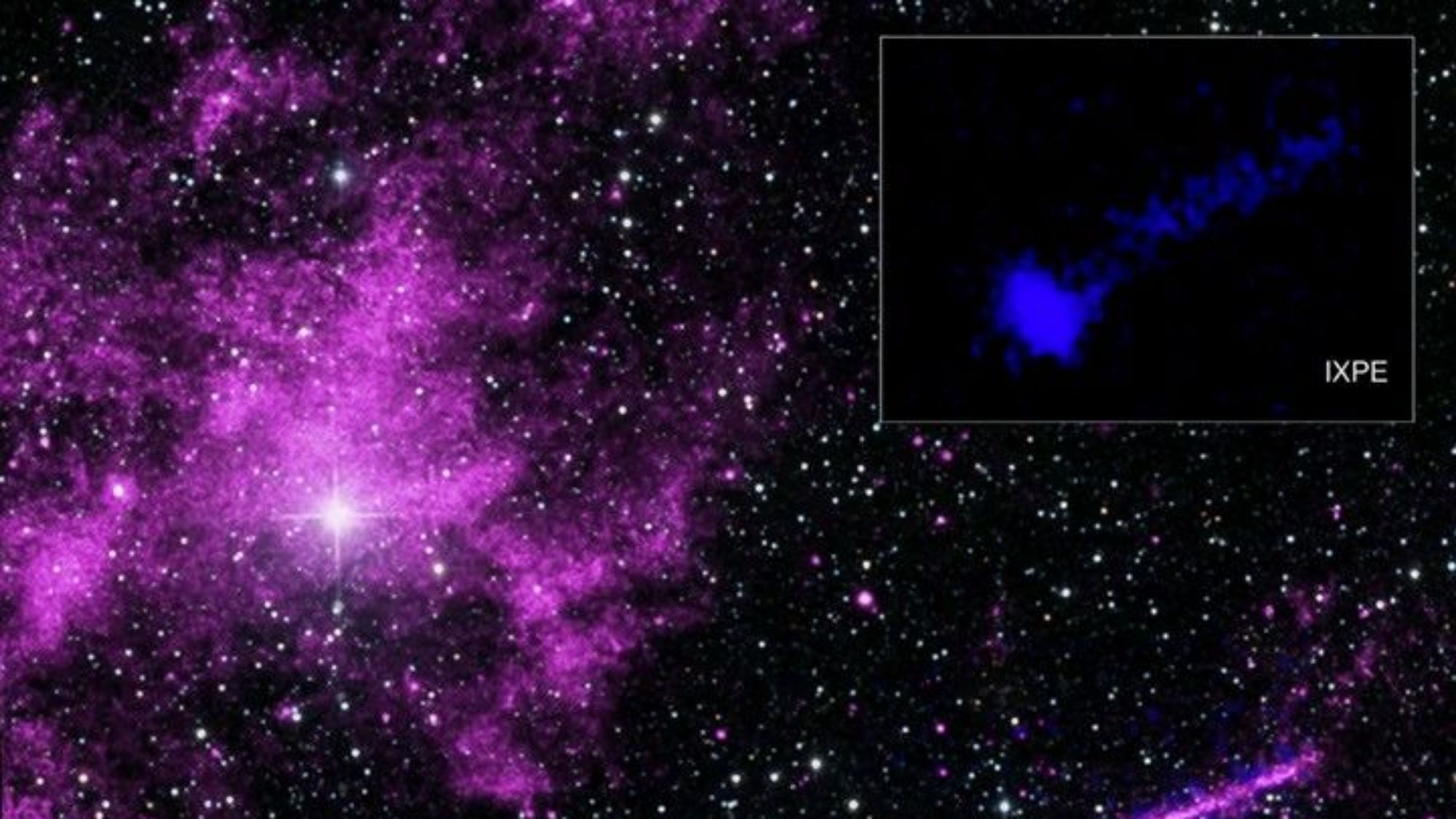
Astronomers used NASA's Imaging X-ray Polarimetry Explorer (IXPE) to directly map the magnetic field around PSR J1101-6101, a rapidly spinning pulsar nicknamed the "Lighthouse," confirming that high-energy particles stream along magnetic field lines extending through the galaxy. The pulsar, located in the Lighthouse Nebula, spins 16 times per second and leaves behind a bright X-ray tail as it travels through interstellar gas. By measuring X-ray polarization -- the orientation of light's electric fields -- the team confirmed a long-standing theory that the pulsar's energetic electrons escape along the Milky Way's magnetic field structure. The observations revealed an unexpected finding: the magnetic field is far more orderly than current models predicted, with significantly less turbulence in the filament than scientists anticipated. This suggests particles of different energies occupy distinct regions within the system, pointing to multiple acceleration mechanisms at work. The research, published July 9 in The Astrophysical Journal, required new analysis techniques to extract maximum information from the relatively faint X-ray source and provides new insight into how fast-moving pulsars inject energetic particles into the surrounding galaxy.

Starship Flight 13 to deploy first Starlink V3 satellites on July 16
Satellite Ops1 min

Starship Flight 13 to deploy first Starlink V3 satellites on July 16

SpaceX's Starship Flight 13 is scheduled to launch July 16 at 6:45 p.m. EDT from Starbase in South Texas, marking the first deployment of 20 Starlink Version 3 satellites. The mission comes after a nearly two-month pause following Flight 12's booster loss in June; the FAA cleared SpaceX to resume operations after reviewing the anomaly and the company's corrective actions. Flight 13 will repeat the primary objectives of Flight 12 while introducing the upgraded satellite payload, with the Super Heavy booster attempting a controlled splashdown in the Gulf of Mexico rather than a tower catch. All 33 Raptor 3 engines will ignite for liftoff, generating 18 million pounds of thrust. After stage separation at 2.5 minutes, Starship will deploy the 20 Starlink V3 satellites, which are designed to test payload deployment and will intentionally reenter rather than remain in orbit. The upper stage will continue on a suborbital trajectory, collecting data on heat shield performance and flight controls before splashing down in the Indian Ocean roughly an hour after launch. SpaceX continues testing upgrades to propulsion, avionics, and overall vehicle performance as it works toward making Starship an operational launch vehicle.

Study warns lunar lander exhaust could contaminate ancient moon ice
Satellite Ops1 min

Study warns lunar lander exhaust could contaminate ancient moon ice

A new study warns that methane exhaust from lunar landers could contaminate ancient ice deposits near the moon's poles, potentially destroying evidence of prebiotic molecules that may have sparked life on Earth. Researchers at the European Space Agency and Instituto Superior Técnico simulated how methane from planned Artemis missions would spread across the lunar surface, finding the substance reaches the moon's polar regions in days and accumulates in the same cold areas where billions-year-old ice sits preserved. The contamination could destroy a uniquely intact molecular record that no longer exists on Earth due to billions of years of geological change. Computer models showed that over half of methane expelled during a south pole landing gets trapped in polar ice within one lunar week, with 42% concentrating at the south pole itself. The moon's lack of atmosphere allows the methane to spread ballistically across the surface at speeds that would be impossible on Earth. The study suggests selecting colder landing sites might reduce methane spread, though researchers emphasize the need for additional simulations to identify other potential contaminants and develop lunar landing protocols that balance exploration goals with scientific preservation.

U.K. space strategy coming within weeks, focused on security and growth
LEO Services1 min

U.K. space strategy coming within weeks, focused on security and growth

The U.K. government is finalizing a new space strategy set for release in the coming weeks that will coordinate civil, commercial, and national security space activities around two core goals: economic growth and national security. Rebecca Evernden, director of the U.K. Space Agency, outlined the approach at the Spacetide conference in Tokyo, identifying four focus areas: satellite communications, launch, space domain awareness and sustainability, and in-space servicing and manufacturing. The strategy consolidates guidance across government agencies following the U.K. Space Agency's integration into the Department for Science, Innovation and Technology in April. The U.K. has already committed significant funding to space priorities. The Ministry of Defence announced in June a Defence Investment Plan allocating 2.3 billion pounds for satellite communications and 880 million pounds for space-based intelligence, surveillance, and reconnaissance through 2030, with an additional 9 billion pounds earmarked for defense systems from 2030 to 2035. Evernden emphasized the importance of international partnerships, naming the European Space Agency, the United States, and Japan as priority partners. She also highlighted growing commercial success, noting that Tokyo-based Astroscale expanded its U.K. office from five to nearly 200 employees after targeting the country for its focus on space sustainability and debris removal.

Flexell Space secures $20 million Series A for space solar cell development
LEO Services1 min

Flexell Space secures $20 million Series A for space solar cell development

Flexell Space, a South Korean developer of next-generation space solar technology, closed a $20 million Series A funding round led by Korean institutional investors including Mirae Asset, Industrial Bank of Korea, and Korea Investment & Securities. The company, spun off from Hanwha Systems two years ago, has now raised roughly $25 million total and plans to use the capital for manufacturing scale-up, in-orbit demonstrations, and commercialization of flexible solar cells based on perovskite and CIGS technologies that offer lower weight and better radiation resistance than conventional space solar options. The funding comes alongside a $7.1 million five-year government R&D project focused on tandem solar modules for space applications. Flexell is conducting radiation and thermal testing while pursuing partnerships with satellite makers and defense contractors; the company targets full-scale production by 2028 and aims to supply solar cells and arrays for communications satellites, space stations, orbital data centers, and lunar/Mars missions.

European government space spending rises 12% as defense budgets drive growth
LEO Services1 min

European government space spending rises 12% as defense budgets drive growth

European government space spending rose 12% to 13.5 billion euros in 2025, according to an ESA report released July 13, reversing a 3% global decline driven by rising defense budgets. The U.S. still dominated at 58% of global government space spending, with China second at 15% and Europe third at 11%. ESA projects budgets will jump over 20% in 2026 as defense programs expand, particularly Germany's 35 billion euro space security commitment through 2030 and France's 4.2 billion euro military space investment through 2040. Europe's space industry faces structural disadvantages despite government demand growth. European customers control 67% of the accessible European market but show no preference for domestic suppliers, whereas U.S. and Chinese primes benefit from captive procurement policies. ESA estimates European companies are locked out of over 80% of the 75 billion euro global launch and satellite manufacturing market due to foreign government preferences and vertically integrated constellations like Starlink. Private space investment in Europe declined 8% to 1.4 billion euros in 2025 while global investment surged 60% to 11.7 billion euros, widening the gap further.

L3Harris, Sierra Space win $1.75B for 36 missile-tracking satellites
LEO Services1 min

L3Harris, Sierra Space win $1.75B for 36 missile-tracking satellites

The Space Force's Space Development Agency awarded $1.75 billion in contracts to L3Harris Technologies and Sierra Space on July 13 to build 36 missiles warning and tracking satellites for the Tracking Layer of its Proliferated Warfighter Space Architecture constellation. L3Harris will build 18 satellites equipped with sensors similar to the Hypersonic and Ballistic Tracking Space Sensor for $955 million, while Sierra Space will build 18 for $798 million. The satellites are due for launch availability by end of 2028 and will expand the Pentagon's network of low Earth orbit spacecraft designed to detect, track, and defend against ballistic and hypersonic missile threats. Both contractors are already part of the Tracking Layer program across multiple tranches. L3Harris has delivered four satellites in orbit and won contracts for 50 additional spacecraft across earlier tranches, bringing its total to 72. Sierra Space joined as a prime contractor in Tranche 2 with an initial 18-satellite award and now holds contracts for 36 total. The new satellites will operate through a common ground system and maintain interoperability with existing Tracking Layer spacecraft.

Poland to host ESA's first eastern European center focused on civil security
LEO Services1 min

Poland to host ESA's first eastern European center focused on civil security

Poland will host the first ESA center in an eastern flank member state, focused on civil security and resilience. Polish Prime Minister Donald Tusk and ESA Director General Josef Aschbacher announced the facility July 13 in Warsaw. The center represents ESA's first presence in eastern Europe and reflects Poland's growing role in the continent's space sector, though officials did not specify an opening date. Poland is substantially increasing its space investments to support the initiative. The country committed 51 million euros to ESA for 2023-2025 and plans 731 million euros for 2026-2028, with 550 million euros directed to optional programs including satellite services and robotics development. The Polish government will also establish a 500-million-zloty ($132 million) fund for domestic space companies. ESA said it will begin pre-operational activities from 2027 as preparations continue for the center's gradual development.

Falcon 9 booster B1080 reaches 28 flights in Starlink 10-45 launch
Launches1 min

Falcon 9 booster B1080 reaches 28 flights in Starlink 10-45 launch

SpaceX launched its Starlink 10-45 mission from Cape Canaveral Space Force Station on Tuesday at 5:10 a.m. EDT, marking the 600th flight of a reused Falcon 9 booster. The flight-proven first stage, tail number B1080, completed its 28th flight while deploying 29 broadband satellites to the company's constellation, which now exceeds 10,800 spacecraft in low Earth orbit. The booster landed on the droneship 'A Shortfall of Gravitas' in the Atlantic Ocean about 8.5 minutes after liftoff. B1080 has previously flown missions for Axiom Space crew flights, the European Space Agency's Euclid observatory, and Northrop Grumman. The landing marked the 161st recovery on that droneship and the 638th total booster landing for SpaceX. Weather forecasters expected 90 percent favorable conditions at the window's opening, rising to 95 percent later, with only minor concern about lingering clouds triggering lightning.

Soyuz MS-29 launches three to ISS on Tuesday with NASA astronaut Menon aboard
Satellite Ops1 min

Soyuz MS-29 launches three to ISS on Tuesday with NASA astronaut Menon aboard

NASA astronaut Anil Menon and Russian cosmonauts Pyotr Dubrov and Anna Kikina launched toward the International Space Station aboard Soyuz MS-29 on July 14, lifting off from Baikonur Cosmodrome in Kazakhstan. The crew docked with the ISS after two orbits, joining seven astronauts already aboard the station. Menon's first spaceflight carries research significance, as he will conduct experiments in semiconductor crystal production and test ultrasound techniques using augmented reality and AI that could reduce medical dependency on Earth during future missions. The trio will remain on the ISS for approximately eight months. Menon, selected as a NASA astronaut candidate in December 2021, is a former SpaceX flight surgeon. Dubrov and Kikina are both returning to the station for their second missions; Kikina notably flew to the ISS in 2022 aboard SpaceX's Crew-5, making her the first Russian cosmonaut to fly on an American spacecraft since December 2002.

Artemis III solid rocket booster segment arrives at Kennedy Space Center for 2027 mission
Satellite Ops1 min

Artemis III solid rocket booster segment arrives at Kennedy Space Center for 2027 mission

NASA has begun stacking components for the Artemis III Space Launch System rocket at Kennedy Space Center, with the arrival this week of one of two solid rocket booster segments to the Vehicle Assembly Building. The Artemis III mission targets a mid-to-late 2027 launch and will carry four astronauts to low Earth orbit aboard the Orion spacecraft, where they'll test rendezvous and docking procedures with prototype lunar landers from Blue Origin and SpaceX. These test flights are preparation for crewed lunar landings planned for the Artemis IV mission in late 2028. Each solid rocket booster stands 177 feet tall and generates 3.6 million pounds of thrust combined, providing over 75% of the SLS rocket's power at liftoff. The Artemis III core stage arrived at the VAB in May without its engine section, which will be attached before other major components are stacked. NASA expects to complete a wet dress rehearsal before year's end. The assembly process took roughly one year for Artemis II, giving the Artemis III team a similar timeline as additional booster segments and hardware continue arriving at the facility.