
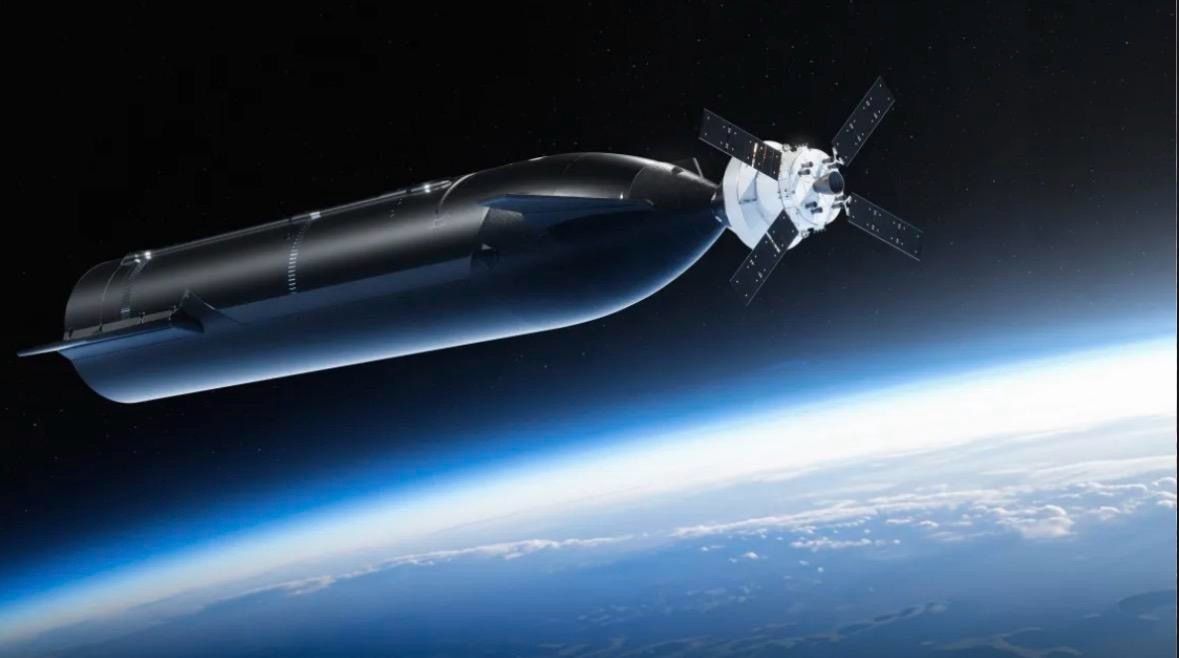
NASA is preparing Artemis III, scheduled for next year, as a test flight that will achieve multiple firsts for the agency: a crewed rendezvous and docking with two separate crew-capable spacecraft in orbit. The mission will launch four astronauts aboard Orion on the Space Launch System rocket, where the capsule will dock separately with SpaceX's Starship and Blue Origin's Blue Moon lunar landers over roughly two weeks. Only one prior human spaceflight mission -- Soyuz T-15 in 1986 -- has accomplished crewed rendezvous with multiple crew-capable spacecraft. Artemis III serves as a precursor to the crewed lunar landing planned for Artemis IV in 2028.
The mission demands extraordinary coordination across multiple launch sites. Blue Moon will lift off first on Blue Origin's New Glenn rocket from Cape Canaveral Space Force Station, and can remain in orbit for up to 30 days, giving teams time to verify its condition before committing the crew. The SLS will then launch Orion from Kennedy Space Center, and the two spacecraft will spend about two days docked together. Starship will launch last from one of SpaceX's Florida pads, docking with Orion for roughly one day before the crew returns to Earth via parachute splashdown in the Pacific.
Neither lander will be in its final, landing-capable configuration during Artemis III. Blue Origin will fly the Blue Moon Mark 2, a stepped-up design from its smaller Mark 1 cargo variant, which experienced schedule delays after a New Glenn engine test explosion in May at the launch pad. SpaceX will launch Starship in its Version 3 configuration without a crew cabin for astronauts to enter; instead, the test will focus on communications and maneuvering between Orion and Starship. Both landers need to demonstrate fuel transfer and storage capabilities in space before crewed lunar landings can proceed.
The mission represents one of NASA's most complex undertakings, requiring cross-agency and commercial coordination on range availability, resource constraints, and launch infrastructure. Success on Artemis III would clear the path for Artemis IV's lunar landing, currently targeted for 2028. Successful uncrewed demonstration missions at the moon by both SpaceX and Blue Origin beforehand remain critical milestones that NASA has identified as