
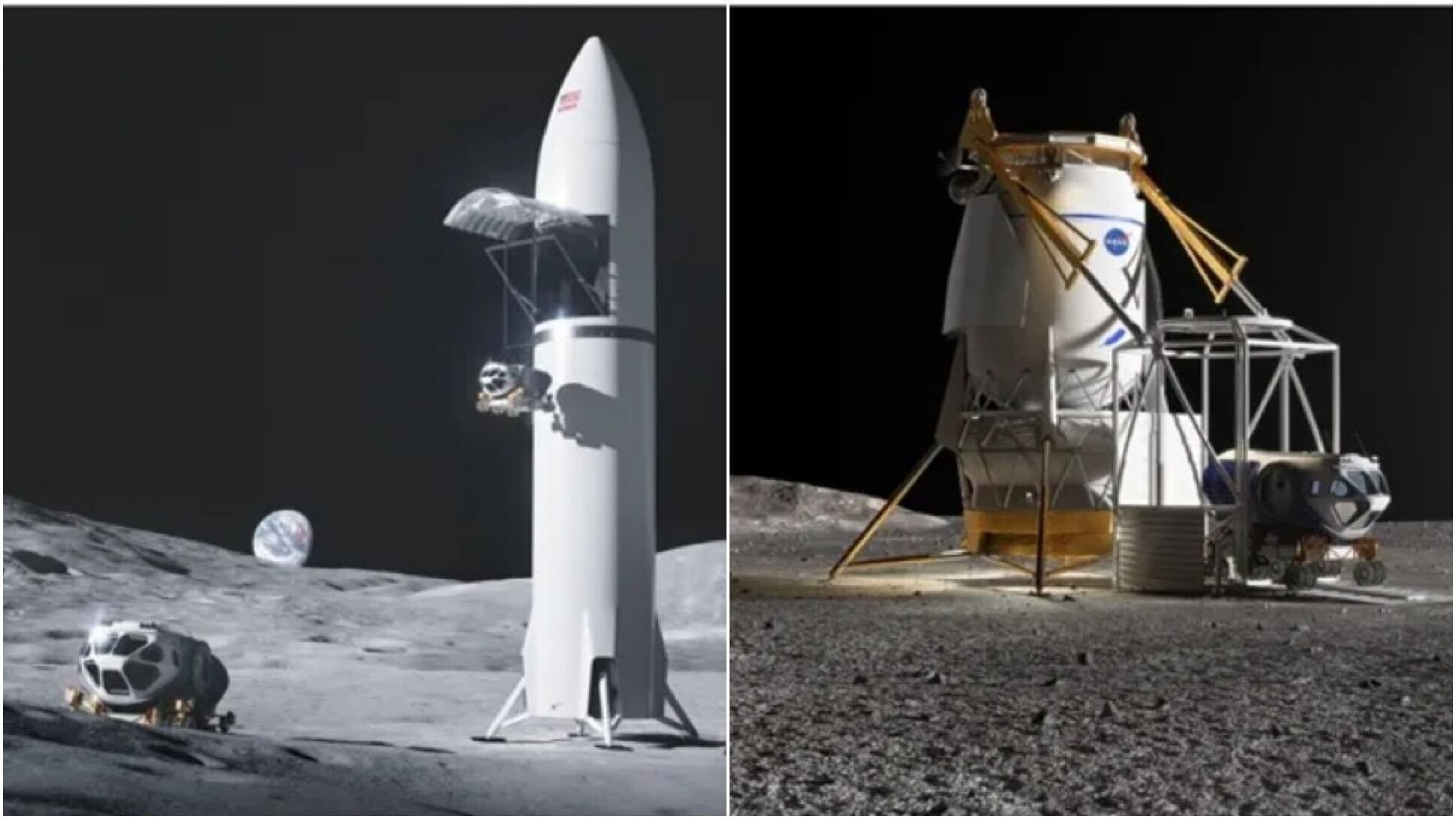
Artemis II pilot Victor Glover is questioning NASA's commitment to landing astronauts at the moon's south pole, proposing instead that early missions target the lunar equator. Speaking at NASA's Exploration Science Forum in July, Glover argued for a staged approach that prioritizes safer, faster access to the lunar surface before attempting the more challenging south pole landings. His reasoning centers on crew safety, mission feasibility, and the practical constraints of the orbital mechanics required for polar operations.
The south pole has been NASA's target because permanently shadowed craters there contain abundant water ice -- a resource essential for producing drinking water, radiation shielding, and rocket fuel for a sustainable lunar base. However, the near-rectilinear halo orbit (NRHO) needed to support south pole landings creates significant operational challenges. The orbit's elliptical shape limits launch windows back to orbiting Orion to just once per week, meaning an astronaut requiring medical evacuation could be stranded for days. Glover highlighted this risk directly: an equatorial landing would allow abort opportunities nearly any time, versus waiting days from NRHO.
SpaceX has already signaled agreement with this approach. During a June event detailing Artemis IV plans, SpaceX's Jessica Jensen described an updated mission architecture where Starship docks with Orion in Earth orbit rather than NRHO, then performs translunar injection. This change reduces propellant requirements for Starship, lowers schedule risk, and improves crew safety. NASA may be quietly shifting Artemis IV's landing site to higher latitudes as well, per Space News reporting.
The debate reflects real pressure on the Artemis timeline. Artemis III launches next year for rendezvous tests with SpaceX's Starship and Blue Origin's Blue Moon landers; the first actual moon landing targets late 2028 on Artemis IV. Both commercial landers face delays that have raised readiness questions. Meanwhile, China is advancing rapidly on its own lunar program and aims for crewed landings by 2030 -- adding geopolitical urgency to whether the U.S. prioritizes speed or the strategic goal of reaching the south pole first.