
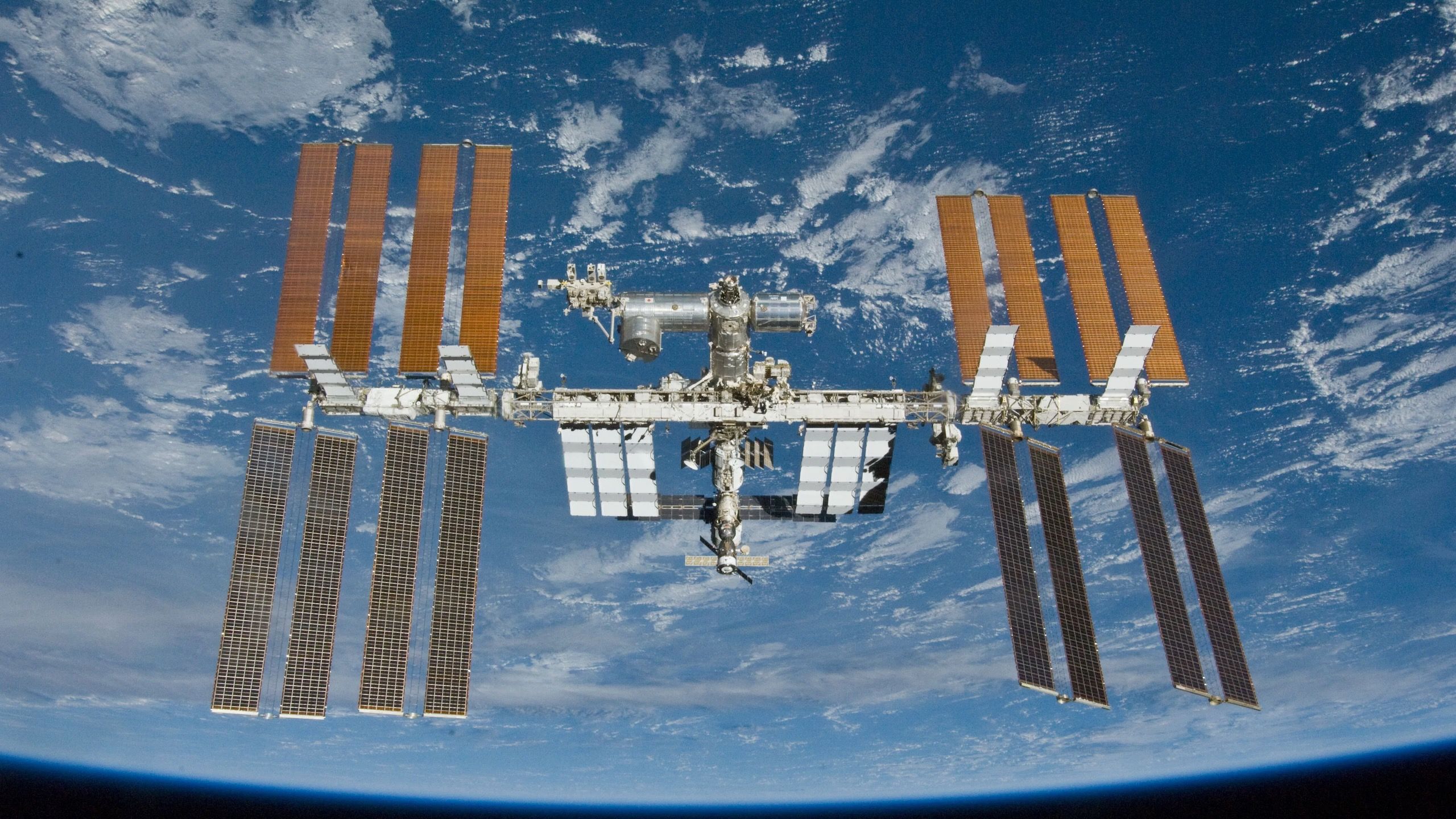
Auxilium Biotechnologies successfully bioprinted kidney and liver tissue aboard the International Space Station in June using its AMP-1 orbital bioprinter, marking the first time multiple tissue types have been produced in space. The company, working with designs from Wake Forest Institute for Regenerative Medicine, also created 28 nerve repair implants during the mission. The bioprinted materials returned to Earth on a SpaceX Dragon capsule that splashed down on June 17.
While bioprinting experiments have occurred on the ISS before -- including a 2018 Russian test that produced cartilage tissue -- AMP-1 is the first system to manufacture both kidney and liver tissue in orbit. Auxilium says the uniform cell distribution achieved in microgravity points toward commercial viability for in-space biomanufacturing of medical devices and tissues, a capability the company plans to scale toward routine orbital production operations.