
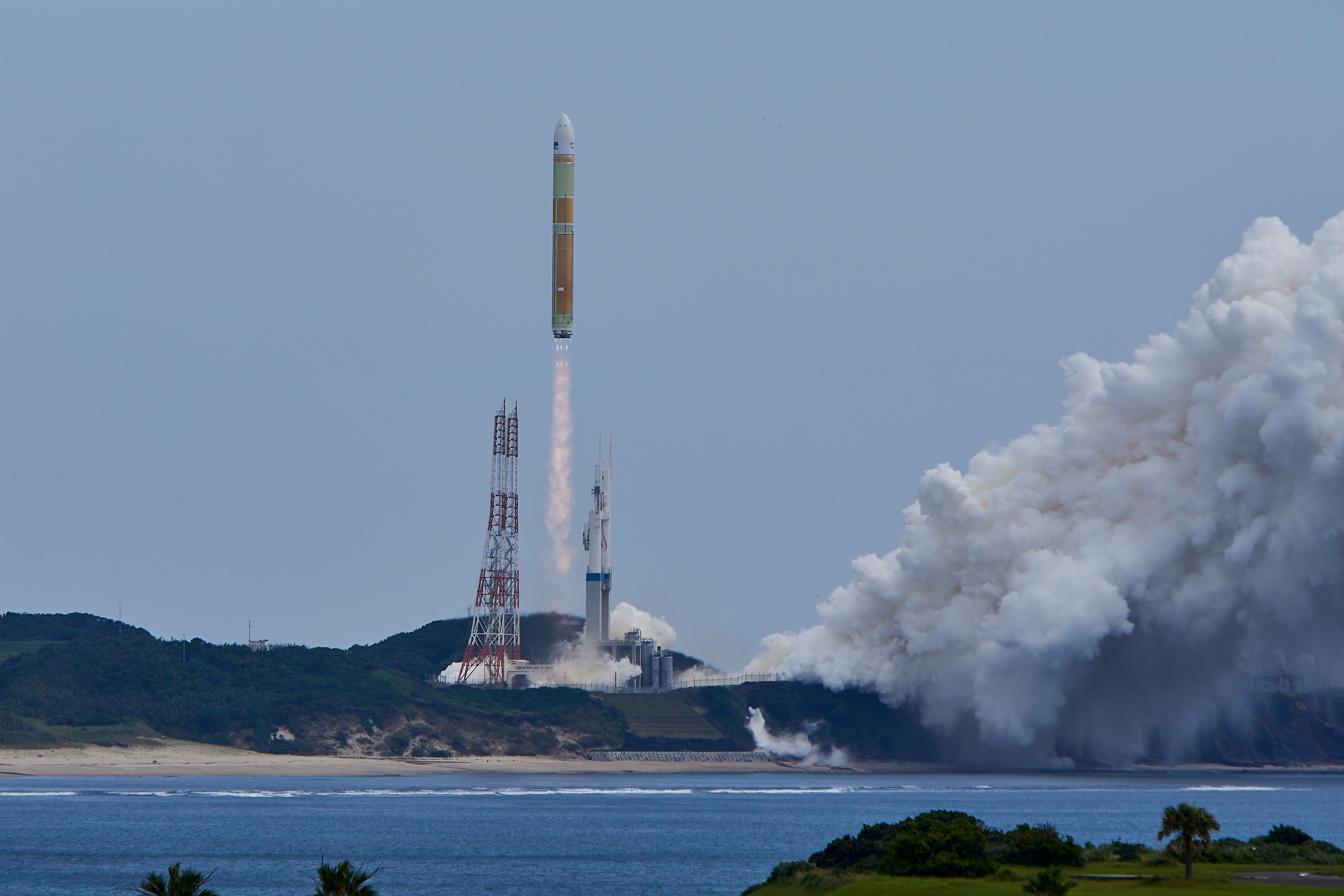
Japan's government has set a target of 30 orbital launches per year by the early 2030s, a significant increase from the two launches conducted so far this year. Officials presented the goal at the Spacetide conference in Tokyo, linking it to plans for increasing the domestic launch rate from 50% to 60-70% of Japanese satellites. The ambition faces immediate challenges: the H3 rocket achieved a return-to-flight test in June after a failed December launch, while Space One's Kairos small-lift vehicle has failed all three of its orbital attempts, though the company says it will continue launching.
Reaching 30 launches annually will require investment across Japan's supply chain and support from both the government and private sector, according to Space One executives and government officials at the conference. The plan includes hosting foreign launch providers at facilities like the Hokkaido spaceport under development by Space Cotan, where Firefly Aerospace recently agreed to study operations for its Alpha rocket. Japanese government officials indicated they would pursue regulatory reforms to streamline licensing and licensing processes to enable higher launch rates, while positioning the government as an anchor tenant for commercial launch services similar to NASA's approach with cargo and crew missions.