
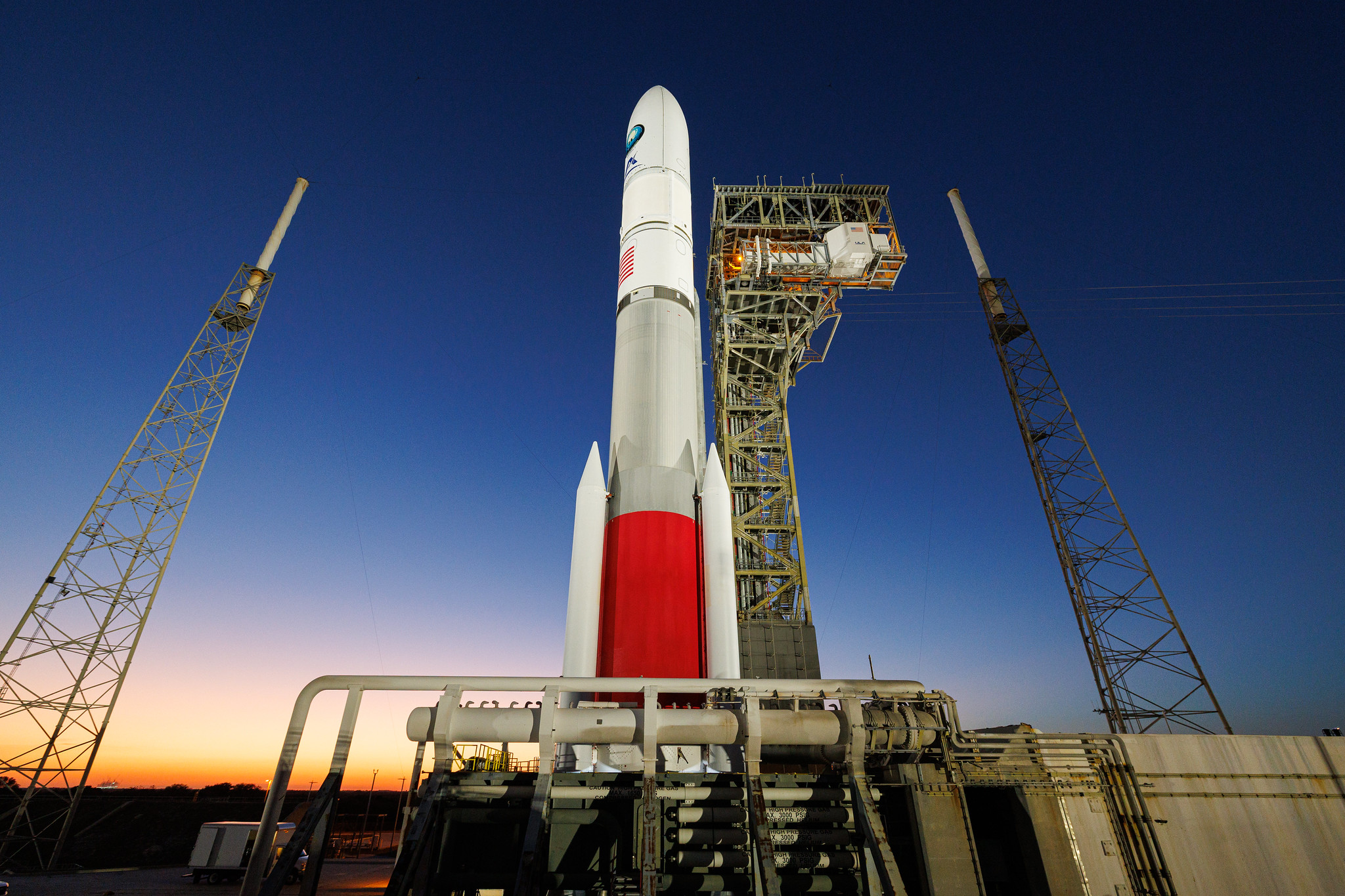
United Launch Alliance secured a loan backed by a $500 million guarantee from Lockheed Martin, addressing financial pressure from the grounding of its Vulcan Centaur rocket. The guarantee, disclosed in Lockheed's second-quarter SEC filing, reflects the company's struggle to manage cash flow after a solid rocket booster anomaly forced ULA to halt Vulcan launches in February. The booster nozzle defect occurred on two separate flights and has triggered a joint investigation with Northrop Grumman, the motor manufacturer, that has extended months beyond the initial incident.
ULA planned to fly 18 to 22 times in 2026, with up to 18 Vulcan launches making up the bulk of that cadence. The booster anomaly knocked out those ambitions: Vulcan has not flown since the USSF-87 mission on February 23, while Atlas 5 has completed only three launches this year, all carrying Amazon satellites. The company entered the year expecting to dramatically ramp production and launch frequency after three Vulcan flights in 2025, but the investigation has absorbed resources and blocked operations for months.
Northrop Grumman redesigned components in the motor, completing a static-fire test in July, but told investors the company may not deliver redesigned motors until year-end. The Space Force mulled moving forward missions that do not require solid rocket boosters to accelerate some launches, but has not announced specific changes since April. ULA has not given a target date for resuming Vulcan flights. Lockheed cut its space division profit forecast by roughly $50 million for 2026 due to reduced earnings from ULA, citing the investigation's impact.
Despite the setback, ULA and Lockheed expect stronger performance in the second half of 2026 and remain publicly confident in Vulcan's long-term prospects. ULA holds a backlog exceeding 80 launches and both parent companies have committed to continued financial support. Boeing, the other 50% owner, has not publicly confirmed its contribution to the guarantee, though industry sources expect it to have participated in the loan backing.