
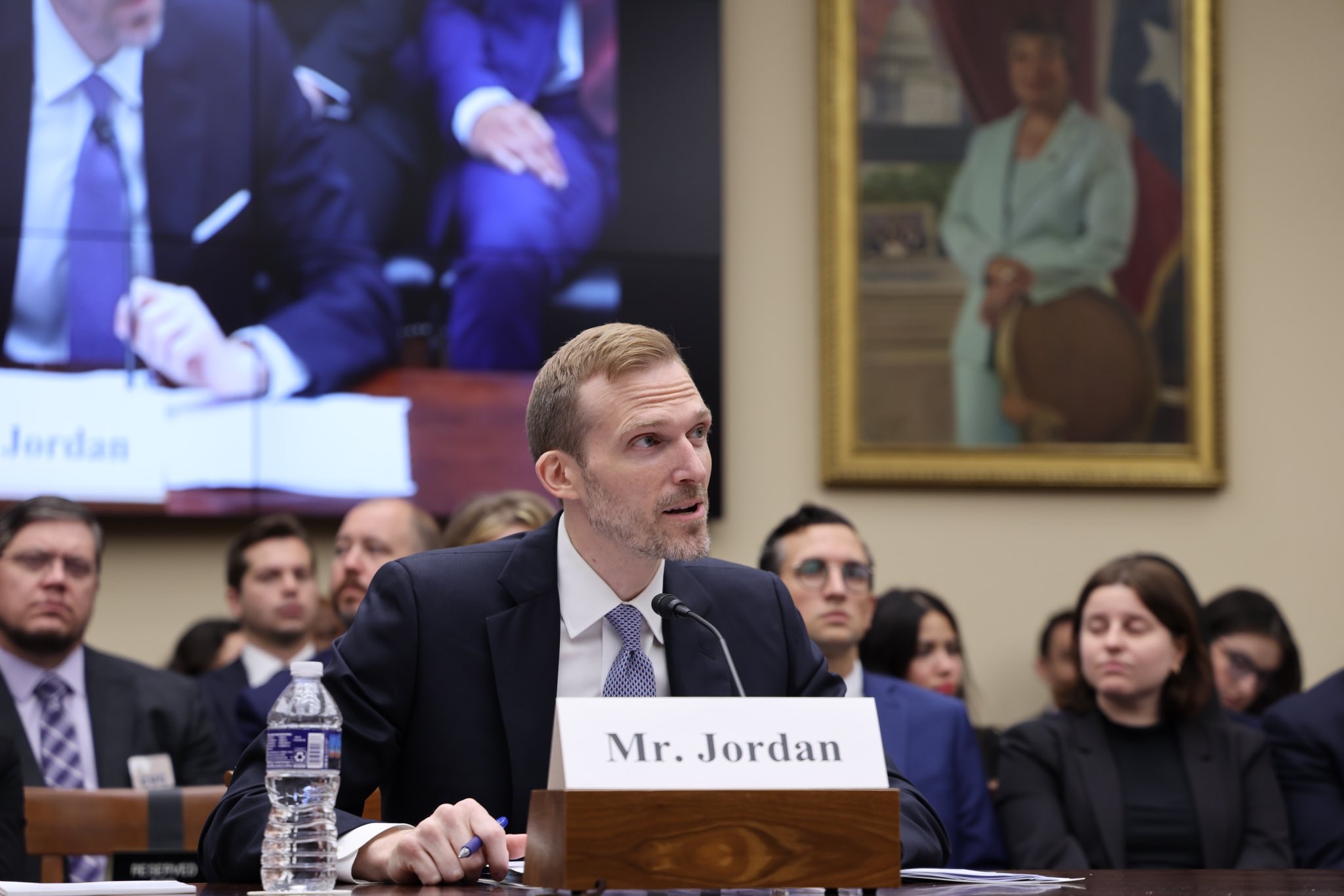
The Office of Space Commerce defended its proposal for a mission authorization scheme at a House hearing, arguing it would provide regulatory certainty for companies pursuing novel space activities like satellite servicing and commercial space stations that currently fall outside existing licensing frameworks. Taylor Jordan, the office's director, told the House Science Committee's space subcommittee in July that companies need a clear path through regulations, saying the current regime traps industry "in an endless maze." The proposal would create a voluntary "Space Commerce Certification" allowing companies to demonstrate compliance with laws and treaties, with the office serving as a centralized entry point that coordinates reviews across agencies like the FAA and FCC.
The certification would streamline overlapping regulatory requirements by allowing a single application to satisfy portions of multiple agency obligations. Companies could use the certification to help meet payload review requirements for FAA launch licenses or orbital debris mitigation plans for FCC licenses. Jordan said his office would initially focus on testing the system with mature technologies and near-term missions. The proposal awaits White House approval but has support from the agencies that would participate in interagency reviews.
Subcommittee members expressed broad agreement on the need for clearer regulatory pathways. Rep. Brian Babin noted that the House passed legislation nearly a decade ago including a mission authorization regime, but it stalled in the Senate. Rep. Zoe Lofgren said clarity about regulatory jurisdiction is needed to support commercial space investment. However, uncertainty remains about implementation timelines and how the office will select pilot applications if the White House approves the proposal.
The hearing also surfaced concerns about another office program, the Traffic Coordination System for Space (TraCSS), a civil space situational awareness system meant to replace Space Force collision-warning work for satellite operators. The White House's fiscal 2027 budget proposal included virtually no funding for TraCSS, instead proposing to archive a beta version while exploring alternative funding mechanisms such as user fees. Jordan said the office is working on how the program will move forward and committed to continuing SSA data provision in some form, though the specific path remains uncertain.