
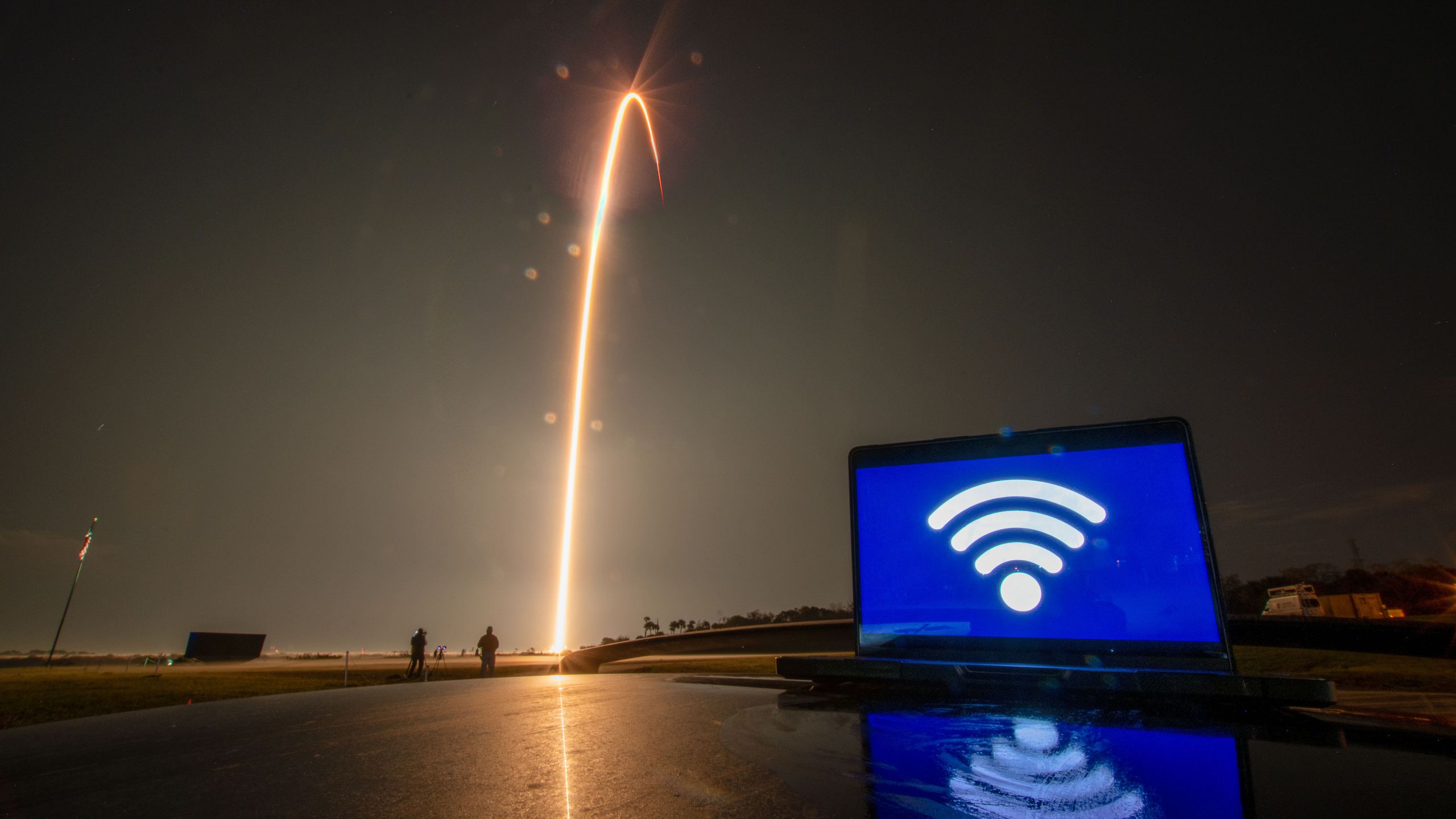
NASA is partnering with SpaceX to install a pair of Starlink mini laser terminals on the Orion spacecraft for Artemis III, scheduled for the second half of 2027. The external panels will augment Orion's existing communications systems and tap into SpaceX's constellation of over 10,000 Starlink satellites to provide significantly greater data capacity to mission control in Houston. The upgrade will enable high-definition live video transmission from orbit, a capability that builds on laser communications NASA demonstrated during the recent Artemis II mission around the moon.
SpaceX's Starlink network operates with over 25,000 lasers in low Earth orbit to maintain network interconnectedness, according to NASA. The company previously demonstrated the constellation's relay potential during the Fram2 mission in 2025 and routinely streams high-definition footage from its Falcon 9 and Starship launches. The Artemis III orbit profile -- operating in LEO rather than deep space -- creates a much simpler communications environment than Artemis II, where NASA needed ground stations at JPL and White Sands to handle data too large for standard radio networks.
Artemis III serves as a test run for Orion's rendezvous and docking procedures with commercial lunar landers, including SpaceX's Starship and Blue Origin's Blue Moon, all in LEO. The mission represents a stepping stone within the broader Artemis program, which aims to return astronauts to the moon and establish a permanent surface presence. NASA has already selected Starship as the lunar lander for Artemis IV, the actual landing mission, targeted for 2028.
The Starlink laser terminals represent a pragmatic integration of existing commercial infrastructure to solve a specific mission need. By leveraging an operational constellation rather than developing dedicated communications hardware, NASA gains proven capability while reducing risk and development burden for the crewed lunar campaign ahead.