
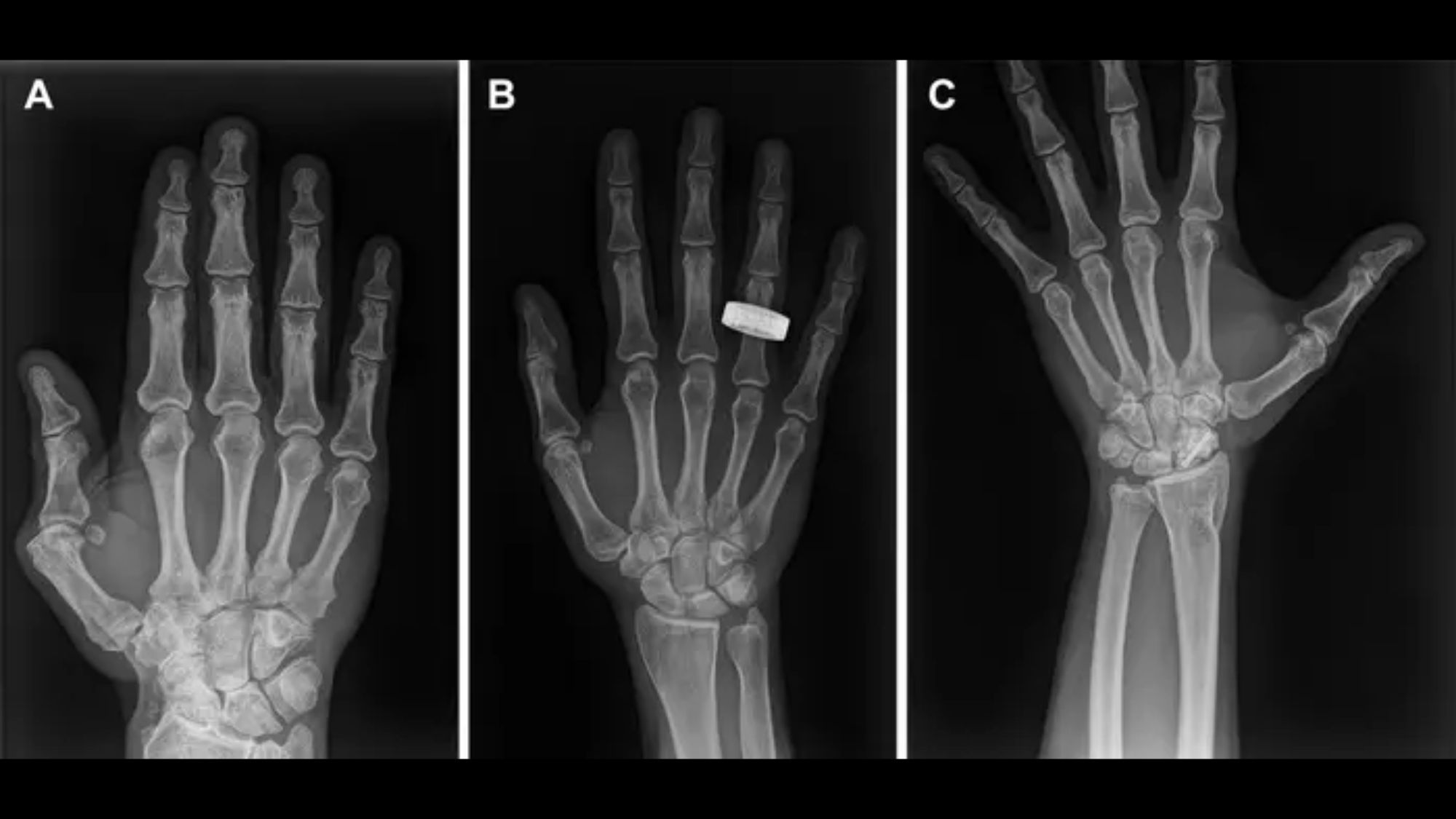
A portable X-ray device successfully operated in orbit for the first time, opening the door to diagnostic imaging for astronauts on lunar missions and beyond. On the March 31 Fram2 mission, four private astronauts with minimal training used an off-the-shelf portable X-ray machine aboard a SpaceX Crew Dragon to image a hand, chest, abdomen, pelvis, and other objects. Three independent medical experts compared the resulting digital images to ground-based X-rays and determined they were good enough to diagnose injuries like broken bones, despite being lower quality than Earth-based versions. The device also survived launch and reentry with only minor exterior damage.
The Fram2 crew received just four hours of training before operating the device, and all reported it was easy to use. The findings, published in Radiology in July, demonstrate that portable X-ray systems can function reliably in microgravity and expand diagnostic capabilities for crew health and hardware inspection. Beyond human medicine, X-rays could inspect spacecraft electronics, spacesuits, and even be mounted on lunar rovers for surface analysis. Sheyna Gifford, an aerospace medicine researcher at Mayo Clinic who led the effort, plans to further miniaturize the systems and improve their durability for future missions. The technology also has earthbound applications for rural clinics and rescue teams in remote areas lacking access to large hospitals.