
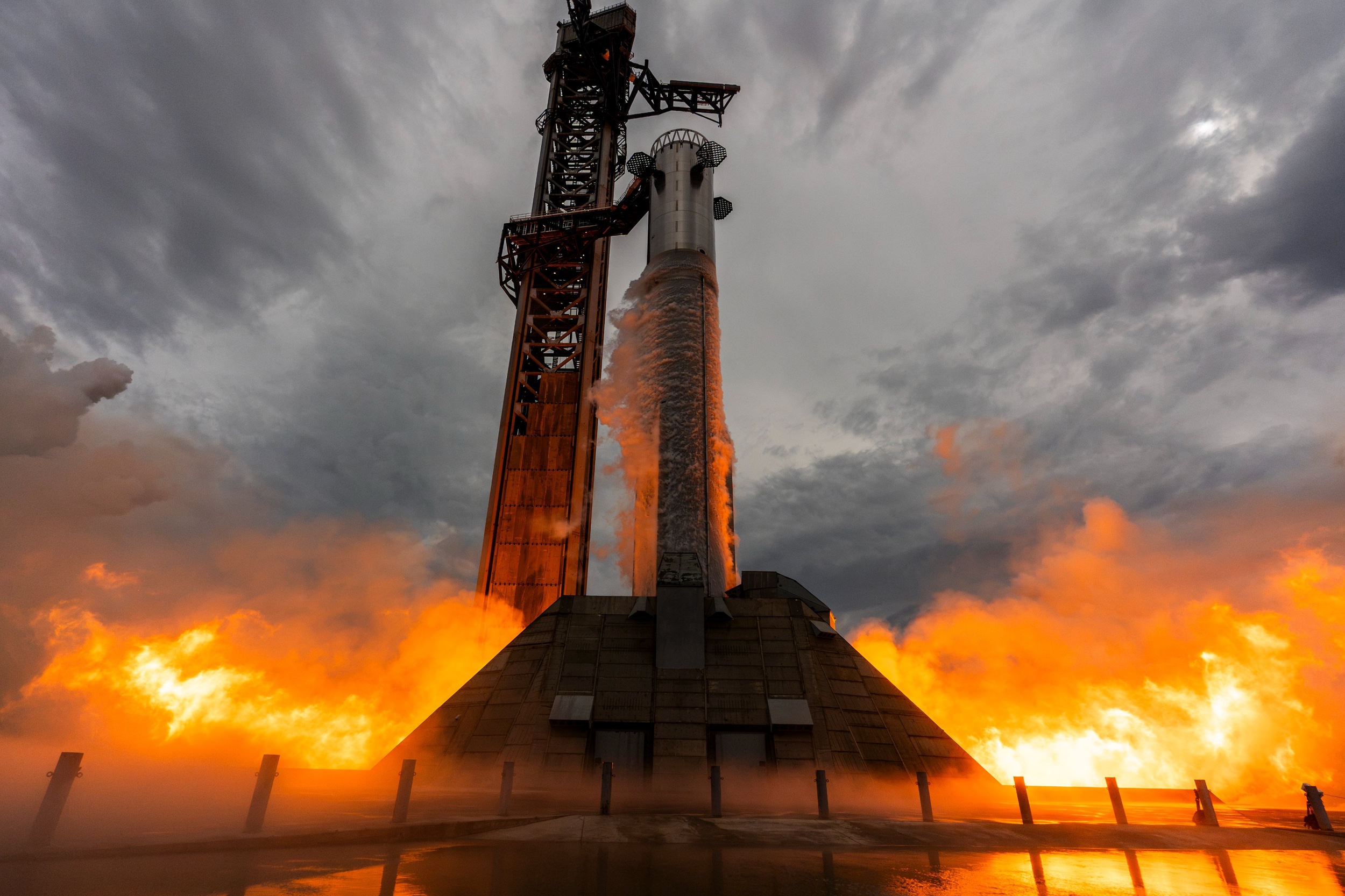
SpaceX plans to launch Starship Flight 13 as soon as July 16 from Starbase, Texas, targeting a 65-minute suborbital flight similar to Flight 12 in May. The mission will test fixes to problems that arose during Flight 12, including a booster engine startup issue that caused the Super Heavy to miss its controlled splashdown in the Gulf of Mexico and several Raptor engine failures during ascent. SpaceX modified the engine startup sequence to improve reliability and added hardware improvements to the booster for Flight 13.
The company will deploy 20 functioning Starlink V3 satellites during this flight, a step up from previous launches that carried mass simulators. The satellites will test deployment of solar arrays and antennas plus inter-satellite communication links with a South African ground station, though they will reenter within minutes since they follow the same suborbital trajectory as Starship. The FAA's mishap investigation into Flight 12's booster failure was still pending as of July 10, but if Flight 13 succeeds, SpaceX may move to its first orbital Starship launch next.