
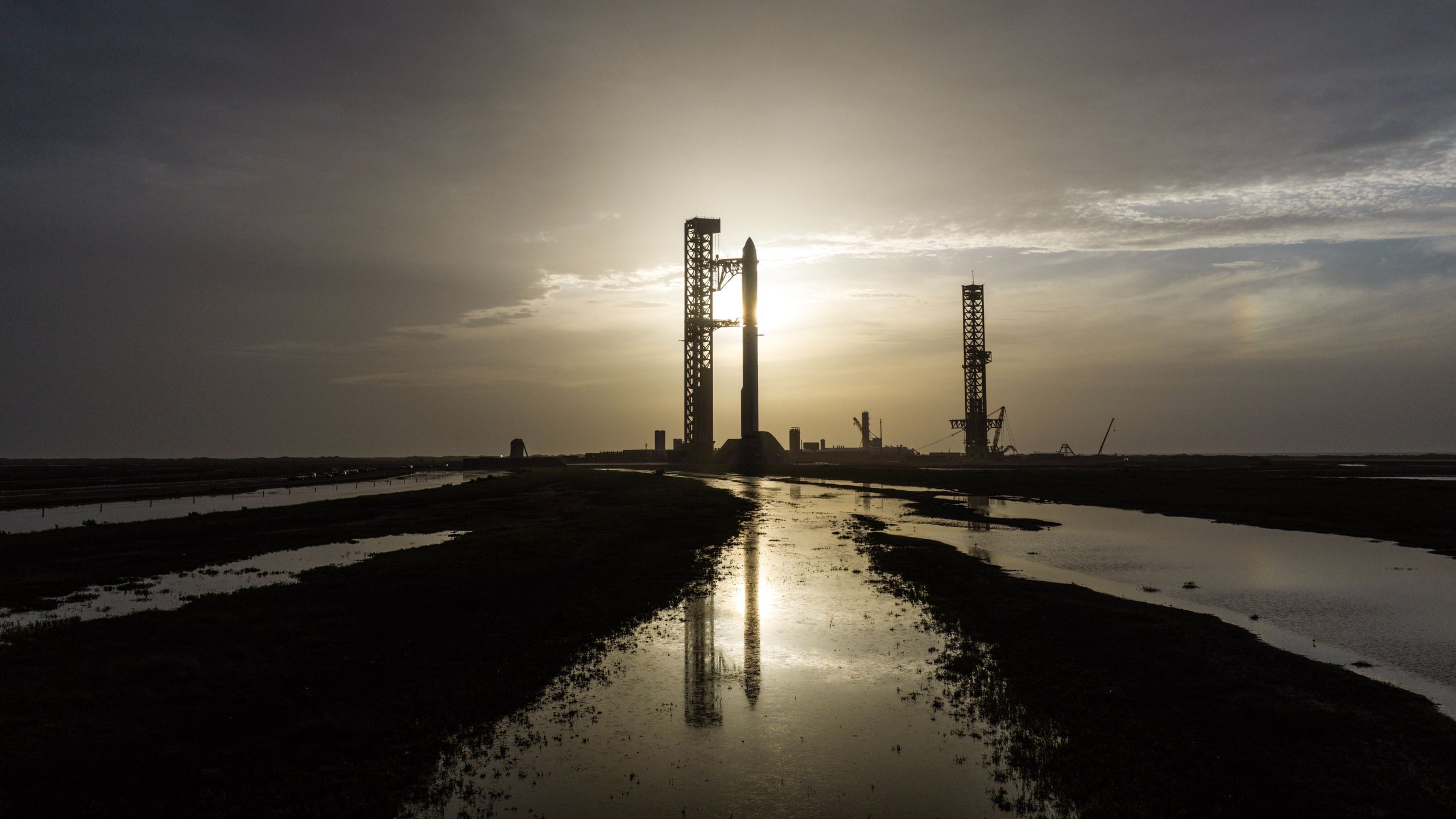
SpaceX will launch Starship Flight 13 on Monday, July 20, from its South Texas Starbase during a 90-minute window opening at 6:45 p.m. EDT. The megarocket, standing over 400 feet tall, will be the second Starship V3 test flight and marks the 13th overall flight of the world's largest and most powerful rocket. Flight 13 focuses on similar objectives to the previous May test -- deploying payloads to suborbital space and recovering both the Super Heavy booster and Ship upper stage -- but with refinements to address hardware and software issues from Flight 12.
The key difference this time: Ship will deploy 20 next-generation Starlink V3 satellites designed to greatly expand network capacity and speeds. Six of those satellites carry cameras to image Ship's heat-shield tiles, feeding data SpaceX needs before attempting its first-ever chopsticks catch of the upper stage. Super Heavy will target a controlled splashdown in the Gulf of Mexico about seven minutes after launch, while Ship aims for the Indian Ocean off Western Australia roughly 65 minutes later. The V3 satellites will demise upon reentry about 20 minutes after deployment.