
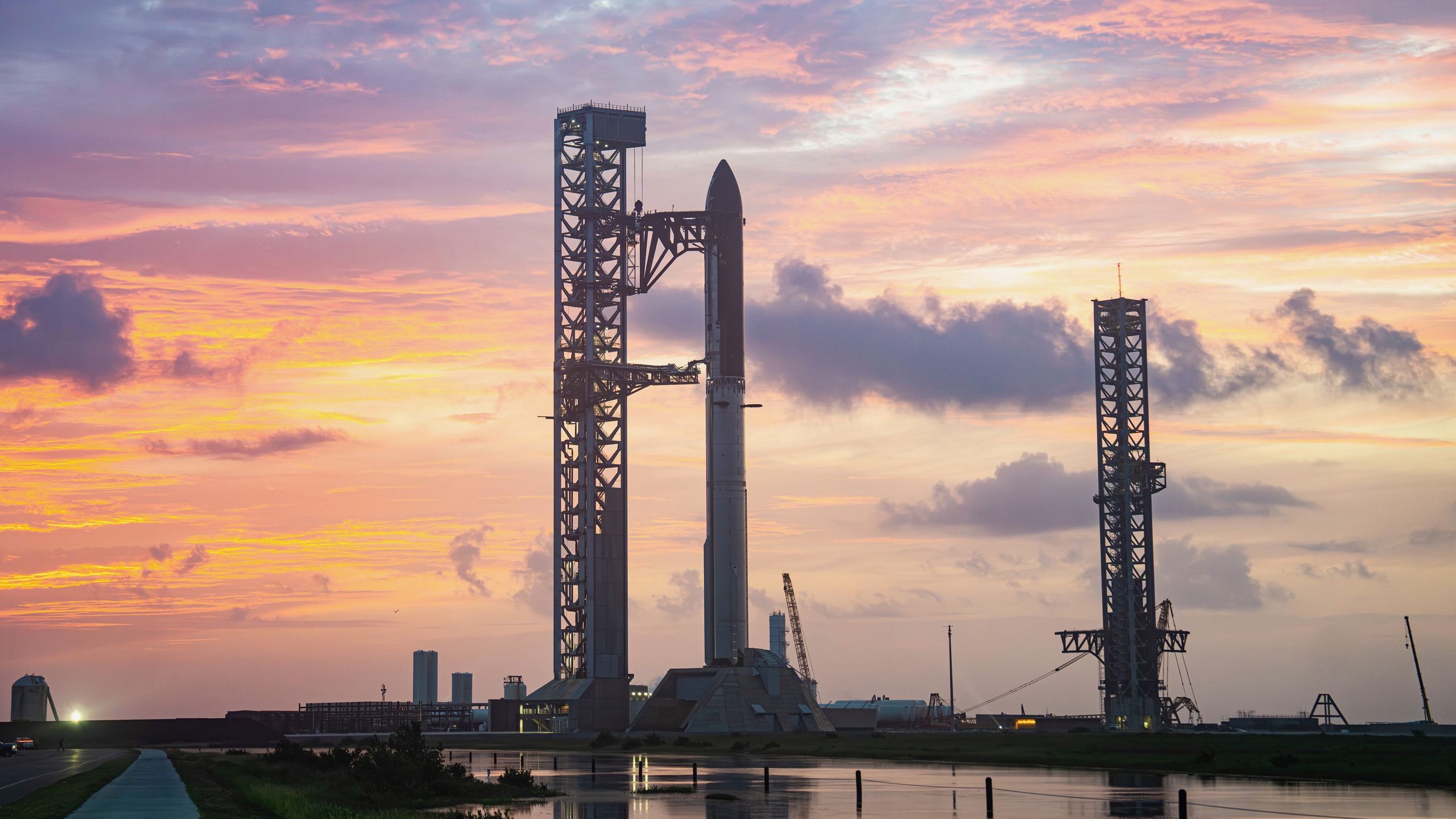
SpaceX is targeting July 23 for Flight 13 of Starship, its fully reusable megarocket, after the first launch attempt on July 16 ended in an abort as the 33 first-stage Raptor engines were igniting. The 408-foot-tall vehicle will lift off from Starbase in South Texas during a 90-minute window opening at 6:45 p.m. EDT. SpaceX removed and replaced two Raptor engines following the abort, and the company had initially targeted July 20 before pushing to no earlier than Thursday, July 23.
Flight 13 will be the second launch of Starship Version 3, the latest iteration designed to land astronauts on the moon for NASA's Artemis program and conduct SpaceX's first Mars missions. The test follows a similar plan to Flight 12 in May: the Super Heavy first stage will attempt a controlled splashdown in the Gulf of Mexico while the Ship upper stage targets the same off Western Australia. Flight 12 achieved the upper-stage objective but Super Heavy experienced engine issues during its return and impacted the Gulf hard.
Flight 13 will conduct new operations during its suborbital trajectory. SpaceX will deploy 20 of its next-generation Starlink V3 internet satellites, which are flying to space for the first time. The company plans to build a constellation of 100,000 Starlink V3 spacecraft in low Earth orbit using Starship for launches. These 20 satellites will not remain in orbit; on a suborbital flight profile, they will return to Earth approximately 20 minutes after deployment.
Starship completed its first flight in April 2023, and all test flights to date have followed suborbital profiles. Flight 13 represents continued progress on the vehicle's development path toward operational crewed and cargo missions to lunar and Martian destinations.