
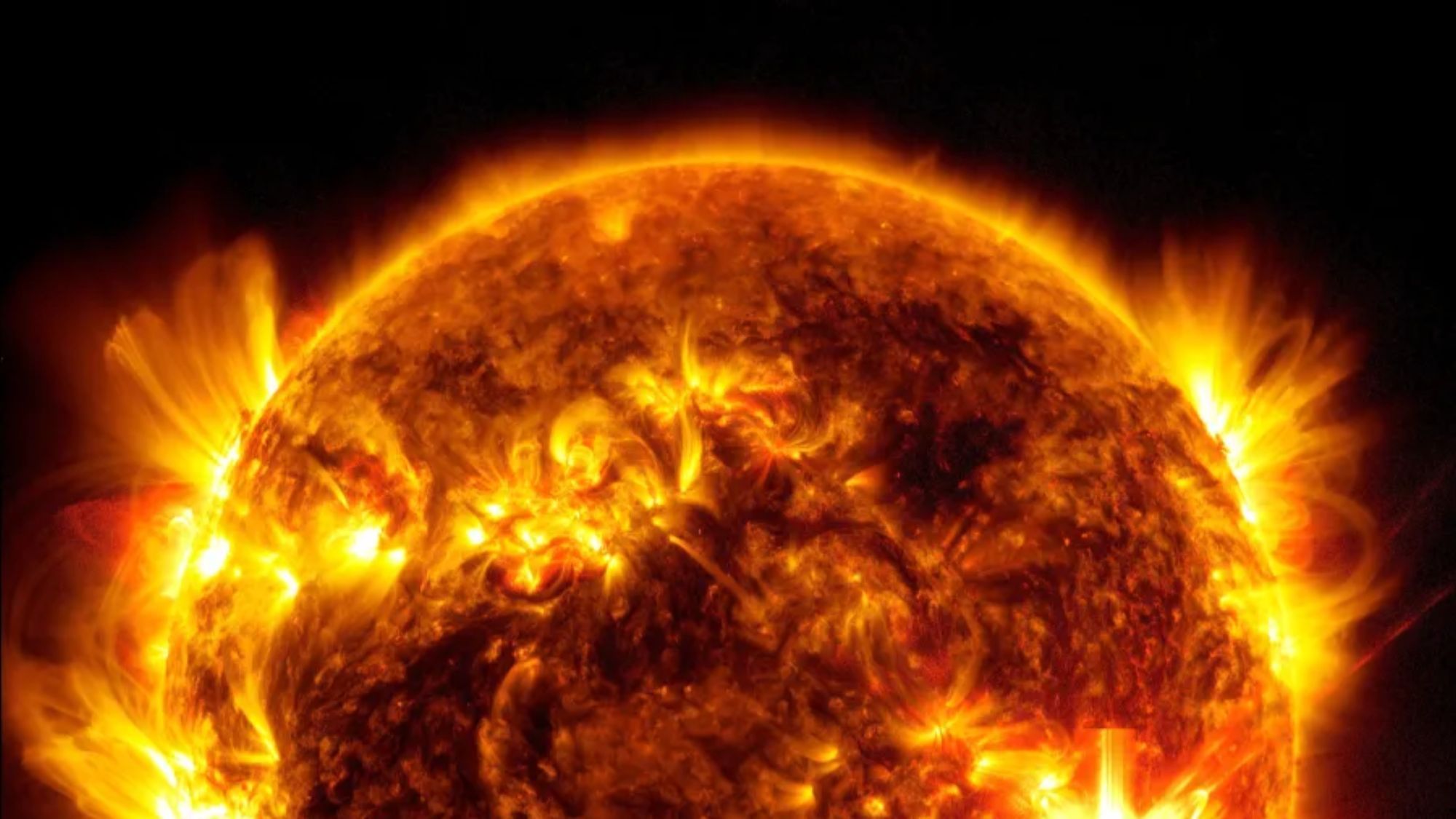
A new study suggests scientists may have underestimated how severely extreme solar storms can affect Earth. Researchers from Lancaster University found that the apparent upper limit on Earth's magnetic response to intense solar wind may result from measurement artifacts rather than a true physical ceiling. If confirmed, the work indicates that rare "once-in-a-thousand-year" geomagnetic storms could pose greater threats to satellites, power grids, and communications systems than current models predict.
The team analyzed over one million solar wind measurements from NASA spacecraft orbiting close to Earth, rather than relying solely on data from the Sun-Earth Lagrange Point 1 (L1), roughly 1 million miles upstream. They found electrical currents in Earth's upper atmosphere continued increasing with stronger solar wind, showing no sign of the previously assumed limit. The findings, published in Nature on July 15, arrive as the sun approaches the peak of its 11-year cycle, with geomagnetic storms already occurring more frequently -- including a strong event in May 2024 that disrupted high-frequency radio and GPS systems.